
 1 day ago
4
1 day ago
4
ARTICLE AD BOX
Last Updated:March 28, 2026, 20:20 IST
What began as a targeted 'decapitation' strike by Israeli and US forces—resulting in the death of Supreme Leader Ali Khamenei—has expanded into a multidimensional regional conflict


Iranian flags fly as fire and smoke from an Israeli attack on Shahran Oil depot rise. (File image: Reuters)
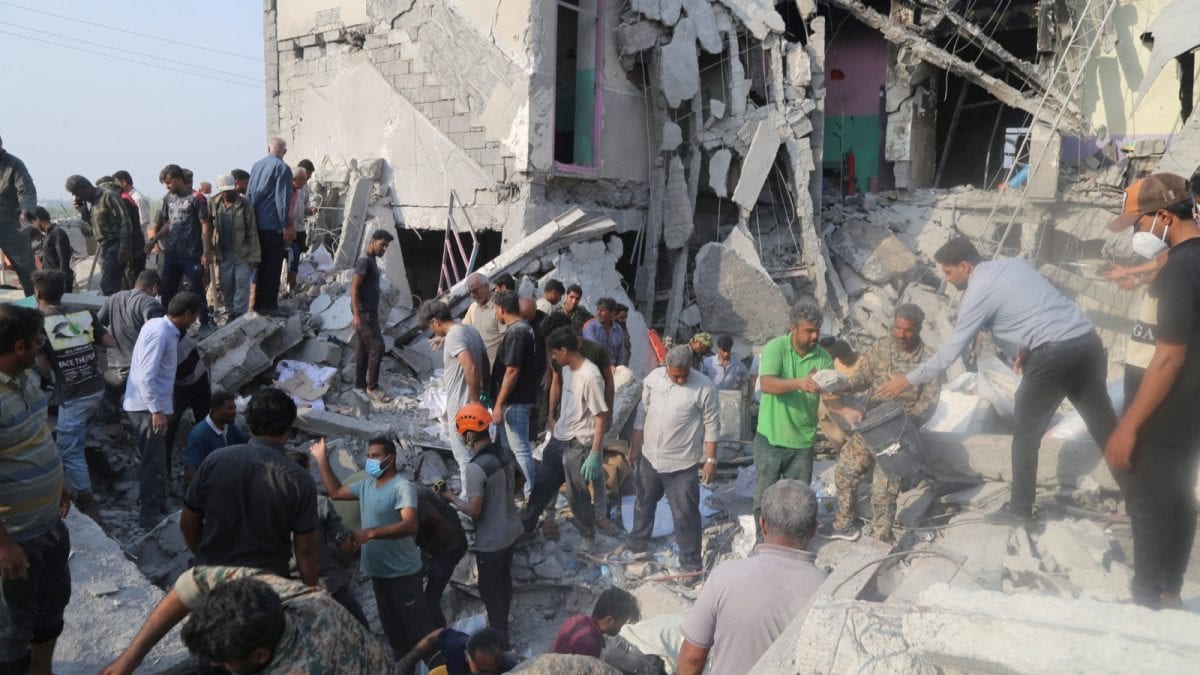
The world is currently navigating the most volatile geopolitical shift of the 21st century. Since the first kinetic exchanges of Operation Epic Fury and Operation Roaring Lion commenced on February 28, West Asia has entered a state of total war. What began as a targeted “decapitation" strike by Israeli and American forces—resulting in the death of Supreme Leader Ali Khamenei—has expanded into a multidimensional regional conflict. As we reach the 30-day mark on March 28, the global economy is reeling from the effective closure of the Strait of Hormuz, with Brent crude oil prices hovering precariously between $107 and $112 per barrel. For the average consumer, this has translated into a 50% surge in energy costs, triggering a synchronised inflationary spike across Europe and Asia.
What triggered the shift from shadow war to open conflict?
The catalyst for the February 2026 escalation was a combination of “intelligence breakthroughs" regarding Iran’s final dash towards a nuclear warhead and the persistent harassment of international shipping by the “Axis of Resistance". While previous years were defined by proxy skirmishes in Yemen and Lebanon, the decision by the Trump administration to move from “Maximum Pressure" to “Maximum Kinetic Action" changed the calculus. The initial wave of strikes involved the deployment of US B-21 Raider stealth bombers and Israeli F-35 “Adir" jets, which successfully neutralised the majority of Iran’s S-300 and S-400 air defence batteries within the first 24 hours. This established an “invisible" air dominance that allowed for subsequent deep-tissue strikes on command-and-control centres in Tehran and underground missile silos in Mashhad.
How has the closure of the Strait of Hormuz impacted global trade?
The most significant strategic move by the Iranian Revolutionary Guard Corps (IRGC) following the loss of their central leadership was the implementation of a “Toll-Booth" regime in the Strait of Hormuz. By deploying thousands of sophisticated FPV (first-person view) sea drones and advanced anti-ship cruise missiles, Iran has effectively blocked 20% of the world’s oil and LNG supply. While Tehran claims the waterway is “closed to enemies," it has allowed 26 specific vessels from “friendly" nations—primarily those willing to trade in Yuan—to pass through a designated “safe route". This weaponisation of the world’s most vital maritime artery has not only spiked fuel prices but has also disrupted the global supply of urea and fertilisers, threatening a secondary food security crisis in the coming months.
What is the current state of the Iranian regime?
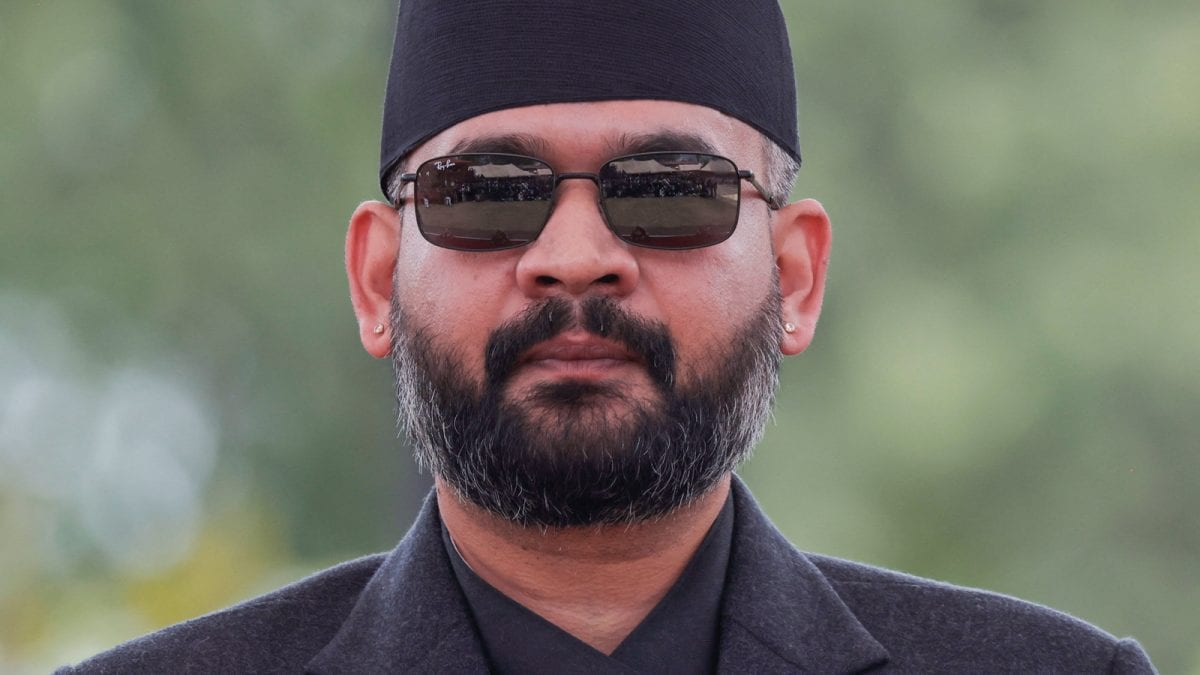
Domestically, Iran is a nation of contradictions. The appointment of Mojtaba Khamenei as the new Supreme Leader has been met with both internal crackdowns and a surge of “defensive nationalism". While the widespread protests of January 2026 initially suggested the regime might crumble under external pressure, the reality of foreign bombardment has forced a temporary and fragile national unity. The IRGC has transitioned into a decentralised “Guerilla State", operating from hardened mountain facilities and using its proxy network in Iraq and Lebanon to launch retaliatory “drone swarms" against US regional bases. This shift makes a total military victory for the Western coalition difficult to define, as there is no single “centre of gravity" left to strike.
What is the strategic dilemma for India?
For India, the first month of the Iran conflict has shifted from a diplomatic concern to an acute economic challenge. As the world’s third-largest oil consumer, India is particularly vulnerable to the “Hormuz Toll" and the surge in Brent crude. Beyond the fiscal pressure of rising pump prices, New Delhi is navigating a complex maritime security landscape. With over 8 million Indian expatriates in the Gulf, the Ministry of External Affairs has activated contingency evacuation plans while simultaneously engaging in “quiet diplomacy" to ensure that Indian-flagged vessels maintain safe passage through the volatile corridor. The conflict also threatens the viability of the Chabahar Port project, a key pillar of India’s connectivity to Central Asia, forcing a recalibration of its regional strategic autonomy.
What are the prospects for a ceasefire or diplomatic off-ramp?
Diplomatic efforts led by Oman and Switzerland have so far reached a stalemate. The US “15-Point Plan", which demands the total dismantling of Iran’s nuclear programme and its regional proxy network, was officially rejected by Tehran last week. The Iranian leadership is betting on a “War of Attrition“, hoping that the economic pain in the West will eventually force a domestic political crisis in Washington. Meanwhile, regional powers like Egypt and Saudi Arabia are walking a diplomatic tightrope, providing “good offices" for dialogue while simultaneously bolstering their own border defences against the spillover of missile fire.
First Published:
March 28, 2026, 20:20 IST
News world A Month Of Fire: How The US-Israel Vs Iran Conflict Has Redrawn The Global Map In 30 Days
Disclaimer: Comments reflect users’ views, not News18’s. Please keep discussions respectful and constructive. Abusive, defamatory, or illegal comments will be removed. News18 may disable any comment at its discretion. By posting, you agree to our Terms of Use and Privacy Policy.
Read More





 English (US) ·