
 (6).png) 13 hours ago
1
13 hours ago
1
ARTICLE AD BOX
US Secretary of State Marco Rubio said that preemptive action against Iran may be an option, arguing that Tehran’s leadership is weaker than it has been in decades, even as the US ramps up its military presence across West Asia, ANI reported.
He also addressed the potential consequences inside Iran if the Supreme Leader and the current regime were to collapse.
When asked by Senator John Cornyn about a potential post-regime scenario in Iran, Rubio said, “I don't think anyone can give you a simple answer as to what happens next in Iran if the Supreme Leader and the regime were to fall, other than the hope that there would be some ability to have somebody within their systems, that you could work towards a transition.”
On Wednesday, testifying before the Senate, Rubio said the Trump administration's decision to strengthen US assets in the region, including the recent arrival of the USS Abraham Lincoln and its strike group in the US Central Command area, was a “prudent” step aimed at protecting more than 30,000 US service members stationed across the region.
Here's what Rubio said
"And so I think it's wise and prudent to have a force posture within the region that could respond and potentially, not necessarily what's going to happen, but if necessary, preemptively prevent the attack against 1000s of American servicemen and other facilities in the region. And our allies," Rubio told senators during a Senate Foreign Relations Committee hearing focused on Venezuela.
"I hope it doesn't come to that, but that's I think what you're seeing now is the ability to posture assets in the region to defend against what could be an Iranian threat against our personnel," he added.
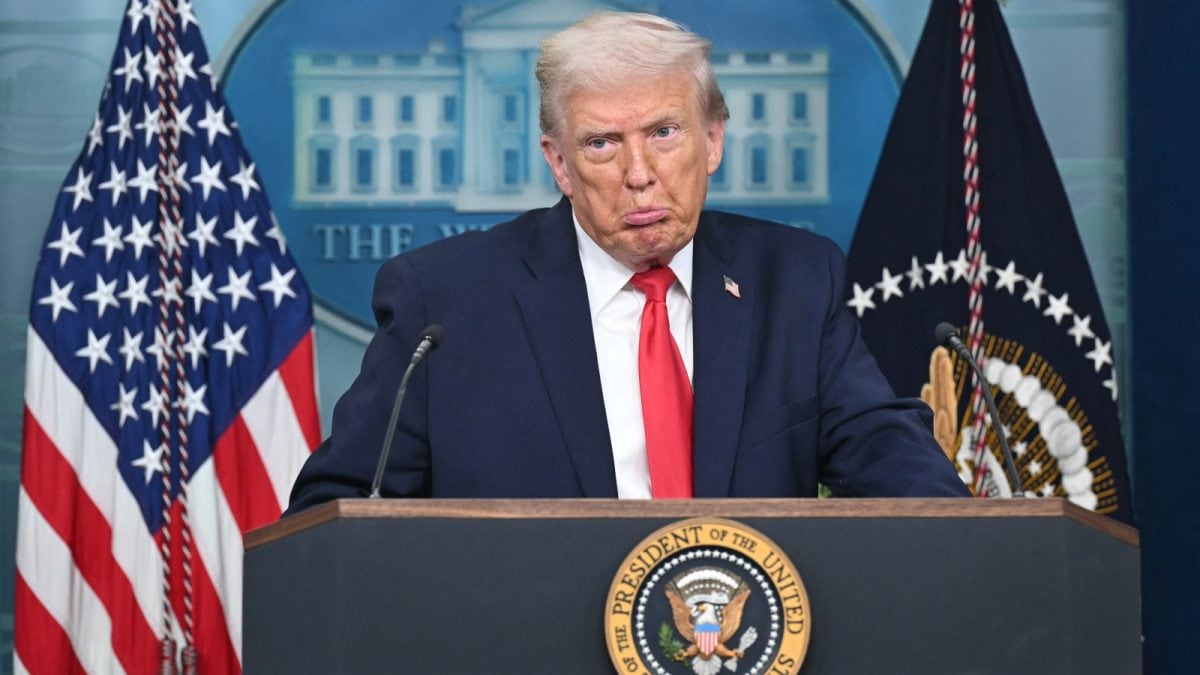
Rubio's remarks come as regional allies, including the United Arab Emirates and Saudi Arabia, brace for the possibility that President Donald Trump could authorise strikes on Iran following Tehran's crackdown on anti-regime protests and amid concerns over potential retaliation.
Addressing Iran's military capabilities, Rubio said the country is "weaker than it has ever been," but warned that it has accumulated "thousands and thousands" of long-range ballistic missiles "that they've built despite the fact that their economy is collapsing."
Trump has publicly supported the protests, which began in late December but were largely suppressed, warning Iran's leadership that violence against demonstrators would trigger military consequences. Despite earlier pledges, the president has yet to announce concrete assistance for protesters, even as thousands were reportedly killed during the crackdown earlier this month.
Trump renewed his warning early Wednesday, saying any future action would be "far worse" than last summer's US strikes on Iran's nuclear facilities.
Khameini's rule in Iran
Khamenei, 86, has ruled Iran for more than three decades, assuming the lifelong position in 1989 after the death of Islamic revolution founder Ayatollah Ruhollah Khomeini. Over the years, he has managed to stay in power despite repeated challenges, including student protests in 1999, the mass demonstrations that followed the disputed 2009 presidential election, and the 2019 unrest that was swiftly and violently crushed.
He also weathered the 2022–2023 “Woman, Life, Freedom” uprising, which erupted after the death of Mahsa Amini, a Kurdish Iranian woman who died in custody after being detained for allegedly breaching the country’s strict dress code for women, AFP reported.
During the 12-day war with Israel in June, Khamenei was forced into hiding as Israeli airstrikes killed senior security officials, exposing significant intelligence penetration inside the Islamic Republic.
However, he emerged unscathed and, as fresh nationwide protests shook the country over the past two weeks, reappeared last Friday to deliver a typically defiant address, dismissing demonstrators as “vandals” allegedly supported by the United States and Israel.
(With inputs from agencies)






 English (US) ·