
 (6).png) 10 months ago
16
10 months ago
16
ARTICLE AD BOX
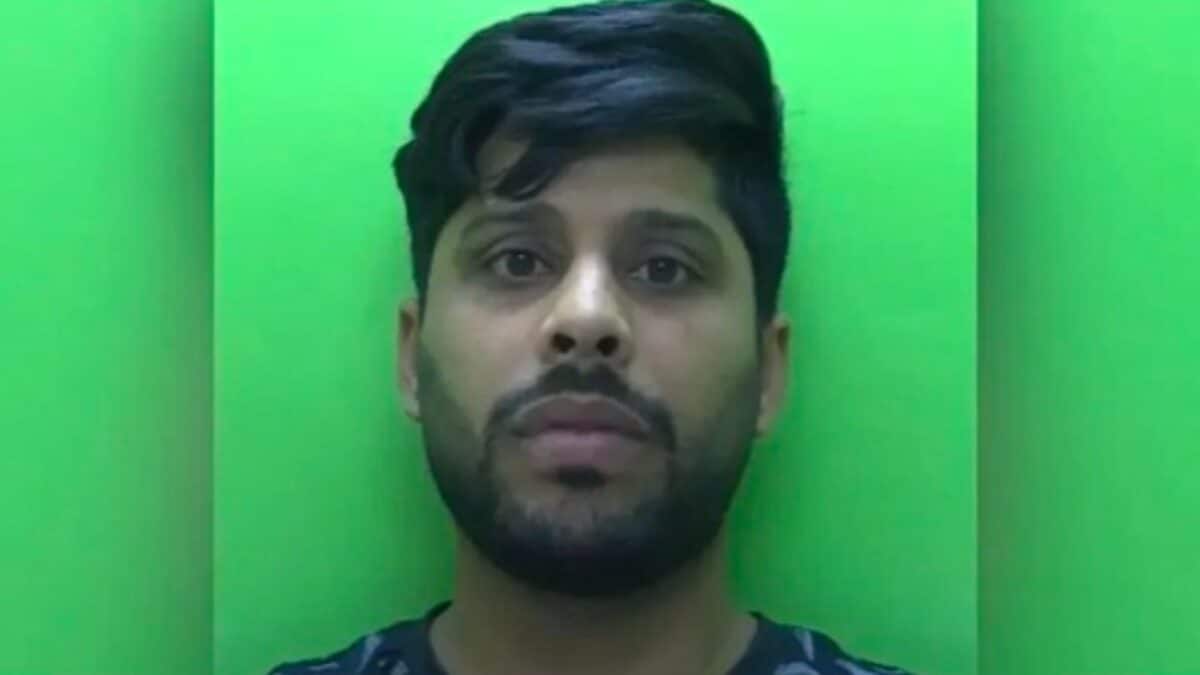
The Donald Trump administration deported five men convicted of violent crimes to Eswatini, a tiny African kingdom, on Tuesday. The deportees – from Vietnam, Jamaica, Laos, Cuba, and Yemen – included murderers and child rapists whose home countries refused to take them back.
Homeland Security spokesperson Tricia McLaughlin called them “uniquely barbaric” criminals now “off American soil”.
The flight followed a recent Supreme Court ruling allowing deportations to countries where migrants have no ties. New immigration rules let officials deport people with just 6 hours’ notice in emergencies.
Eswatini (formerly Swaziland) – a nation smaller than New Jersey with 1.2 million people – hasn’t explained its agreement to accept the deportees. Ruled by King Mswati III since 1986, it’s Africa’s last absolute monarchy and bans political parties.
Pro-democracy groups protested the secrecy, with SWALIMO spokesperson Ingiphile Dlamini stating: “There’s been no official communication about this deal” . Critics worry the poor country can’t safely manage violent criminals and note its history of human rights abuses, including torturing detainees.
This marks the second African deportation this month; eight men were sent to war-torn South Sudan earlier.
The Trump administration is actively seeking similar deals with Rwanda, Angola, and other African nations. While West African leaders discussed accepting deportees during recent White House visits, Nigeria publicly refused, calling it unacceptable.
The U.S. has also sent hundreds of Venezuelans to Central American prisons, but Africa is now a focus for “third-country” removals. Analysts suggest poor nations may agree in exchange for U.S. aid or trade benefits.
UN experts and lawyers argue the policy violates international law by sending people to countries where they risk torture. Justice Sonia Sotomayor previously criticized similar deportations, warning migrants could face torture or death.
Under the new rules, U.S. officials aren’t required to ask if deportees fear persecution in the third country.
Homeland Security Secretary Kristi Noem defended the practice, claiming partner nations will “take care of them”. However, South Sudan still hasn’t revealed the whereabouts of the eight men it received.



 English (US) ·