
 17 hours ago
2
17 hours ago
2
ARTICLE AD BOX
Last Updated:April 21, 2026, 09:47 IST
Sources indicate that Munir held direct conversations with Iranian political leadership as well as senior military figures, including commanders of the IRGC


Asim Munir is learnt to have engaged multiple global capitals, including Washington, Riyadh, Tehran, Doha and Ankara. File image
Backchannel diplomacy is intensifying ahead of a possible second round of US–Iran negotiations in Islamabad, with Pakistan emerging as an intermediary amid fragile ceasefire efforts in West Asia.
According to top security sources, talks between the United States and Iran could take place in Islamabad as early as Wednesday or Thursday, contingent on Tehran’s final approval. The development follows a flurry of late-night diplomatic outreach led by Pakistan’s Army Chief, Asim Munir, who is learnt to have engaged multiple global capitals, including Washington, Riyadh, Tehran, Doha and Ankara.
Sources indicate that Munir held direct conversations with Iranian political leadership as well as senior military figures, including commanders of the Islamic Revolutionary Guard Corps (IRGC). During these exchanges, Pakistan reportedly assured Tehran of full political and security backing.
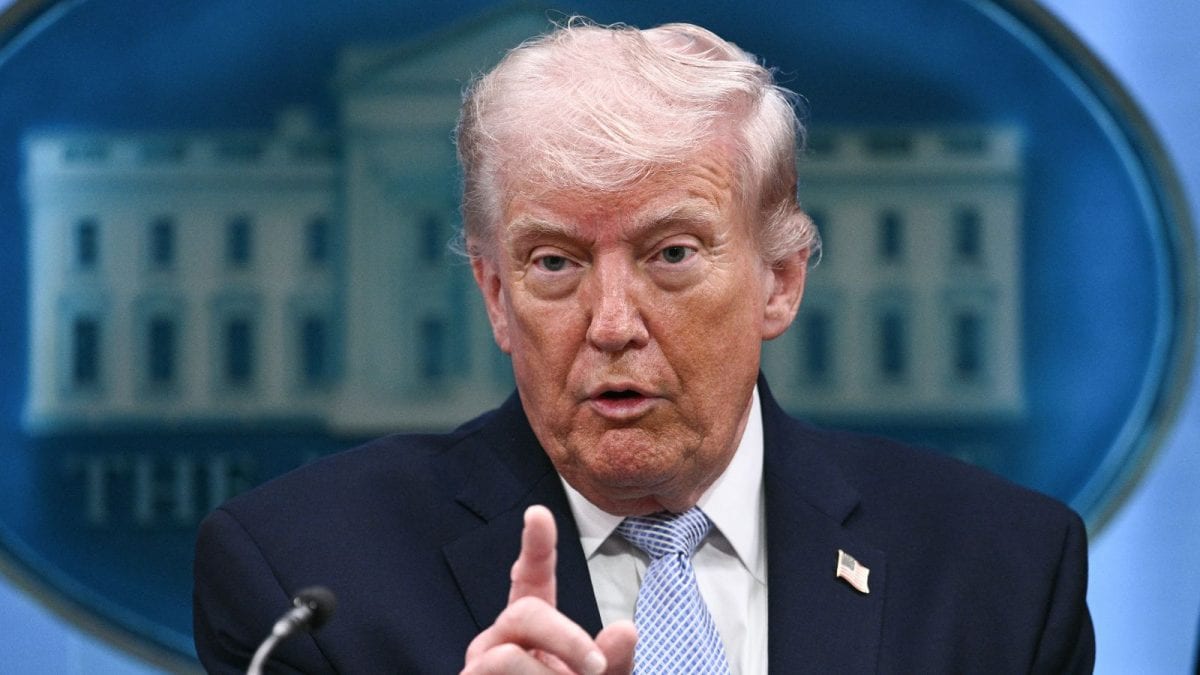
Parallel communications were also maintained with the administration of US President Donald Trump, with discussions focusing on Iran’s revised terms and conditions for re-engagement. The “to-and-fro" communication between Washington and Tehran — facilitated through Islamabad — continued into the early hours of Tuesday, underscoring the urgency and sensitivity of the negotiations.
Security sources suggest that the Trump camp has shown a degree of flexibility, agreeing in principle to some of Iran’s key demands. Among the reported assurances is a potential easing of tensions around the Strait of Hormuz, the critical global oil transit route that has been at the centre of recent escalations.
Iran, however, has agreed to participate only “conditionally." The final decision on dispatching a delegation is expected to rest with Supreme Leader Mojtaba Khamenei, who is likely to take a call by Tuesday noon. Intelligence inputs suggest that if clearance is granted, the Iranian delegation could depart late Tuesday night or early Wednesday, shortly after the American team leaves Washington.
Pakistan has reportedly put in place extensive security arrangements for the high-stakes engagement, with the Pakistan Air Force tasked with ensuring the safety of the visiting Iranian delegation. Islamabad’s role goes beyond logistics, positioning itself as a crucial diplomatic bridge at a time when direct US–Iran engagement remains fraught.
If both delegations arrive as planned, Islamabad could host a pivotal second round of negotiations that may shape the trajectory of ongoing ceasefire efforts. While uncertainties remain, particularly regarding Tehran’s final approval, the rapid pace of diplomatic coordination suggests a narrow but significant window for dialogue.
The coming hours are expected to be decisive, with regional stability hinging on whether these backchannel efforts translate into substantive talks.
Handpicked stories, in your inbox
A newsletter with the best of our journalism
First Published:
April 21, 2026, 09:47 IST
News world Asim Munir’s Midnight Diplomacy: Backchannel Push Sets Stage For US-Iran Talks In Islamabad
Disclaimer: Comments reflect users’ views, not News18’s. Please keep discussions respectful and constructive. Abusive, defamatory, or illegal comments will be removed. News18 may disable any comment at its discretion. By posting, you agree to our Terms of Use and Privacy Policy.
Read More





 English (US) ·