
 5 hours ago
1
5 hours ago
1
ARTICLE AD BOX
Last Updated:April 22, 2026, 10:12 IST
Trump sends mixed signals on Iran war, first boasting of US victory, then threatening renewed strikes yet extending the ceasefire.


US President Donald Trump. (File photo)
Over the past two days, the messaging from President Donald Trump on the Iran war has moved in several directions at once. His statements, made through interviews and posts, have alternated between optimism about a deal, warnings of destruction, and sudden changes in ceasefire deadlines.
At one moment, he suggested that Iran had “agreed to everything". At another, he warned that if a deal was not signed, the “whole country" could face devastating consequences. The last 48-hours of Trump’s flip flop on the Iran war has made it difficult to identify a single, consistent position.
What Trump said?
In interviews to CNBC on Tuesday, Trump projected strong confidence. He said the United States was in a powerful position and expected to “end up with a great deal". He also claimed that Iran had “no choice" but to accept American demands.
However, this tone quickly shifted. He next warned that Iran had a limited window – around 48 hours – to agree to America’s terms such as reopening the Strait of Hormuz. If it failed to do so, he threatened severe consequences, including large-scale military action.
He also said he expected to be “bombing" if negotiations did not progress, hinting urgency and pressure.
Iran ceasefire extension after warning
Despite earlier comments suggesting he would not extend the ceasefire, Trump later changed course. He announced that the truce would continue beyond its initial deadline. Iran has kept mum on the next round of discussions and ceasefire extension.
In a post, he said the decision was taken after requests from Pakistan’s leadership, including Field Marshal Asim Munir and Prime Minister Shehbaz Sharif. He added that the extension would remain in place until Iran’s leaders presented a “unified proposal" for peace talks.
At the same time, he made clear that the US naval blockade would continue and that the military remained ready for action. This marked a shift from immediate threat to conditional restraint.
Trump claimed US ‘won’ Iran war
Throughout this period, Trump repeatedly described the US position as dominant. He said the war was being “won by a lot" and praised the performance of the American military.
He also made a series of claims about Iran’s military losses, stating that its navy had been destroyed, its air force weakened, and its defence systems eliminated. He argued that the blockade was severely damaging Iran’s economy, claiming losses of $500 million a day.
In addition, he said Iran was facing financial collapse and struggling to pay its forces, presenting this as evidence of pressure working in Washington’s favour.
He went on with these claims to reinforce his narrative that the US was in control and achieving its objectives.
Then on Tuesday he claimed that Iran has violated the ceasefire multiple times.
Mixed signals on negotiations
Alongside threats and claims of success, Trump continued to suggest that a negotiated settlement was possible. He said talks could still lead to a deal and kept the option of diplomacy open.
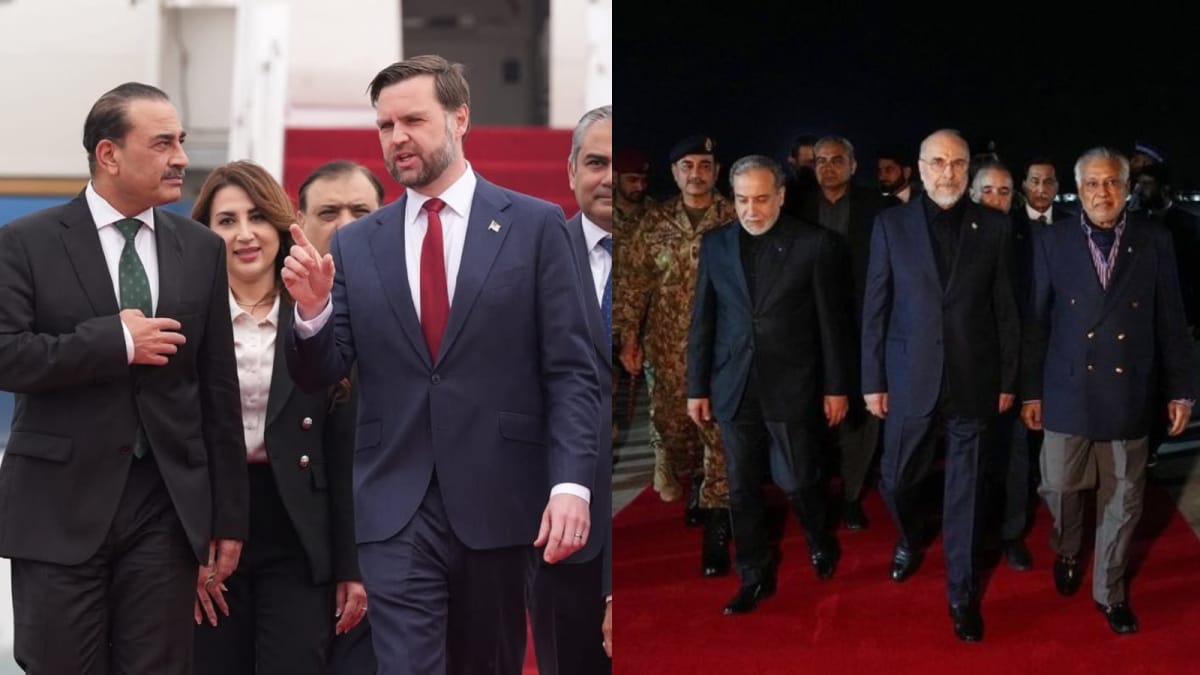
At the same time, there was uncertainty about the next round of negotiations. Plans for Vice President JD Vance to travel to Islamabad were delayed and later cancelled. Iran had also not confirmed whether it would send a delegation.
Iran’s UN ambassador indicated that talks could depend on the US lifting its blockade, adding another layer of uncertainty.
The sequence of events over 48 hours followed a clear pattern. Trump issued deadlines, escalated rhetoric, stepped back slightly, and then returned to bargaining.
In one day alone, the situation shifted from expectations of renewed strikes to an extended ceasefire. The decision came late, changing earlier assumptions about the direction of the conflict.
This rapid movement between positions has led observers to describe the approach as inconsistent rather than following a single, steady strategy.
Why it matters
The shifting messages have had wider effects beyond the immediate conflict. Oil markets, international partners, and Iran itself have been trying to understand whether the US is moving towards war, sustained pressure, or a negotiated outcome. By keeping all options open – military action, economic pressure, and diplomacy – Trump’s statements have created uncertainty about the next step.
At the same time, the extension of the ceasefire suggests that talks are still being considered, even as strong warnings continue.
As of now, the ceasefire remains in place, but the situation is unstable. The US blockade continues, negotiations are uncertain, and both sides are weighing their next moves. Trump’s recent statements show a mix of confidence, pressure, and flexibility. The past 48 hours showed how quickly the direction can change.
Handpicked stories, in your inbox
A newsletter with the best of our journalism
Location :
United States of America (USA)
First Published:
April 22, 2026, 10:12 IST
News world Bomb Threat, Deadline, Ceasefire Extension: Trump’s 48-Hour Iran Flip-Flops
Disclaimer: Comments reflect users’ views, not News18’s. Please keep discussions respectful and constructive. Abusive, defamatory, or illegal comments will be removed. News18 may disable any comment at its discretion. By posting, you agree to our Terms of Use and Privacy Policy.
Read More




 English (US) ·