
 2 hours ago
3
2 hours ago
3
ARTICLE AD BOX
Last Updated:March 19, 2026, 17:09 IST
Energy prices soared as Iran attacked Gulf infrastructure. Iranian missiles hit Qatar's LNG hub, and drones struck Saudi and Kuwaiti refineries.


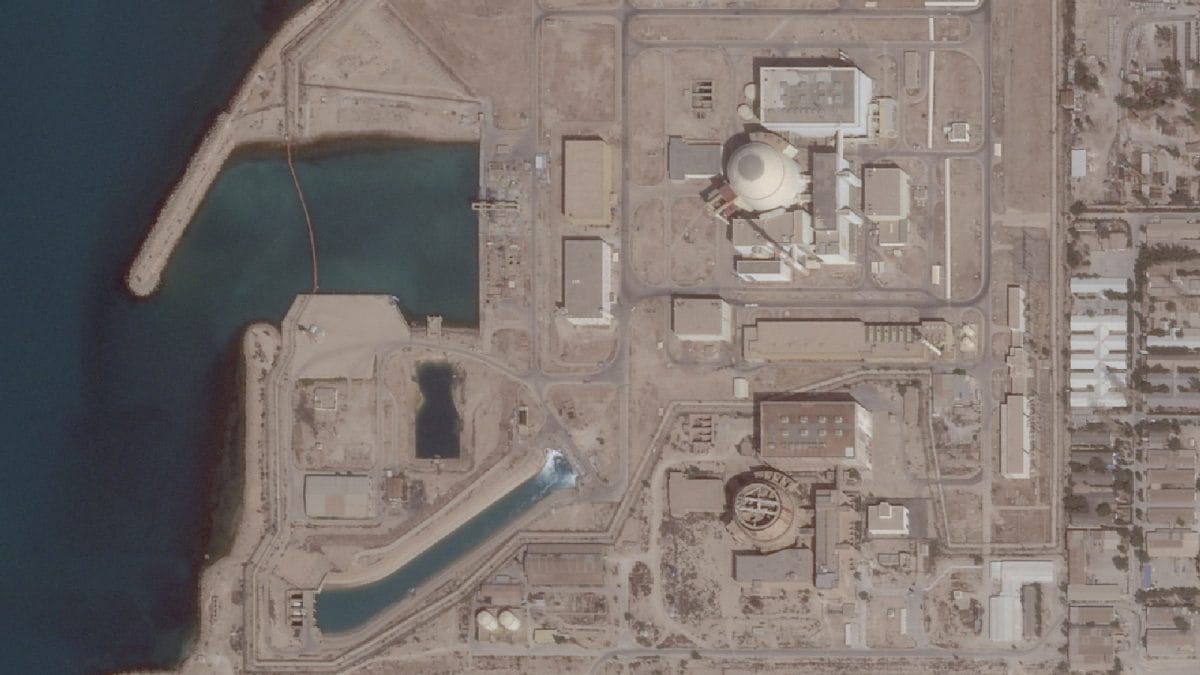
Energy markets have surged after escalating Iran–Israel attacks on major gas fields raised fears of prolonged global supply disruption. (Image: AP File)
Energy prices soared and stocks sank on Thursday as Iran stepped up attacks on Gulf energy infrastructure, reigniting fears over global supplies and inflation.
Brent crude topped $115 per barrel as Tehran threatened to target regional installations in retaliation for an Israeli strike on a site serving its massive South Pars field, which it shares with Qatar.
Iranian missiles struck Qatar’s Ras Laffan, the world’s largest liquefied natural gas (LNG) hub, causing “extensive damage".
Drones struck a Saudi oil refinery on the Red Sea and caused fires at two others in Kuwait in the latest attacks.
World oil prices jumped and European gas rose as much as 35 percent on fresh concerns about the impact on energy supplies of the nearly three-week-old Middle East war.
International benchmark Brent surged six percent, after climbing more than 10 percent earlier, while the main US oil contract WTI was up 0.3 percent.
“The prospect of a longer, more drawn-out conflict is in sharp focus, as both sides ratchet up attacks on energy infrastructure," said Susannah Streeter, chief investment strategist at Wealth Club.
“Downbeat sentiment is spreading fast… as investors assess the repercussions for the global economy," she added.
The Frankfurt and London stock markets both shed around two percent, while Paris was down 1.7 percent.
In Asia, Tokyo tanked more than three percent, while Hong Kong and Shanghai were also down.
Markets have been hammered since the start of the war, with Tehran hitting sites across the Gulf and effectively closing the Strait of Hormuz, through which a fifth of global oil and gas flows.
The surge in energy costs has fanned fears of a spike in inflation and the spectre of higher interest rates.
Central banks are in a “state of limbo while they wait to see if the Middle East crisis will trigger a long-lasting inflation shock," said Dan Coatsworth, head of markets at AJ Bell.
The Bank of England and the European Central Bank are both set to hold interest rates on Thursday, after the US Federal Reserve also kept its borrowing costs unchanged.
Concerns were compounded Wednesday with data showing US wholesale inflation rose more than expected in February, before the war started and oil prices soared by more than 40 percent.
Federal Reserve Chair Jerome Powell said he expected higher energy costs to boost price rises in the near term but added that little was clear at this point.
“We’re right at the beginning of this,… you just don’t know how big this will be and how long it lasts," he said.
The Bank of Japan held rates on Thursday and also warned it saw inflation spiking on the back of the crude surge.
That came after the Reserve Bank of Australia hiked its key rate Tuesday, pointing to “sharply higher fuel prices".
(Agency inputs)
First Published:
March 19, 2026, 17:09 IST
News world Brent Crude Surges 10% To $119 As Iran Strikes Hit Key Gulf Energy Sites
Disclaimer: Comments reflect users’ views, not News18’s. Please keep discussions respectful and constructive. Abusive, defamatory, or illegal comments will be removed. News18 may disable any comment at its discretion. By posting, you agree to our Terms of Use and Privacy Policy.
Read More





 English (US) ·