
 1 hour ago
1
1 hour ago
1
ARTICLE AD BOX
Last Updated:March 02, 2026, 21:48 IST
Exporters of the Assam Orthodox tea said while there is still some breathing space, shipments could face a serious setback if the ongoing conflict in Iran continues


Often regarded as Iran's comfort beverage – and the second cheapest drink after water – the Assam Orthodox tea holds a special place in the country’s market. (Image for representation: PTI/File)
Amid the West Asia crisis, there is concern brewing around Iran’s favourite comfort drink – the award-winning, premium quality Assam Orthodox tea.
Exporters of the tea in Assam said while there is still some breathing space, tea shipments could face a serious setback if the ongoing conflict in Iran continues.
Often regarded as Iran’s comfort beverage – and the second cheapest drink after water – the Assam Orthodox tea holds a special place in the country’s market. But the evolving geopolitical situation has created massive uncertainty among exporters.
‘TEA CAN HELP EASE TENSE MOMENTS’
Iranians drink chāy (tea) throughout the day – morning, afternoon, and evening – and it is traditionally served strong and hot, often with sugar cubes or rock candy.
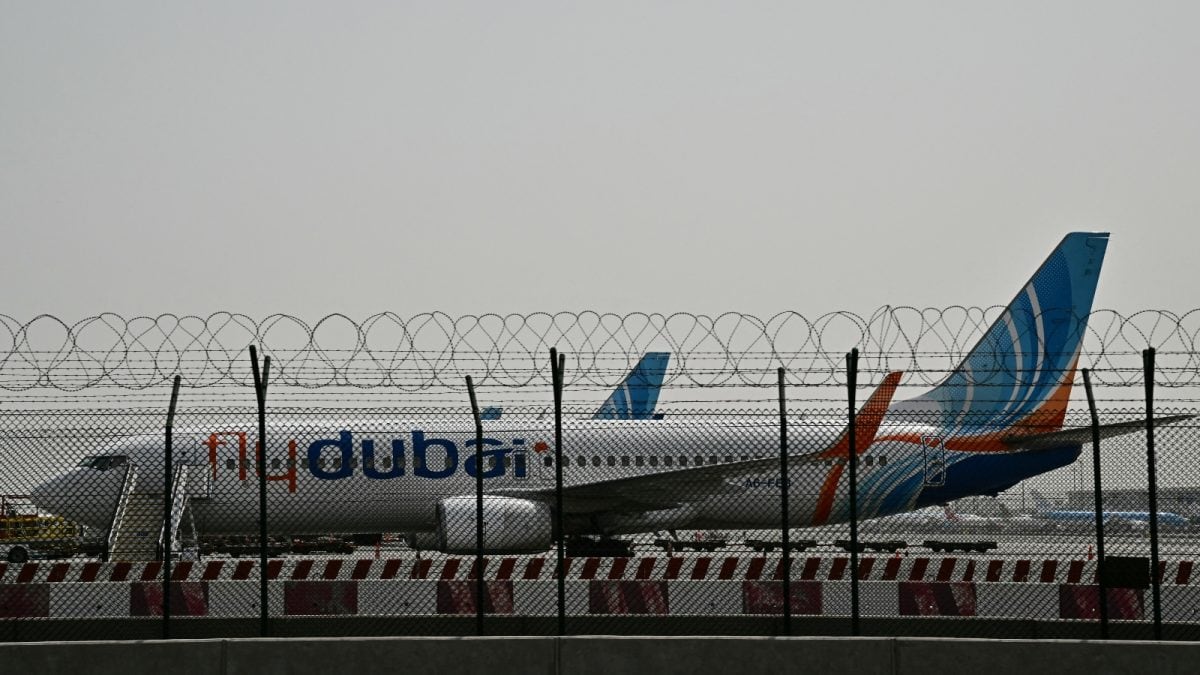
“The situation is dynamic and needs close monitoring. Assam tea has traditionally been Iran’s comfort drink, and Orthodox varieties are especially popular there. In times of conflict, tea can help ease tense moments. But the war could create significant payment barriers. Dubai serves as a key transit hub for shipments and, under the present circumstances, that has become an impediment," said Anshuman Kanoria, who is the chairman of the Indian Tea Exporters Association.
Iran is a crucial market for Assam tea, consuming nearly 46 percent – around 25 million kg – of the state’s annual premium Orthodox tea production. In fact, close to half of its output is absorbed by the Iranian market.
The Assam government has increased the subsidy for Orthodox tea producers to Rs 15 per kg. This enhanced financial support is aimed at encouraging its production, as the tea is primarily export-oriented and commands a premium in international markets such as Iran, Iraq, and other countries in that region.
PAYMENT BARRIERS, DELAYED SHIPMENTS
But, the Iran conflict might inhibit prospects. New Delhi and Tehran have previously maintained a barter trade relationship, and the latter remains an important partner, especially in agricultural and FMCG exports.
Payment mechanisms, already strained due to sanctions, are now facing additional pressure from war-related uncertainties. Exporters have reported shipment delays, payment risks and even contract cancellations. Industry experts said if the situation persists, excess supply in the domestic market could lead to a decline in tea prices, particularly for premium Orthodox varieties.
India’s tea exports touched an all-time high of 280 million kg in 2025, driven by strong demand from the west Asian countries. Between January and September last year, exports stood at around 254.19 million kg. Iraq imported over 48.88 million kg, Iran around 10.69 million kg, and the United Arab Emirates approximately 45.66 million kg during that period.
For now, exporters said shipments are still in the pipeline. The only relief is that this is not the peak export season. There is some breathing time, and the industry is hopeful that stability will return before long, they said.
WHAT IS ASSAM ORTHODOX TEA?
Assam Orthodox tea is a premium variety of black tea produced in the northeastern state of Assam. It is manufactured using the traditional “orthodox" method of tea processing, which preserves the natural shape and character of the tea leaves.
Unlike the CTC (crush-tear-curl) method, which produces small, granular tea commonly used in tea bags, the orthodox method involves carefully withering, rolling, oxidising and drying whole tea leaves. This results in long, twisted leaves and a more refined, complex flavour profile.
This variety of tea is known for its bright coppery liquor, rich malty taste and full-bodied strength. It has a strong aroma and a brisk character, making it highly sought after in international markets.
The unique climate of Assam – marked by heavy rainfall, high humidity and fertile soil – provides ideal conditions for growing this high-quality tea. As a result, it is considered a high-value export product.
It enjoys strong demand in countries such as Iran, Iraq, Russia, the United Kingdom and other west Asian markets, where it is mostly consumed as loose-leaf tea. In essence, it is a traditional, whole-leaf black tea valued for its quality, flavour and global appeal.
Location :
Guwahati [Gauhati], India, India
First Published:
March 02, 2026, 21:48 IST
News india 'Chāy' In Conflict: Why Assam Orthodox Tea Exporters Are Worried About Iran's Favourite Comfort Drink
Disclaimer: Comments reflect users’ views, not News18’s. Please keep discussions respectful and constructive. Abusive, defamatory, or illegal comments will be removed. News18 may disable any comment at its discretion. By posting, you agree to our Terms of Use and Privacy Policy.
Read More




 English (US) ·