
 (6).png) 1 hour ago
3
1 hour ago
3
ARTICLE AD BOX
Tamil Nadu Chief Minister C. Joseph Vijay on Wednesday met Prime Minister Narendra Modi at Seva Teerth in New Delhi during his first official visit to the national capital since taking office earlier this month and after winning the trust vote on May 13. He raised issues relating to Mekedatu dam, fishermen's arrests, Tamil invocation song, as per PTI citing a government release.
As part of the visit, Vijay also went to Tamil Nadu House in Delhi, where he was accorded a guard of honour. Leaders from various Left parties and the Indian Union Muslim League (IUML) in Delhi were expected to meet Vijay at Tamil Nadu House as part of a courtesy interaction.
“Chief Minister of Tamil Nadu, Thiru @actorvijay met Prime Minister @narendramodi today,” the PMO (Prime Minister's Office) said on X.
Vijay thanked PM Modi for the efforts made during his visit to the Netherlands to recover and bring back the Anaimangalam copper plates to India, according to ANI citing the release.
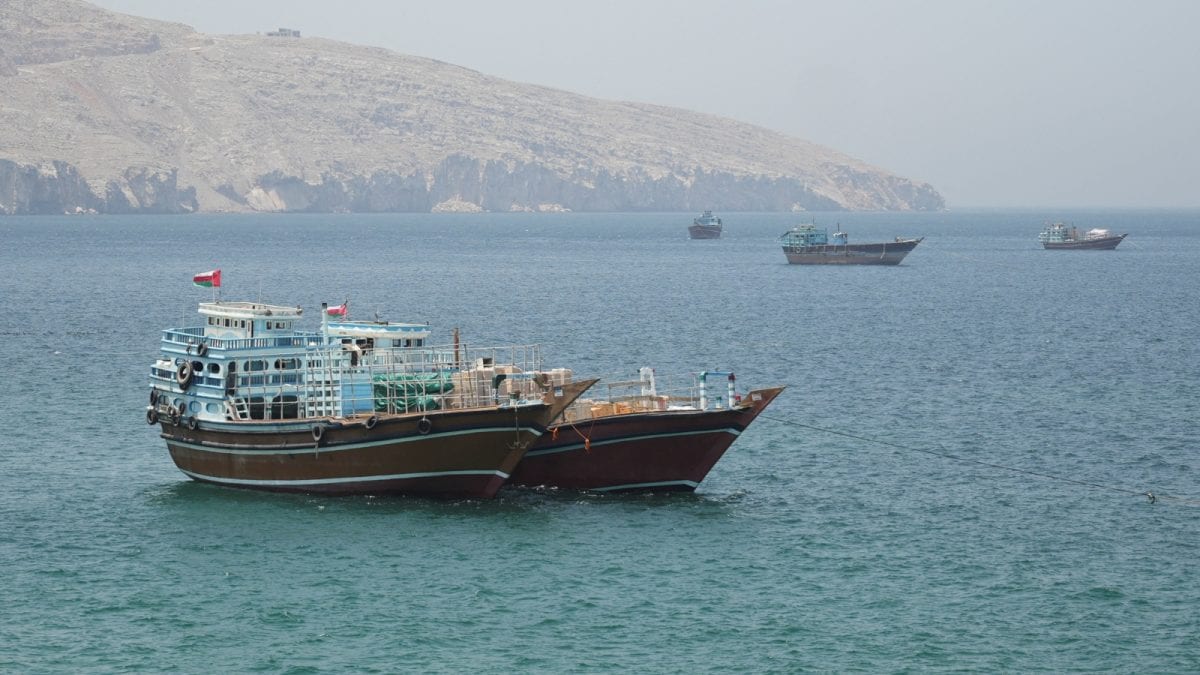
The chief minister also raised concerns over the growing number of incidents involving the arrest and alleged harassment of Tamil Nadu fishermen by the Sri Lanka Navy. He said 12 such incidents had been reported in 2026 so far, with 58 fishermen currently in Sri Lankan custody and 266 fishing boats seized.
Vijay urged the prime minister to press the Sri Lankan government for the immediate release of the detained fishermen and their boats, the statement added.
According to ANI sources, the Tamil Nadu chief minister is also scheduled to meet Vice President CP Radhakrishnan, Union Home Minister Amit Shah and Finance Minister Nirmala Sitharaman.
He is additionally expected to hold discussions with senior Congress leaders, including Sonia Gandhi, Rahul Gandhi and Mallikarjun Kharge at 10 Janpath, where posters featuring Rahul Gandhi and Vijay were seen outside the residence.
CM Vijay discusses measures to protect 69% reservation policy
Meanwhile, Vijay on Tuesday presided over a review meeting to discuss legal steps aimed at protecting the state’s 69% reservation policy in admissions to educational institutions and government jobs.
Under the reservation framework in Tamil Nadu, 26.5% quota is allotted to Backward Classes, 20% to Most Backward Classes and Denotified Communities, 18% to Scheduled Castes, 3.5% to Backward Class Muslims and 1% to Scheduled Tribes.
The state’s 69% quota system goes beyond the 50% reservation limit laid down by the Supreme Court in the 1992 Indra Sawhney versus Union of India judgement.
The 69% reservation policy in Tamil Nadu is governed by the Tamil Nadu Backward Classes, Scheduled Castes and Scheduled Tribes (Reservation of Seats in Educational Institutions and of Appointments or Posts in the Services under the State) Act, 1993, which was enacted during the All India Anna Dravida Munnetra Kazhagam government led by former Chief Minister J. Jayalalithaa.
The Act was placed in the Ninth Schedule of the Indian Constitution, and according to Article 31B, the “Acts and Regulations specified in the Ninth Schedule nor any of the provisions thereof shall be deemed to be void, or ever to have become void, on the ground that such Act, Regulation or provision is inconsistent with, or takes away or abridges any of the rights conferred by any provisions of this Part, and notwithstanding any judgment, decree or order of any court or tribunal to the contrary, each of the said Acts and Regulations shall, subject to the power of any competent Legislature to repeal or amend it, continue in force.”
However, in the historic I.R. Coelho vs State of Tamil Nadu judgment delivered in 2007, the Supreme Court ruled that laws placed under the Ninth Schedule of the Constitution would still be subject to judicial review if they violated the Constitution’s basic structure.
Vijay-led Tamil Nadu govt
Vijay secured the trust vote with the support of legislators from the Congress, CPI, CPI(M), VCK and IUML. His Tamilaga Vettri Kazhagam (TVK) emerged as the largest party in the Assembly polls by winning 108 seats.
In the subsequent floor test, Vijay comfortably proved his majority in the Legislative Assembly, securing 144 votes in support. Along with its allies, the TVK alliance commanded the backing of 119 MLAs, while 22 members voted against the motion and five abstained.
Support also came from expelled Amma Makkal Munnettra Kazhagam MLA Kamaraj. In a surprise development, 25 legislators from the All India Anna Dravida Munnetra Kazhagam (AIADMK) defied their party line and voted in favour of Vijay during the trust vote.




 English (US) ·