
 5 hours ago
1
5 hours ago
1
ARTICLE AD BOX
Last Updated:April 09, 2026, 07:36 IST
The US-Iran ceasefire may have prevented a wider regional war, but it has come at a political cost for Benjamin Netanyahu


Israeli Prime Minister Benjamin Netanyahu. (AFP File)
When the dust settled on the Pakistan-brokered ceasefire between United States and Iran, one narrative began to dominate international coverage: there were no clear winners. However, now a sharper conclusion is emerging: Benjamin Netanyahu may have come out politically weaker than before the conflict.
A War Without Strategic Gains
The Guardian described the conflict as a “war with no winners", arguing that Israel failed to secure any decisive or lasting strategic advantage. Despite sustained military action, Iran’s regional posture and capabilities appear largely intact.
The BBC too noted that the ceasefire did not fundamentally alter the balance of power. Iran remains entrenched across multiple fronts, while Israel’s core security concerns, especially around Iran’s influence, remain unresolved.
Even analysts cited by The Conversation suggest Netanyahu’s broader “endgame" was unclear from the start, with no coherent pathway from military escalation to a durable political outcome.
‘Defeat From Jaws Of Victory’?
Inside Israel, the backlash has been swift and unusually blunt.
According to Al Jazeera, critics have framed the outcome as a “defeat from the jaws of victory", suggesting Israel halted operations before achieving meaningful objectives. This sentiment has been echoed across the political spectrum.
According to The Times of Israel, opposition leaders have directly blamed Netanyahu for what they call a “diplomatic disaster". The ceasefire, rather than being seen as a stabilising move, is being portrayed as a climbdown under pressure, particularly from the United States.
Euronews reported that even within Israel’s political establishment, there is dissatisfaction with the terms of the truce, reinforcing the perception that Netanyahu conceded more than he gained.
Criticising Netanyahu, the leader of the Israeli opposition, Yair Lapid, accused him of failing to secure Israel’s demands as part of the ceasefire. “There has never been such a diplomatic disaster in all our history," he said in a post on X, stating that “Israel wasn’t even at the table when decisions were made concerning the core of our national security."
“The army did everything that was asked of it, the public showed amazing resilience, but Netanyahu failed politically, failed strategically, and didn’t meet a single one of the goals that he himself set."
Yair Golan, head of the centre-left The Democrats party, accused Netanyahu of lying on X. “Netanyahu lied. He promised a ‘historic victory’ and security for generations, and in practice, we got one of the gravest strategic failures Israel has known," Golan said.
Golan stated that after “blood was spilled … brave citizens killed (and) soldiers fell … none of the goals were accomplished". “The nuclear programme was not destroyed; the ballistic threat remains; the regime is in place and is even stronger coming out of this war," he added.
US Pressure And The Optics Problem
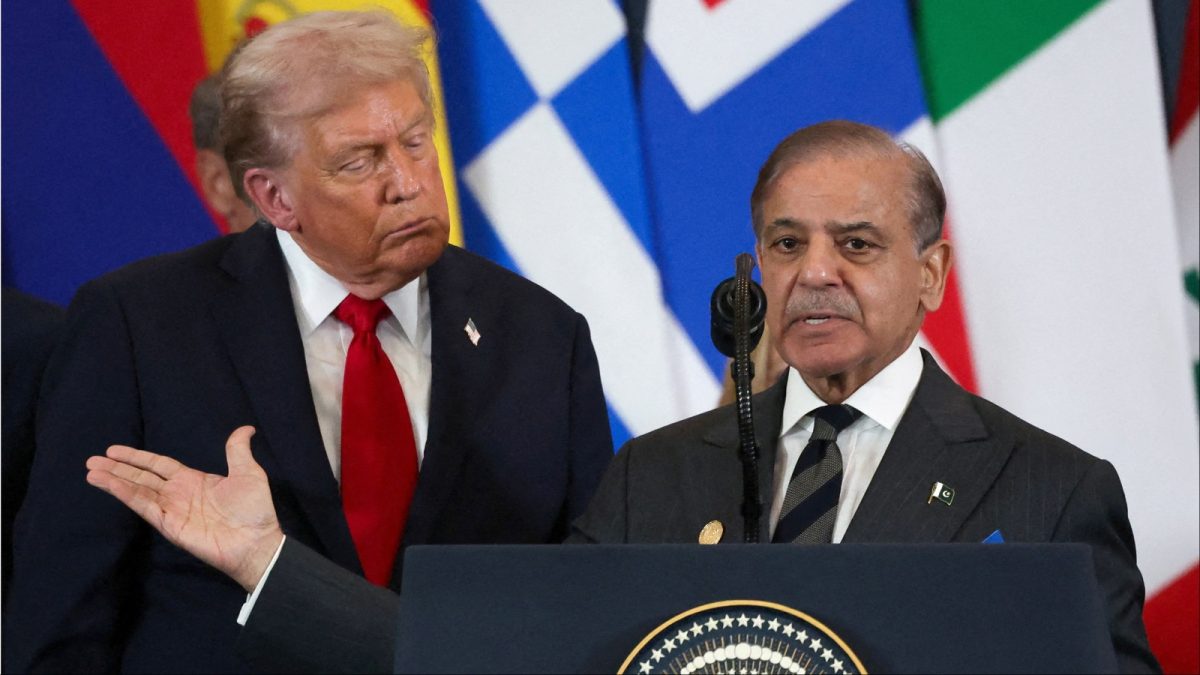
The New York Times also noted the decisive role played by the United States, particularly under President Donald Trump, in pushing the ceasefire through.
While US intervention helped avert further escalation, it has created an optics problem for Netanyahu. Critics argue that Israel appeared to be following Washington’s lead rather than dictating its own strategic course.
This perception is politically damaging for a leader who has long positioned himself as a strong, security-first decision-maker.
Haaretz’s military affairs correspondent Amos Harel, speaking to The Guardian, said failure was always intrinsic to Netanyahu’s war plans. “Many of the weaknesses shared by the current US administration and Israel’s system under Netanyahu came into view: a tendency to gamble based on unfounded wishful thinking, shallow and half-baked plans, disregard for experts, or the aggressive use of pressure to make them align their views with the wishes of the political leadership," Harel said.
Leadership Under Threat
The political consequences could be severe.
Hindustan Times reports that the war’s setbacks have put Netanyahu’s leadership, and potentially his final term in office, on the line. Opposition figures are using the ceasefire to question both his judgment and his ability to deliver security.
At the same time, Netanyahu has sought to push back against this narrative. News18 reported that he has insisted that the ceasefire is “not the end of the war" and warned that Israel is ready to return to combat if needed in an attempt to project strength amid mounting criticism.
According to The Guardian, Netanyahu’s push to keep up strikes in southern Lebanon also looks increasingly overconfident. Israel’s stated aim of creating a new buffer zone risks drawing its troops into direct, ground-level clashes with Hezbollah—an adversary that has long shown it can fight effectively on familiar terrain.
No Clear Win, But Clear Costs
What makes Netanyahu’s position particularly precarious is the gap between expectations and outcomes. The military escalation, which he sold to Trump during a secret meeting in the White House, did not yield a decisive result. The diplomatic resolution too appears externally driven and domestic support is visibly eroding.
In contrast, Iran has managed to avoid major concessions while maintaining its regional posture, leading some analysts to argue that Tehran has, at the very least, avoided losing.
The US-Iran ceasefire may have prevented a wider regional war, but it has come at a political cost for Benjamin Netanyahu with a clear consensus forming: in a conflict defined by ambiguity and stalemate, Netanyahu is one of the few leaders facing clear and immediate fallout.
Whether he can recover politically, or whether this marks the beginning of the end of his leadership, will depend on what comes next.
First Published:
April 09, 2026, 07:36 IST
News explainers 'Defeat From Jaws Of Victory'? Why A US-Iran War With No Winners Is Hurting Netanyahu The Most
Disclaimer: Comments reflect users’ views, not News18’s. Please keep discussions respectful and constructive. Abusive, defamatory, or illegal comments will be removed. News18 may disable any comment at its discretion. By posting, you agree to our Terms of Use and Privacy Policy.
Read More






 English (US) ·