
 10 hours ago
2
10 hours ago
2
ARTICLE AD BOX
Last Updated:April 21, 2026, 11:04 IST
Trump’s public comments and social media posts about sensitive US-Iran negotiations appear to have complicated diplomatic progress.


Donald Trump listens to speeches at the White House (Photo: AP)
As the weekend approached, the United States and Iran appeared to be moving closer to a possible agreement aimed at ending the seven-week war.
Officials involved in the diplomatic effort had begun to signal cautious optimism that a framework could emerge to reduce tensions between Washington and Tehran.
However, that optimism was quickly undercut after President Donald Trump publicly discussed details of the negotiations, something aides had repeatedly indicated would be avoided due to the delicate nature of the talks.
According to CNN, Trump spoke with reporters by phone on Friday morning while also posting on social media about the ongoing discussions, even as Pakistani intermediaries were updating him on conversations taking place with Iranian officials in Tehran.
During those interactions, Trump asserted that Iran had accepted multiple provisions that sources familiar with the negotiations said had not yet been finalised.
He also claimed Tehran had agreed to some of Washington’s most difficult demands, including handing over its enriched uranium stockpile, while suggesting that an end to the conflict was imminent.
Iranian officials publicly pushed back on those claims and denied that preparations were underway for another round of talks, dampening expectations of a near-term breakthrough.
The developments cast uncertainty over whether diplomatic progress could continue.
TRUST DEFICIT COMPLICATES DIPLOMATIC PROCESS
Privately, several officials within Trump’s administration acknowledged to CNN that the President’s public remarks risked undermining the negotiations, given the sensitivity of the discussions and Iran’s longstanding mistrust of the United States.
“The Iranians didn’t appreciate POTUS negotiating through social media and making it appear as if they had signed off on issues they hadn’t yet agreed to, and ones that aren’t popular with their people back home," a source familiar with the talks told CNN.
The sentiment reflects concerns that public messaging may have complicated an already fragile diplomatic effort.
The criticism aligns with the broader question of whether Trump’s social media interventions proved “detrimental to talks" at a moment when negotiators appeared to be edging closer to a possible breakthrough.
American officials also believe there may be divisions within Iran’s leadership over how to approach the talks.
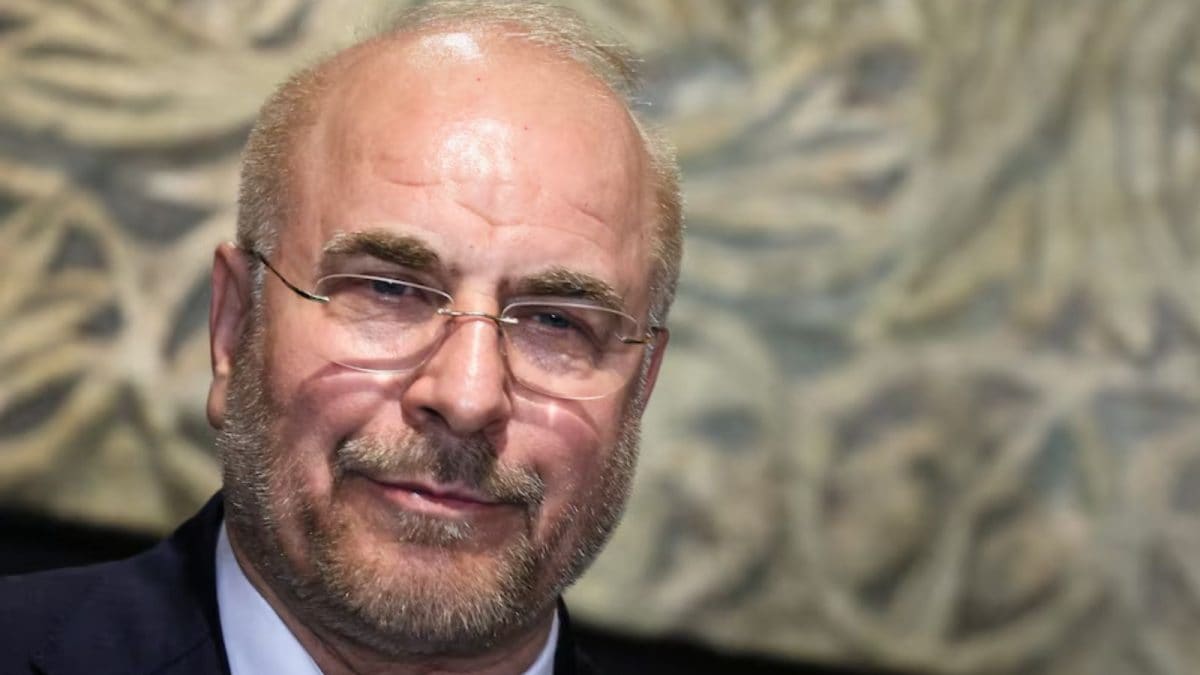
Negotiations are being led by Parliament Speaker Mohammad Bagher Ghalibaf and Foreign Minister Abbas Araghchi, but the Islamic Revolutionary Guard Corps is believed to hold considerable influence, raising questions about who ultimately has authority to approve any agreement.
CONTRADICTORY SIGNALS ADD TO UNCERTAINTY
Trump made several public claims about the status of the talks in interviews with different outlets.
Speaking to Bloomberg, he said Iran had agreed to an “unlimited" suspension of its nuclear programme.
In comments to CBS News, he said Tehran had “agreed to everything," including cooperating with Washington to remove enriched uranium from its territory.
He also told Axios that a meeting would “probably take place over the weekend," adding, “I think we will get a deal in the next day or two."
Iranian officials contradicted those statements, emphasising that key issues remain unresolved.
Confusion also surrounded the participation of Vice President JD Vance in the negotiations.
Trump told some callers that Vance would not be involved due to security concerns.
Yet two senior administration officials, United Nations Ambassador Mike Waltz and Energy Secretary Chris Wright, later appeared on television stating that Vance would lead the delegation in Islamabad, as he had in earlier talks.
Subsequent updates indicated Vance was expected to depart Washington on Tuesday, with negotiations now scheduled to begin Wednesday morning.
Sources familiar with the planning described the situation as “fluid," underscoring continuing uncertainty around the diplomatic timeline.
CEASEFIRE TESTED AS MILITARY INCIDENT ESCALATES TENSIONS
The fragile ceasefire between Washington and Tehran was further strained on Sunday after a US guided-missile destroyer seized an Iranian cargo vessel that attempted to cross the US naval blockade in the Gulf of Oman.
The incident heightened tensions and risked complicating diplomatic efforts already facing pressure.
At the centre of negotiations are US demands that Iran suspend uranium enrichment and surrender stockpiles of near weapons-grade nuclear material.
Tehran, meanwhile, insists it must retain control over the Strait of Hormuz and has called for sanctions relief.
According to sources familiar with discussions, American negotiators initially proposed a 20-year halt to Iran’s enrichment programme.
Iran countered with a five-year pause, which Washington rejected.
Another Iranian proposal reportedly includes a 10-year suspension followed by limited enrichment at levels below weapons grade.
Trump has said he opposes allowing enrichment even under long-term restrictions, indicating he wants a permanent halt.
WHITE HOUSE DEFENDS TRUMP’S STRATEGY
Despite concerns that public commentary may have complicated negotiations, the White House has defended Trump’s approach.
“The United States has never been closer to a good deal with Iran, unlike the horrible deal made by the Obama Administration, thanks to President Trump’s negotiating ability," White House press secretary Karoline Leavitt said.
She added, “Anyone who cannot see President Trump’s tactics to play the long game is either stupid or willfully ignorant."
The Trump administration is also considering unfreezing $20 billion in Iranian assets as part of a possible agreement, CNN previously reported.
The proposal would reportedly be tied to Tehran transferring its stockpile of highly enriched uranium.
DEADLINE PRESSURE BUILDS AS TALKS CONTINUE
As the expiration of the two-week ceasefire approaches, Trump faces a key decision, whether to accept a compromise agreement or escalate the conflict further.
While Iranian officials signalled by Monday that they may still be open to continued dialogue, the contours of any potential agreement remain unclear.
Trump has insisted he is not under pressure to reach a deal, writing on Truth Social, “I am under no pressure whatsoever, although, it will all happen, relatively quickly!"
Negotiators are hoping to at least establish a preliminary framework that could pave the way for more detailed discussions in the coming weeks.
However, sceptics warn Iran could be using prolonged negotiations to gain time as it reassesses its military posture.
Handpicked stories, in your inbox
A newsletter with the best of our journalism
First Published:
April 21, 2026, 11:04 IST
News world 'Detrimental To Talks': Did Trump's Social Media Affliction Cost US A Deal With Iran?
Disclaimer: Comments reflect users’ views, not News18’s. Please keep discussions respectful and constructive. Abusive, defamatory, or illegal comments will be removed. News18 may disable any comment at its discretion. By posting, you agree to our Terms of Use and Privacy Policy.
Read More





 English (US) ·