
 (6).png) 14 hours ago
1
14 hours ago
1
ARTICLE AD BOX
The Indian Embassy in Iran advises nationals to leave the country urgently and provides emergency helplines. Meanwhile, a two-week ceasefire between the US and Iran has been agreed upon, allowing safe passage through the Strait of Hormuz amidst regional tensions.
 Iran Offers Safe Passage in Exchange for Halt of Attacks Amid U.S. Ceasefire Deal
The Indian Embassy in Iran has issued a fresh advisory asking its nationals to leave the country through available means and has provided emergency helpline numbers for support.
What the advisory said?
The advisory said, In continuation of the advisory of 07 April 2026, and in light of recent developments, Indian nationals still in Iran are strongly advised to expeditiously exit Iran, in coordination with the Embassy and using the routes suggested by the Embassy.
It is again reiterated that there should be no attempt to approach any international land border without prior consultation and coordination with the Embassy.
Another advisory issued on Tuesday
Yesterday, the MEA issued another advisory saying in view of the rapidly evolving situation in Iran, Indian nationals who are currently in Iran are advised to remain where they are, shelter in place and avoid further movements.
Any movement within Iran and to the border crossings of Iran may be considered only in close coordination with the Indian Embassy in Tehran and after obtaining explicit guidance of the Embassy.
The Indian Embassy remains available to guide Indian nationals in Iran through the following emergency contact helplines:
Mobile numbers: +98 912 810 9115, +98 912 810 9102, +98 912 810 9109, +98 993 217 9359.
US-Israel and Iran ceasefire: Who said what?
However, tension in the region de-escalated as United States and Iran have agreed to a two-week ceasefire, reaching a deal less than two hours before President Donald Trump's deadline for Tehran to reopen the Strait of Hormuz
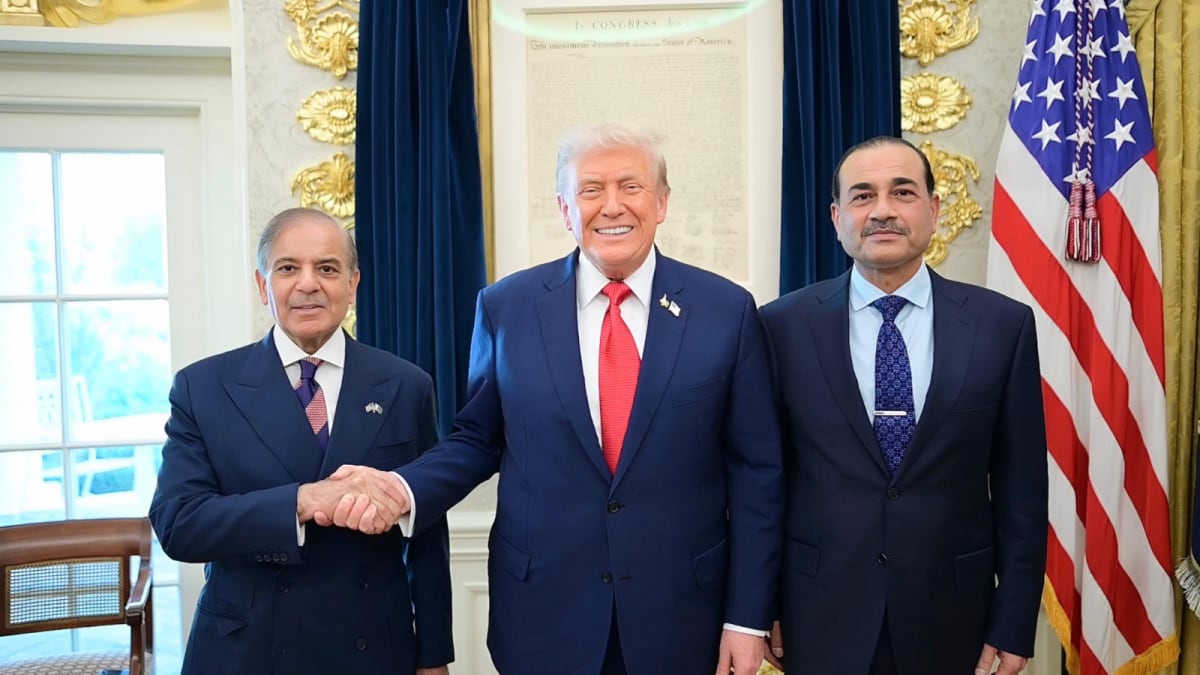
The announcement by Trump late on Tuesday represented an abrupt turnaround from his extraordinary warning earlier, and came after mediation efforts by Pakistan's military chief, Field Marshal Asim Munir, and its Prime Minister Shehbaz Sharif.
Sharif later said in a post on X he had invited Iranian and U.S. delegations to meet in Islamabad on Friday.
The eleventh-hour deal was subject to Iran's agreement to pause its blockade of oil and gas supplies through the strait, Trump said. The waterway typically handles about one-fifth of global oil shipments.
Trump later told the French news agency AFP that it was a "total and complete victory".
"Total and complete victory. 100 percent. No question about it," Trump said when asked if he was claiming victory with the ceasefire.
Israel supported the decision to suspend strikes on Iran for the two-week period, Prime Minister Benjamin Netanyahu's office said. The ceasefire does not apply to Lebanon, it added, in an apparent contradiction to comments from Sharif, who had said the agreement included a cessation of Israel's campaign in Lebanon.
Iran's foreign minister, Abbas Araqchi, said in a statement Tehran would cease counter-attacks and provide safe passage through the waterway, if attacks against it stop.
Meanwhile, Iran's Supreme National Security Council portrayed the deal as a victory over the US, claiming Trump had accepted Iran's conditions for ending hostilities.
(With inputs from agencies)
About the Author
Sanchari Ghosh
Sanchari Ghosh is a Chief Content Producer at Livemint with 12 years of experience. She takes a keen interest in all things news. Before joining LiveMint, Sanchari worked with BloombergQuint, Outlook Money, Times of India & DNA. Off duty, Sanchari is a sports enthusiast at heart and alternates between tennis, football, and cricket.





 English (US) ·