
 5 hours ago
2
5 hours ago
2
ARTICLE AD BOX
Last Updated:April 17, 2026, 12:36 IST
Iran-linked vessels evade a US naval blockade in the Strait of Hormuz by going dark, spoofing tracking data and masking ownership, undermining efforts to choke Iran's oil exports.


Trump imposed the naval blockade on the Strait of Hormuz after US-Iran peace talks collapsed in Islamabad. (Photo: Reuters)
Even as the United States ramps up enforcement around the Strait of Hormuz, Iran-linked vessels are finding ways to slip past the naval blockade by exploiting gaps in tracking and maritime regulations.
Shipping data indicates that several vessels, including sanctioned tankers, have continued transiting the waterway despite the blockade. Maritime analysts say many ships are deliberately avoiding detection by manipulating tracking systems and disguising their identities. Follow for live updates
Ghost Ships Of Hormuz
A key tactic involves disabling Automatic Identification System (AIS) transponders—devices that normally broadcast a ship’s location and identity. By switching them off, vessels effectively “go dark," making them difficult to monitor in real time. Others take it a step further through “spoofing," transmitting false coordinates or destinations to mislead authorities, or even impersonating other ships.
“Now, we are starting to see vessels going dark or using zombie or random identification," Ami Daniel, CEO of maritime intelligence firm Windward, told The New York Times, noting a rise in such practices since the blockade began.
Iran-Linked Ships Use Deception Tactics To Navigate
Some tankers are also tampering with their identification numbers, altering or fabricating the unique codes used to track ships globally. This mirrors tactics previously seen in Russian shipping networks. “Shadow fleet tankers have been experimenting with stateless ID numbers… What the Russians have been doing is altering the numbers," John CK Daly of the Central Asia-Caucasus Institute told the publication.
In addition, vessels are using false flags and layered ownership structures—registered in one country, operated from another, and owned elsewhere—to complicate enforcement.
Together, these methods—going dark, spoofing data, altering IDs, and masking ownership—are allowing Iran-linked ships to navigate one of the world’s most heavily monitored waterways while avoiding interception.
US Blockade Of Hormuz Strait
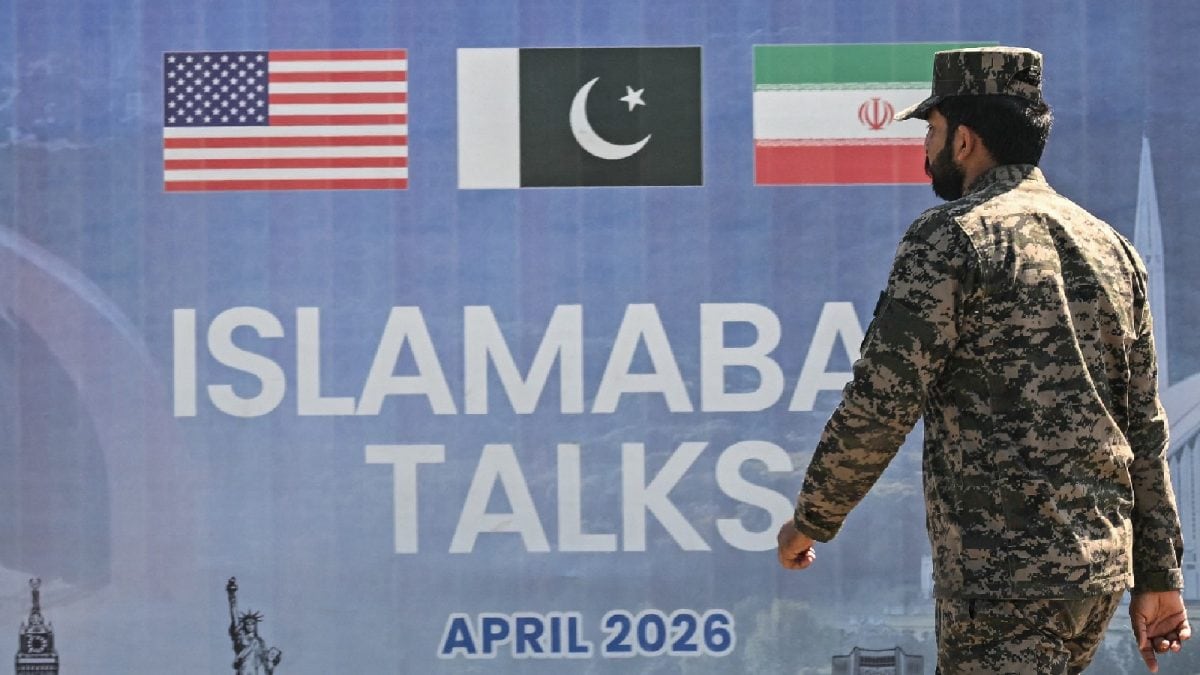
US President Donald Trump ordered a naval blockade of the critical maritime route after peace talks with Iran in Islamabad collapsed. Vice President JD Vance said Washington was countering Iran’s “economic terrorism."
The move aims to choke Iran’s oil exports and weaken its control over a route that carries about 25% of global oil and 90% of India’s LPG imports. Announced on April 12, the blockade was enforced a day later. US Central Command said it involves “more than 10,000 sailors, Marines, and airmen, along with over a dozen warships and dozens of aircraft".
Handpicked stories, in your inbox
A newsletter with the best of our journalism
First Published:
April 17, 2026, 12:36 IST
News world Fake Flags, Zombie IDs, Spoofing: How Iran-Linked Ships Are Evading Trump’s Hormuz Blockade
Disclaimer: Comments reflect users’ views, not News18’s. Please keep discussions respectful and constructive. Abusive, defamatory, or illegal comments will be removed. News18 may disable any comment at its discretion. By posting, you agree to our Terms of Use and Privacy Policy.
Read More





 English (US) ·