
 1 hour ago
1
1 hour ago
1
ARTICLE AD BOX
Last Updated:February 16, 2026, 09:03 IST
Lasting up to 2 minutes and 20 seconds, the annular eclipse will see the Moon cover about 96% of the Sun’s center.
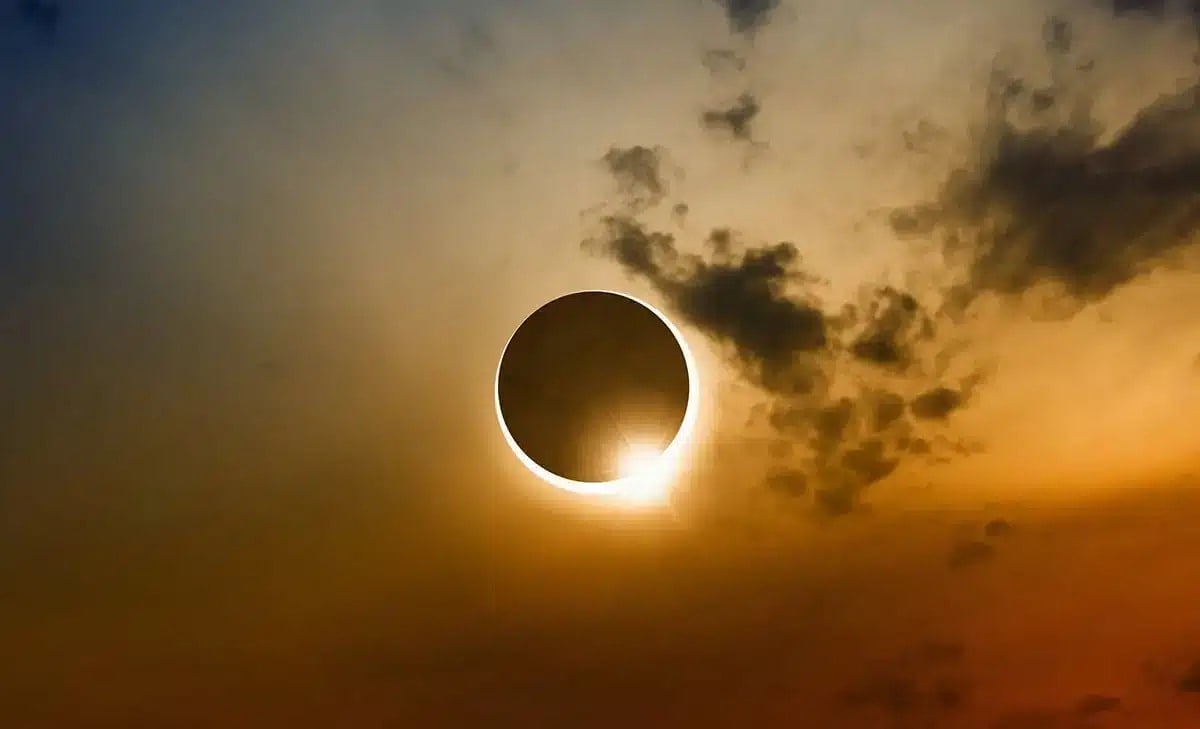
The year 2026 begins with a spectacular celestial event - the first solar eclipse of the year, taking place on Tuesday, February 17. This eclipse is an annular solar eclipse, popularly known as the “Ring of Fire,” where the Moon covers most of the Sun but leaves a thin, glowing ring visible around its edges. Skywatchers across parts of the Southern Hemisphere are preparing for this rare sight, but unfortunately, India will not be in the eclipse’s path.
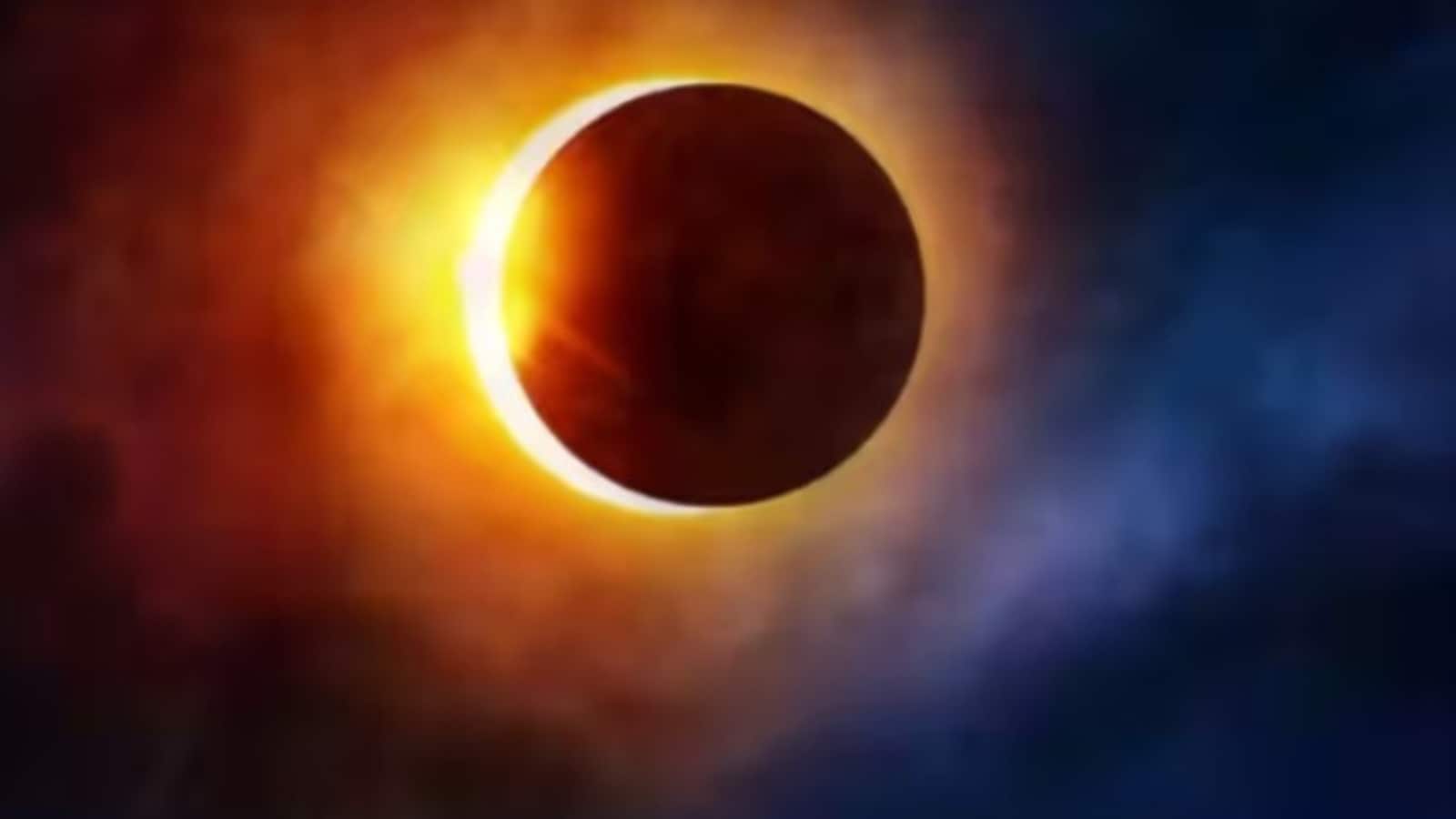
Unlike a total solar eclipse, an annular eclipse occurs when the Moon is at or near its farthest point from Earth. Because of this distance, the Moon appears slightly smaller in the sky and cannot completely block the Sun. Instead, it creates the striking illusion of a dark disk surrounded by a fiery halo. According to NASA, this particular eclipse will last up to 2 minutes and 20 seconds, with the Moon covering about 96% of the Sun’s center.
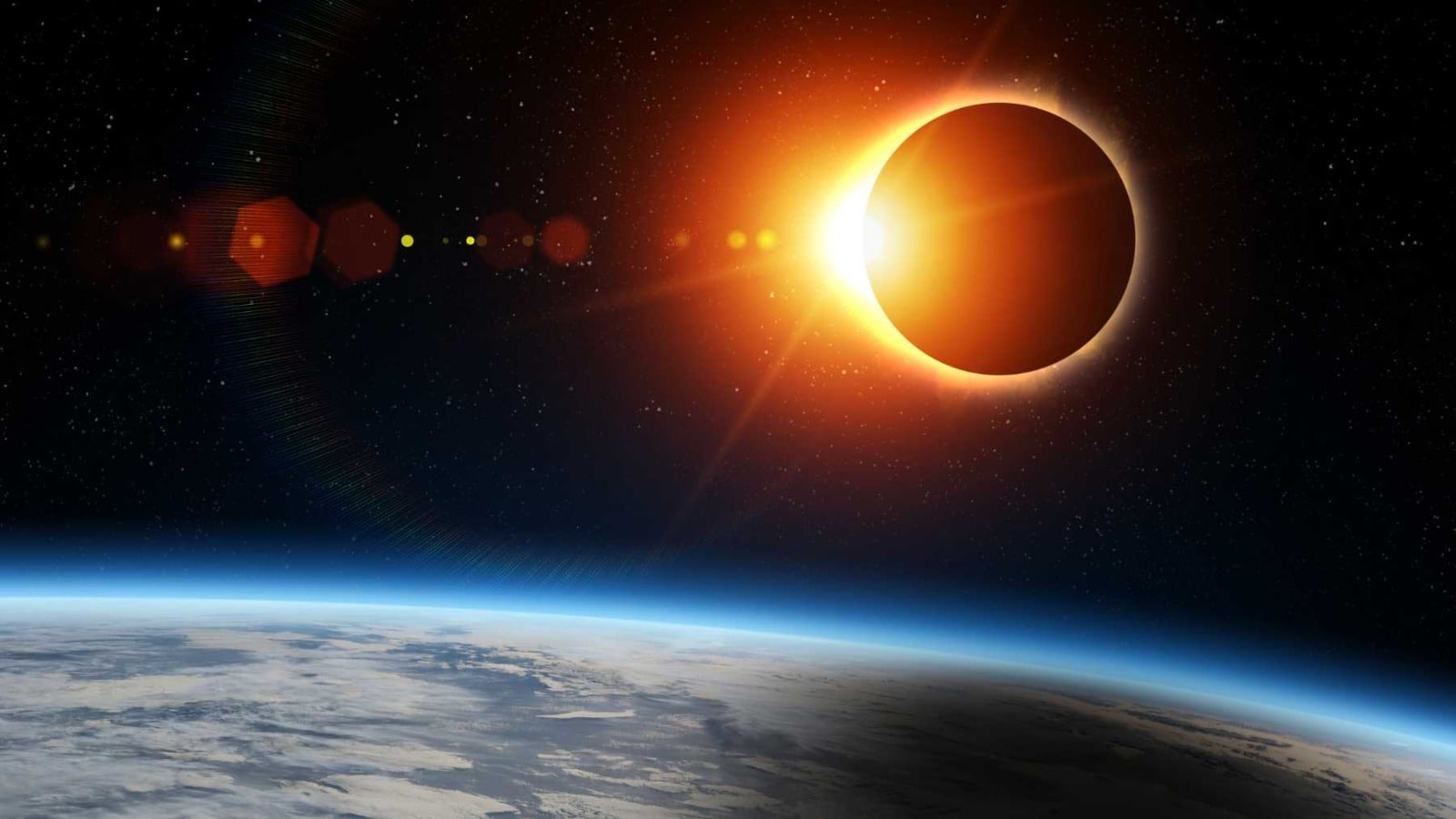
The eclipse begins at 07:01 UTC on February 17. Its maximum visibility will occur over Antarctica, especially at research stations such as Concordia and Mirny. In Southern Africa, countries like South Africa, Tanzania, Zambia, and Zimbabwe will witness a partial eclipse. Parts of South America, including Argentina and Chile, will also experience the phenomenon.
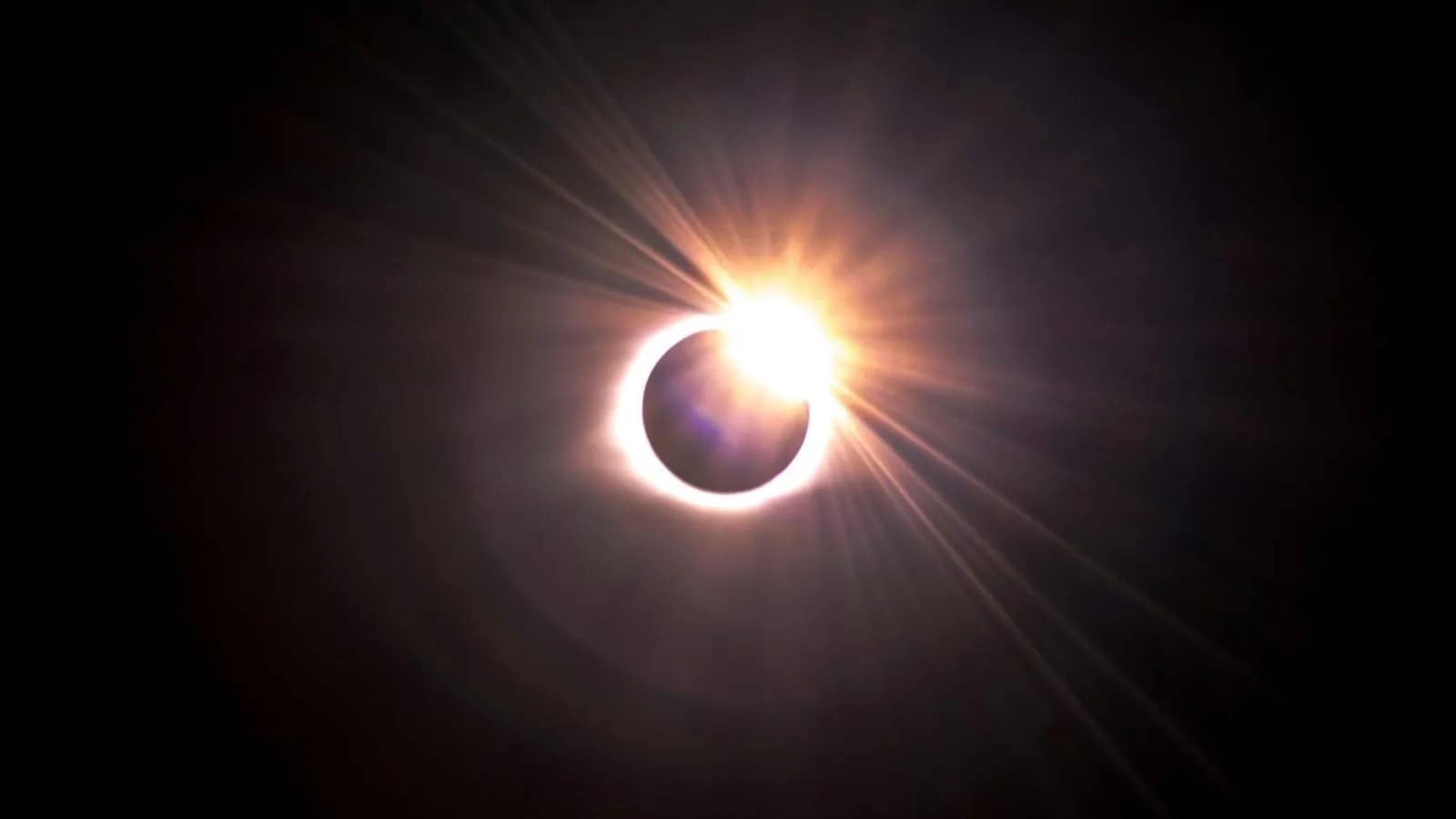
For Indian skywatchers, the disappointment is that the Sun will remain below the horizon during the eclipse. Since the alignment occurs in the Southern Hemisphere, India lies completely outside the Moon’s shadow track. This means that while much of the world will marvel at the Ring of Fire, people in India will not be able to witness it directly.
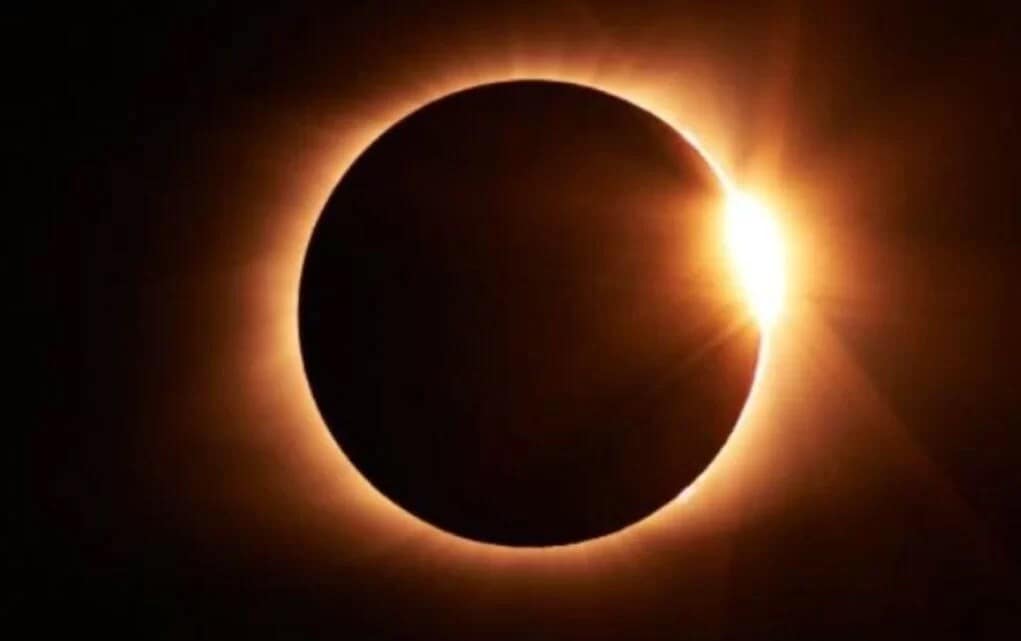
Interestingly, the eclipse coincides with Phalguna Amavasya, a new moon day of religious significance in India. While devotees will observe rituals like Shraddh and Tarpan, the solar eclipse itself will not be visible in the country. For scientists, however, the event offers valuable opportunities to study solar dynamics, atmospheric changes, and the behavior of wildlife in regions like Antarctica, where penguins may be among the few natural witnesses.
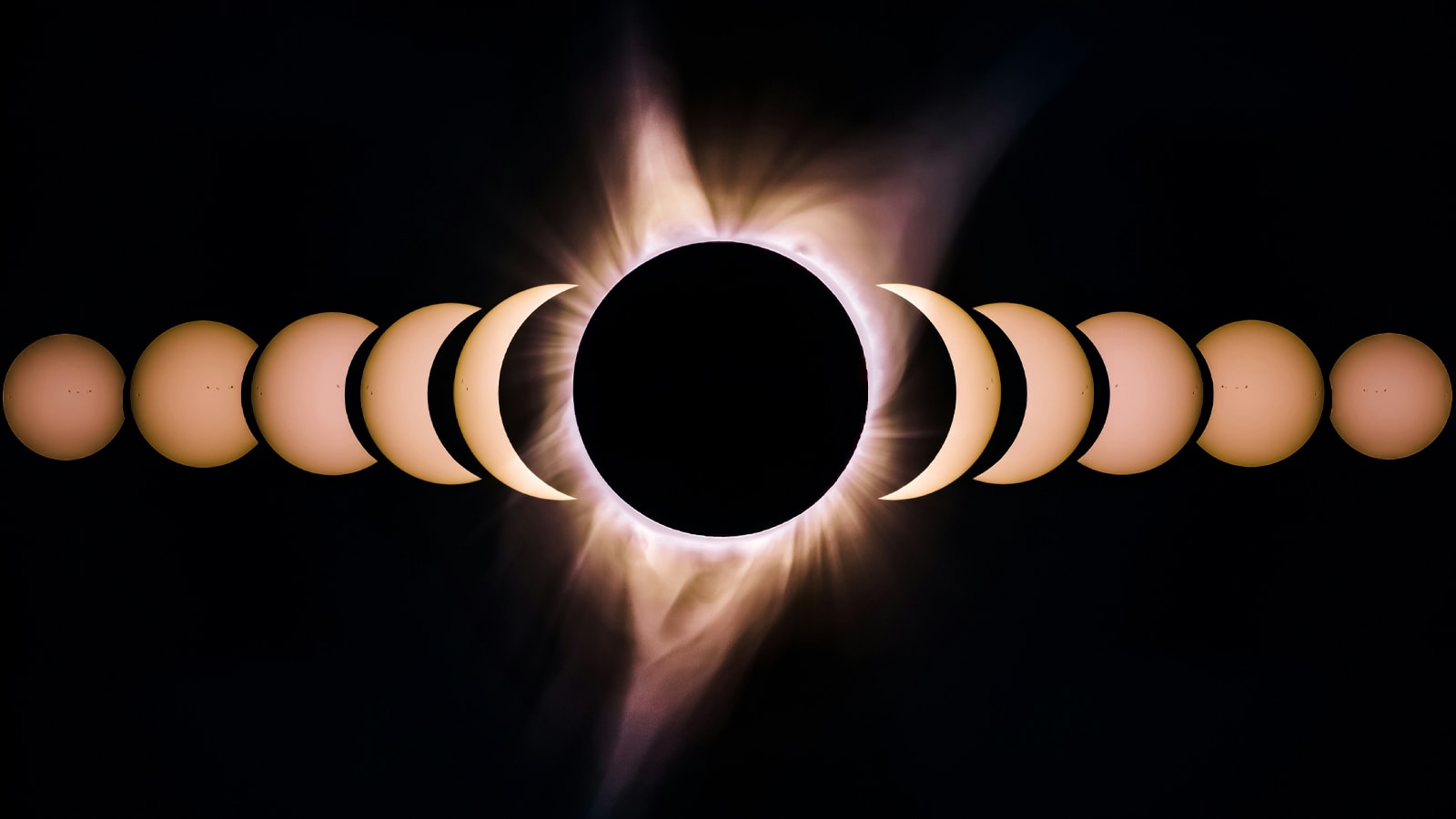
For those in regions where the eclipse is visible, experts strongly caution against looking at the Sun without proper protection. Only ISO-certified eclipse glasses or solar filters should be used. Viewing the Sun directly, even during an eclipse, can cause permanent eye damage.
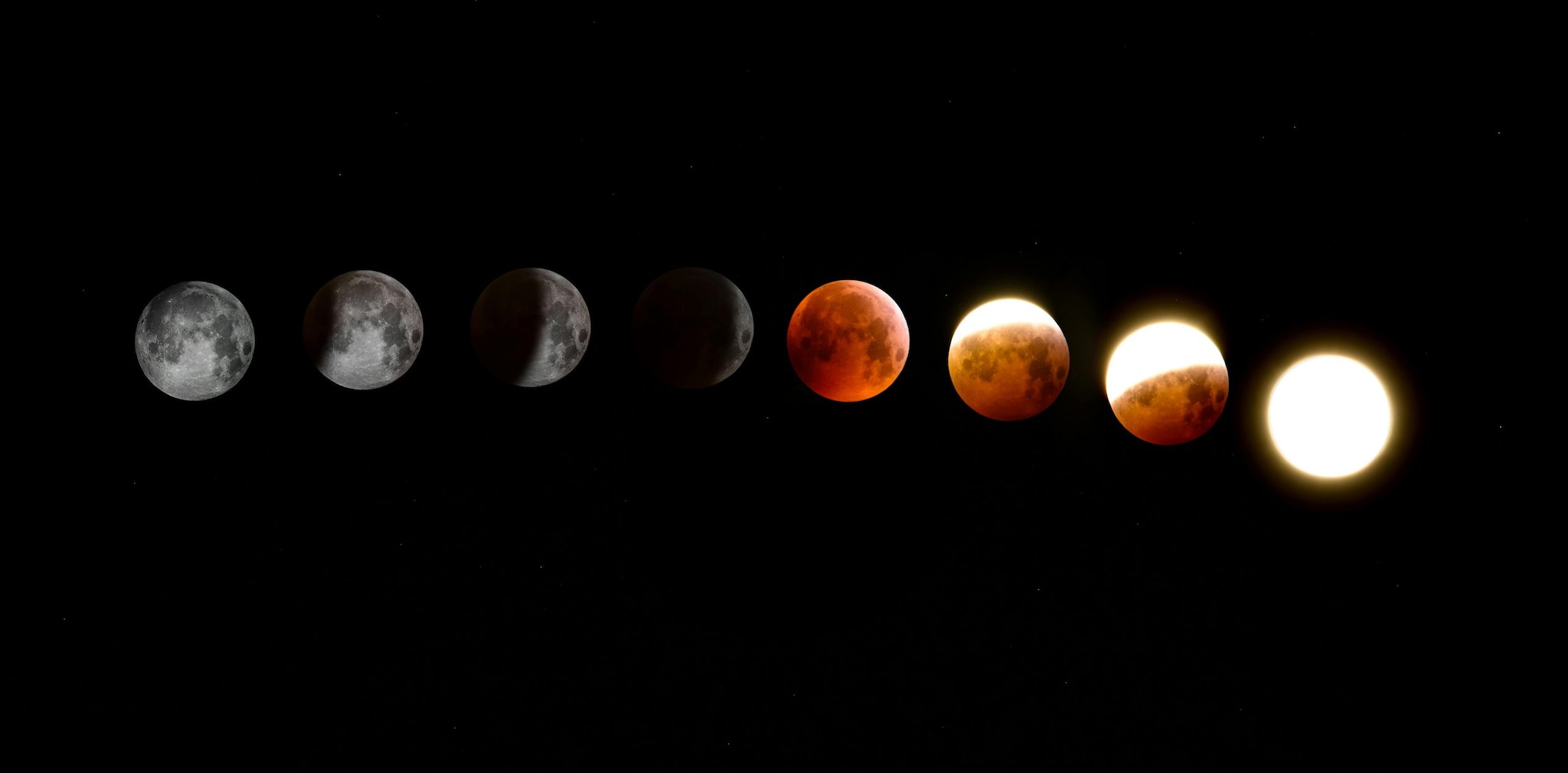
The February 17 annular solar eclipse is a reminder of the grandeur of cosmic alignments. While India will miss this particular spectacle, the country will have opportunities to witness other eclipses later in the decade. For now, Indian enthusiasts can follow live streams and scientific coverage to experience the Ring of Fire virtually, staying connected to a global moment of wonder.
News Photogallery world First Solar Eclipse Of 2026: Will It Be Visible In India? Check Date And Time





 English (US) ·