
 1 hour ago
1
1 hour ago
1
ARTICLE AD BOX
Last Updated:February 28, 2026, 15:15 IST
The operational names, blending biblical, martial, and historic imagery, illustrate how all parties are attempting to shape the narrative of this rapidly escalating war


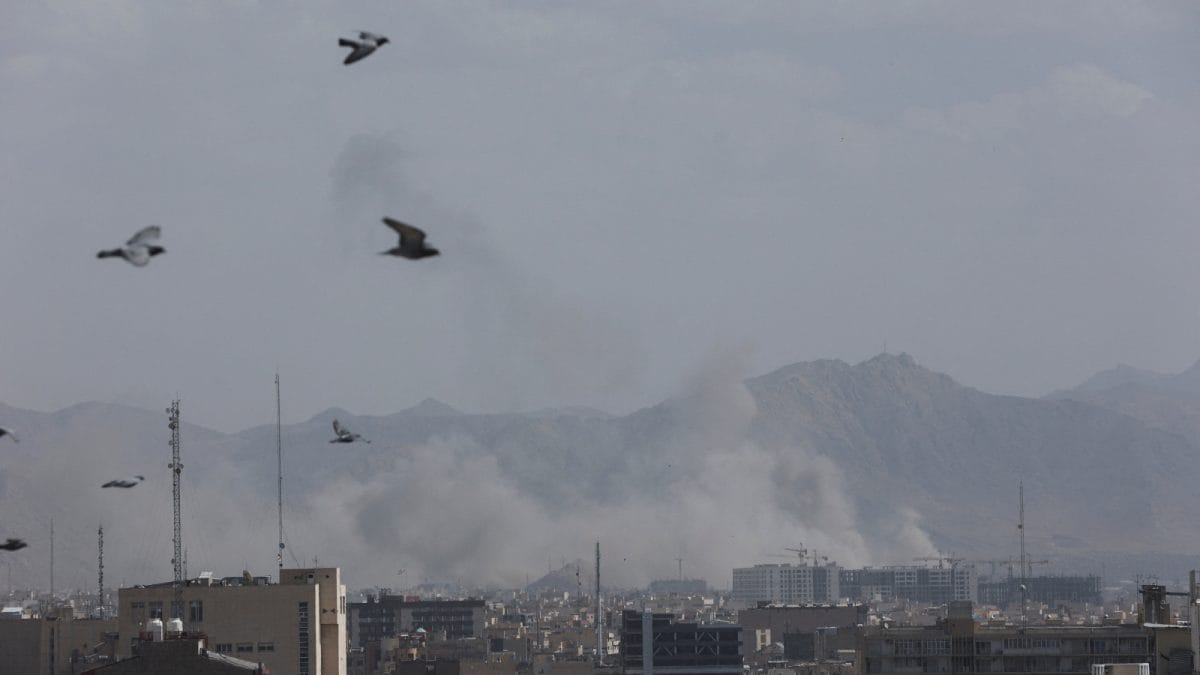
People watch as smoke rises on the skyline after an explosion in Tehran, Iran. (AP)
From Roar of The Lion to Epic Fury and Fateh Khyber—the strikes by the United States and Israel on Iranian territory, and Iran’s subsequent retaliation, are not only in the news for the military campaigns but for the distinct, strategic messages that the nomenclatures of the operations signify.
The attacks came after US President Donald Trump expressed frustration at Iran’s stance in negotiations over its nuclear and missile programmes. Trump said Washington’s goal was “eliminating imminent threats" from Iran, and Israel’s Prime Minister Benjamin Netanyahu said the operation was to remove an “existential threat".
“Operation Roar Of The Lion"
The Israeli government has publicly named its offensive “Operation Roar Of The Lion". The name was chosen by Netanyahu and used to brand the recent pre-emptive air and missile strikes against Iran that began on February 28.
The name replaced an internal codename previously used by the Israel Defence Forces (IDF).
According to The Times of Israel, the lion carries deep symbolic weight in Israeli military culture, often evoking strength, vigilance and historic resilience, and echoes other Israel operation names like “Rising Lion" from earlier conflicts with Iran.
Netanyahu has publicly framed the campaign as necessary to prevent Iran from acquiring nuclear weapons and to eliminate what he described as an existential threat to Israel.
United States: “Operation Epic Fury"
The United States has designated its part of the campaign, including air and missile strikes alongside Israel, as “Operation Epic Fury".
“Epic Fury" was formally named by the US military and announced by President Donald Trump, who described the mission as a major combat operation aimed at dismantling Iran’s military and missile capabilities.
Trump has termed the wider offensive a response to what he and US officials describe as “imminent threats" posed by Iran’s nuclear programme and destabilising regional activities.
Iran: “Fateh Khyber"
Iran’s first wave of ballistic missiles launched toward Israel in retaliation has been tied to an operation name —“Fateh Khyber."
The name invokes historical Islamic military heritage: “Fateh" meaning “conqueror" or “victor" and “Khyber" referencing the Battle of Khyber, suggesting framing of the action as one of defensive triumph and resilience.
In earlier rounds of the Iran-Israel conflict (like in June 2025), Iran named its missile retaliations under “Operation True Promise III."
What These Names Signal in Today’s Conflict
While Lion’s Roar conveys an assertion of strength and warning, meant to project decisive action by Israel against what it deems existential threats, Epic Fury signals an intense, large-scale American military engagement that goes beyond limited strikes, suggesting prolonged operations as needed.
Meanwhile, Fateh Khyber frames Iran’s retaliation not merely as retaliation but as a historic defensive posture rooted in ideological symbolism.
Taken together, these operational names, blending biblical, martial, and historic imagery, illustrate how all parties are attempting to shape the narrative of this rapidly escalating war, as combat continues across multiple fronts and more strikes and reprisals are expected in the coming hours and days.
First Published:
February 28, 2026, 15:15 IST
News explainers From 'Lion's Roar' To 'Epic Fury': The Battle Of Names In The US-Israel-Iran Conflict
Disclaimer: Comments reflect users’ views, not News18’s. Please keep discussions respectful and constructive. Abusive, defamatory, or illegal comments will be removed. News18 may disable any comment at its discretion. By posting, you agree to our Terms of Use and Privacy Policy.
Read More






 English (US) ·