
 (6).png) 6 days ago
3
6 days ago
3
ARTICLE AD BOX
The fuel crisis stemming from the US-Iran conflict is leading countries to adopt work-from-home policies again. Governments, including Thailand and Pakistan, are implementing strategies to conserve fuel and mitigate disruptions caused by rising oil prices and shipping challenges.

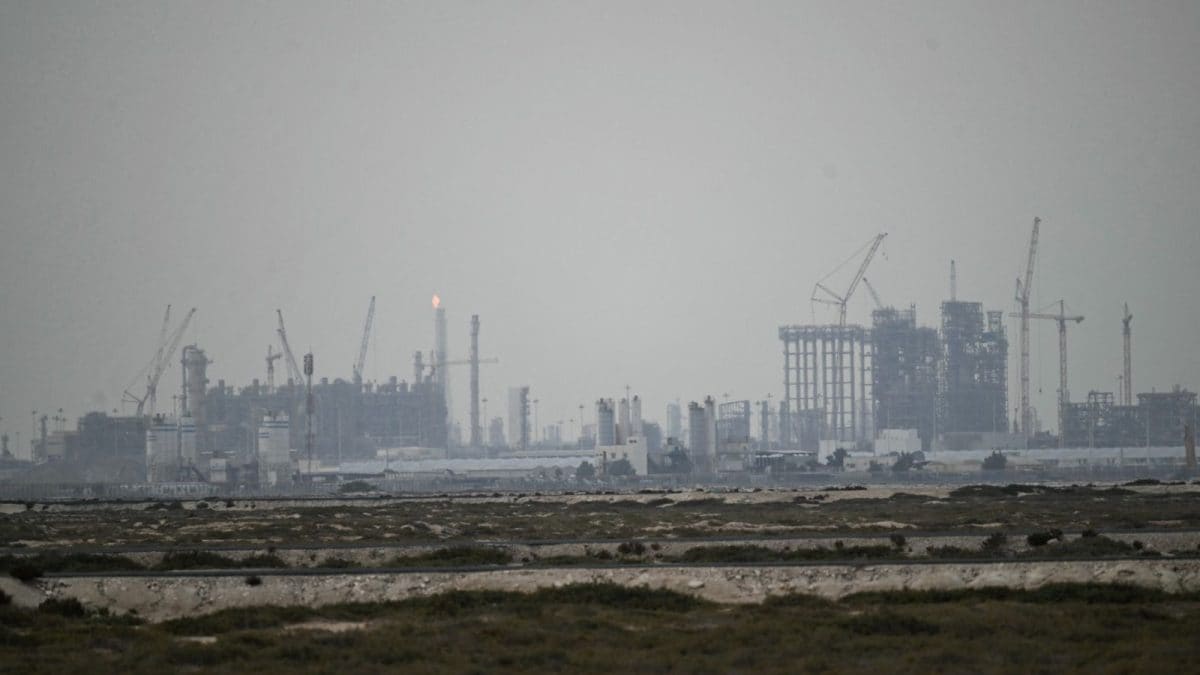
The world is looking at a major fuel crisis triggered by the escalating conflict in West Asia involving Iran, Israel, and the United States. The disruption of the shipping through the Strait of Hormuz, which in normal times accounts for around 20 per cent of global oil and Liquified Natural Gas (LNG) transit, and the Israeli strikes on Iran’s oil infrastructure have caused a sudden spike in prices around the world.
As the US-Iran conflict is into its 12th day, with no clear path in sight for an immediate de-escalation, countries around the world are waking up to the reality of significant disruptions to life as normal.
Work from home is back
Six years after COVID-19 forced the world to work from home, the fuel crisis is forcing many countries to bring it back.
Over the past few days, several countries have brought back work-from-home mandates, urging employees to work remotely to save fuel.
Thailand
On Tuesday, Thai Prime Minister Anutin Charnvirakul ordered civil servants to conserve energy, a government spokesperson said. Other steps to save fuel include suspending overseas trips and using stairs instead of elevators.
"The prime minister ordered that starting from today, civil servants will work from home," spokesperson Lalida Periswiwatana told reporters, adding that exceptions would be made for officials who must serve the public.
Vietnam
On Tuesday, Vietnam's trade ministry called on local businesses to encourage their employees to work from home as part of efforts to save on fuel.
Businesses need to "encourage work-from-home when possible to reduce the need for travel and transportation," the statement said.
Pakistan
Pakistan mandated a four-day work week and WFH for half of the public sector workforce. While key sectors like banking are exempt, the government has strongly recommended similar WFH arrangements for other private industries. Prime Minister Shehbaz Sharif announced these measures to reduce national fuel consumption and protect foreign exchange reserves.
As part of the fuel-saving measures, all schools and universities have been closed for at least two weeks, and educational institutions have been directed to shift to online classes.
As the conflict continues, more countries could adopt work from home to reduce fuel consumption.
LGP shortage in India
While India has not faced any shortage of petrol and diesel so far due to the war, the developments in the Strait of Hormuz have had an impact on LNG shipping to the country.
To address the situation, the Union Government on Tuesday invoked the Essential Commodities Act (EC Act) to stabilize the domestic energy market. The government has prioritized the supply of cooking gas to households, while restricting the distribution of cylinders to commercial establishments, including restaurants.
“There is absolutely no shortage of fuel,” Union Minister Piyush Goyal said on Wednesday.
‘Companies should allow WFH’
Chandrasekar Cuttackam, the Vice President at Wells Fargo, urged companies in India to allow employees to work from home whenever possible.
“Thousands of employees commute long distances every day, burning large amounts of fuel, he said in a post on LinkedIn.
He noted that ff that commuting is reduced, the saved fuel can be redirected to more critical services such as healthcare, emergency response, logistics, and public transport.
According to Chandrasekar, enabling ‘work from home’ is not just a business decision right now. It is an act of corporate social responsibility (CSR) that can make a real difference during the crisis.
Key Takeaways
- The fuel crisis has prompted countries to revisit remote work policies to conserve energy.
- Work-from-home arrangements can help redirect fuel resources to critical services.
- The shift underscores the importance of corporate social responsibility in times of crisis.
About the Author
Bobins Vayalil Abraham
Bobins loves telling the human side of all stories, from the intersection of geopolitics, international relations, and conflicts around the world. In ...Read More






 English (US) ·