
 1 hour ago
1
1 hour ago
1
ARTICLE AD BOX
Last Updated:April 08, 2026, 15:09 IST
Iran may not have decisively “won” the war, but it has converted battlefield pressure into negotiating leverage and retained control over key strategic tools like Hormuz


What Iran has achieved, at least for now, is demonstrated that it can disrupt global oil flows.
The ceasefire between Iran and the United States may have paused immediate hostilities, but early signals suggest Tehran may have walked away with greater strategic leverage. From control over the Strait of Hormuz to its negotiating demands, multiple developments suggest that Tehran may have gained ground, even in the absence of a confirmed agreement on whether both sides have accepted each other’s core demands.
The Hormuz Leverage
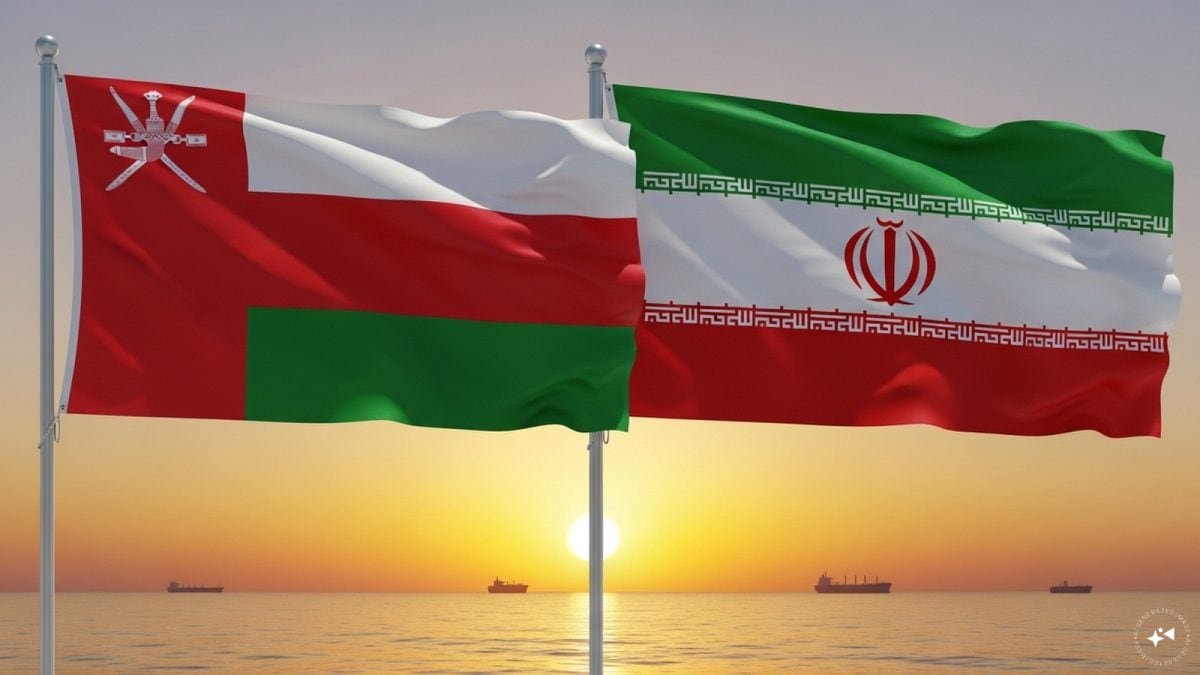
One of the biggest shifts has been around the Strait of Hormuz. According to Reuters, Iran has reopened the strait, but not unconditionally. Its foreign minister indicated passage would be allowed “under Iranian management" for the duration of the ceasefire.
The country has also pushed for the right to impose fees on ships, with charges varying based on cargo and conditions. This suggests a move from free passage to controlled access.
Even critics in the US have flagged the implications. Senator Chris Murphy warned that “given Iran control over a critical waterway… is cataclysmic".
Iran’s Demands Remain Intact
While there’s no confirmation of the exact terms the two sides have agreed on, Tehran has not scaled back its expectations.
According to Reuters, Iran’s conditions include lifting of sanctions, compensation for war damage, and guarantees against future attacks. Iran has also insisted earlier that it prefers a permanent peace over a temporary ceasefire, signalling confidence in its negotiating position.
At the same time, Iranian state messaging has framed the moment as a victory. Reports note that talks are aimed at “confirming Iran’s battlefield achievements", The Guardian reported.
The Lebanon Contradiction
Another sign of Iran’s positioning lies in the confusion over the ceasefire’s scope.
While Pakistan Prime Minister Shehbaz Sharif and some diplomatic channels suggested the truce could extend to Lebanon, Israel has rejected that outright and continues operations. This aligns with Iran’s long-standing stance, given that Tehran has insisted it will not accept arrangements that ignore Lebanon and allied fronts. This also means Iran retains pressure through regional allies without formally escalating the war.
US Narrative Vs Ground Reality
From Washington’s perspective, the ceasefire is being framed very differently.
President Donald Trump called it a “total and complete victory", adding that US would ensure shipping flows and stability in Hormuz going forward.
But the timeline tells a more complicated story: The US agreed to pause strikes just 90 minutes before a deadline for major escalation. Trump himself had earlier warned that “a whole civilisation will die" if demands weren’t met. This shift from escalation to pause suggests mutual pressure and not unilateral dominance.
Given the fragile nature of the ceasefire, analysts and officials caution against declaring a clear winner. The Guardian reported that the Iranian state media itself says talks “do not mean end of war". US officials have also acknowledged that the situation remains fluid and uncertain.
Even political reactions in Washington reflect unease. Many critics described the moment as the US “desperately searching for any sort of exit ramp".
Strategic Takeaway
What Iran has achieved, at least for now, is demonstrated that it can disrupt global oil flows. It has also shown that it can force negotiations without conceding core demands and retain influence across multiple fronts. At the same time, the ceasefire is temporary. Key issues like sanctions, nuclear programme, and regional influence remain unresolved. Even the scope of the agreement (like Lebanon) is contested.
Thus, Iran may not have decisively “won" the war, but it has converted battlefield pressure into negotiating leverage, retained control over key strategic tools like Hormuz, and entered talks without visibly backing down. However, all this comes with a crucial caveat—there is still no clarity on whether both sides have accepted each other’s terms and that will determine who ultimately gains from this ceasefire.
First Published:
April 08, 2026, 15:09 IST
News explainers From War to Leverage: Has Iran Emerged Stronger From the Ceasefire?
Disclaimer: Comments reflect users’ views, not News18’s. Please keep discussions respectful and constructive. Abusive, defamatory, or illegal comments will be removed. News18 may disable any comment at its discretion. By posting, you agree to our Terms of Use and Privacy Policy.
Read More





 English (US) ·