
 1 day ago
2
1 day ago
2
ARTICLE AD BOX
Last Updated:May 07, 2026, 08:18 IST
This simple visual breakdown explains global migration, refugee displacement, migrant workers, and cross-border movement in a way that’s easy to understand.
If the world were made up of just 100 people, global migration patterns would suddenly feel far more personal and easier to understand. This visual breakdown simplifies complex statistics to show how people move, migrate, and seek safety across the world today.
Migration is more than crossing borders; it includes people moving for work, education, safety, or survival. By shrinking the global population to 100 people, the data reveals how common, and uncommon, migration actually is.
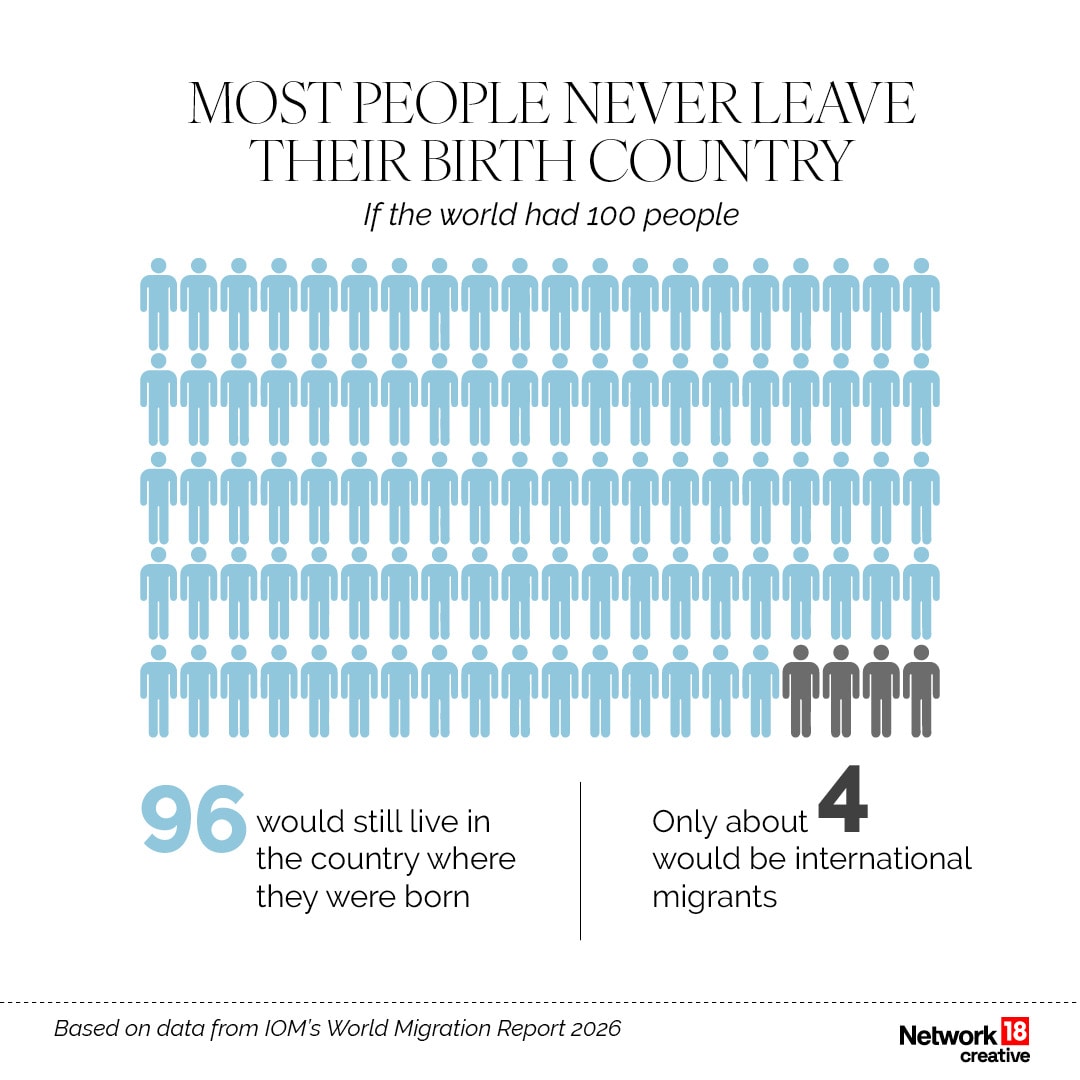
Despite increasing globalization, most people never permanently leave the country where they were born. Only a small percentage of the world’s population lives outside their homeland, showing that migration is still relatively rare globally.
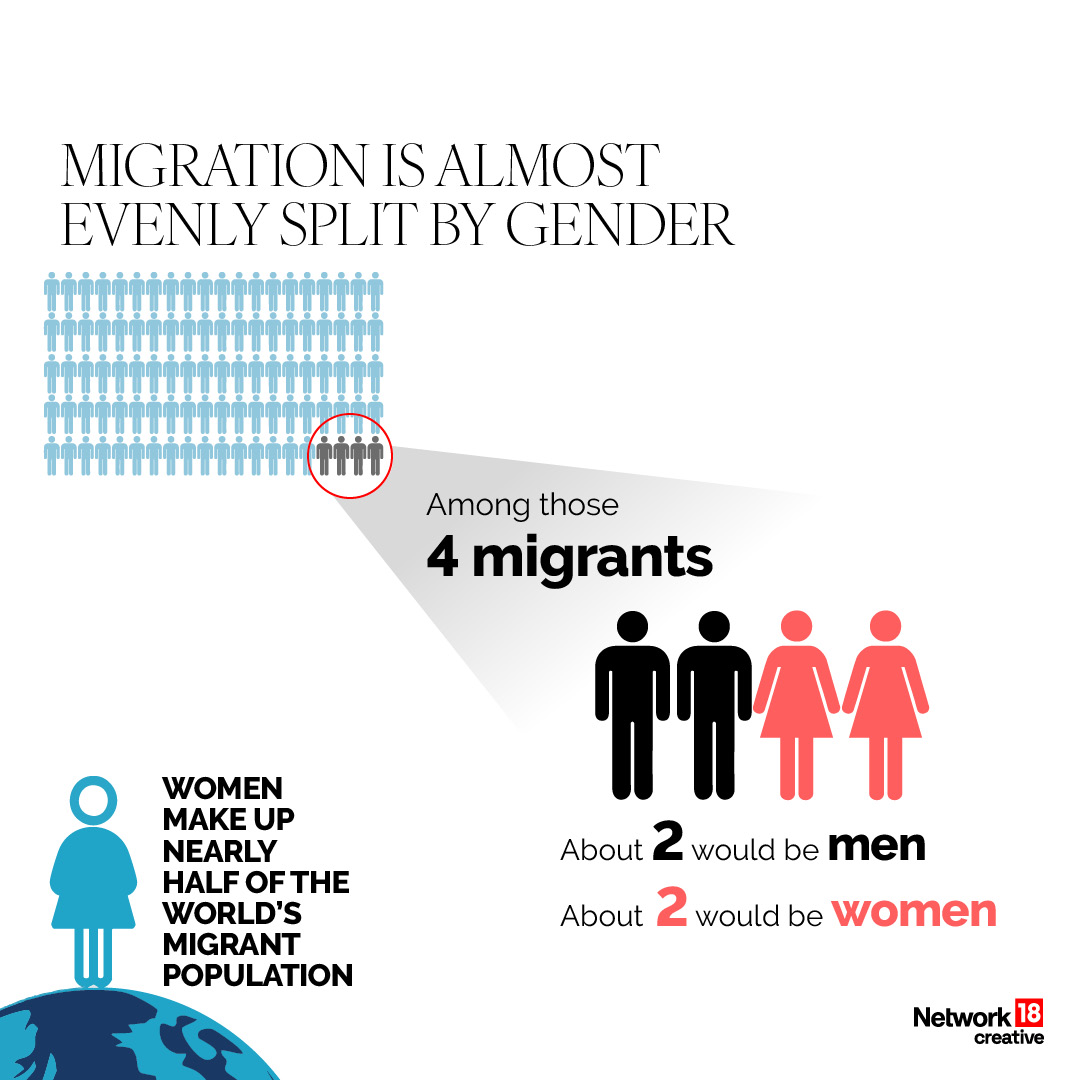
Global migration is not dominated by one gender. Women make up nearly half of the world’s migrant population, highlighting how migration impacts families, workers, and communities across all demographics.
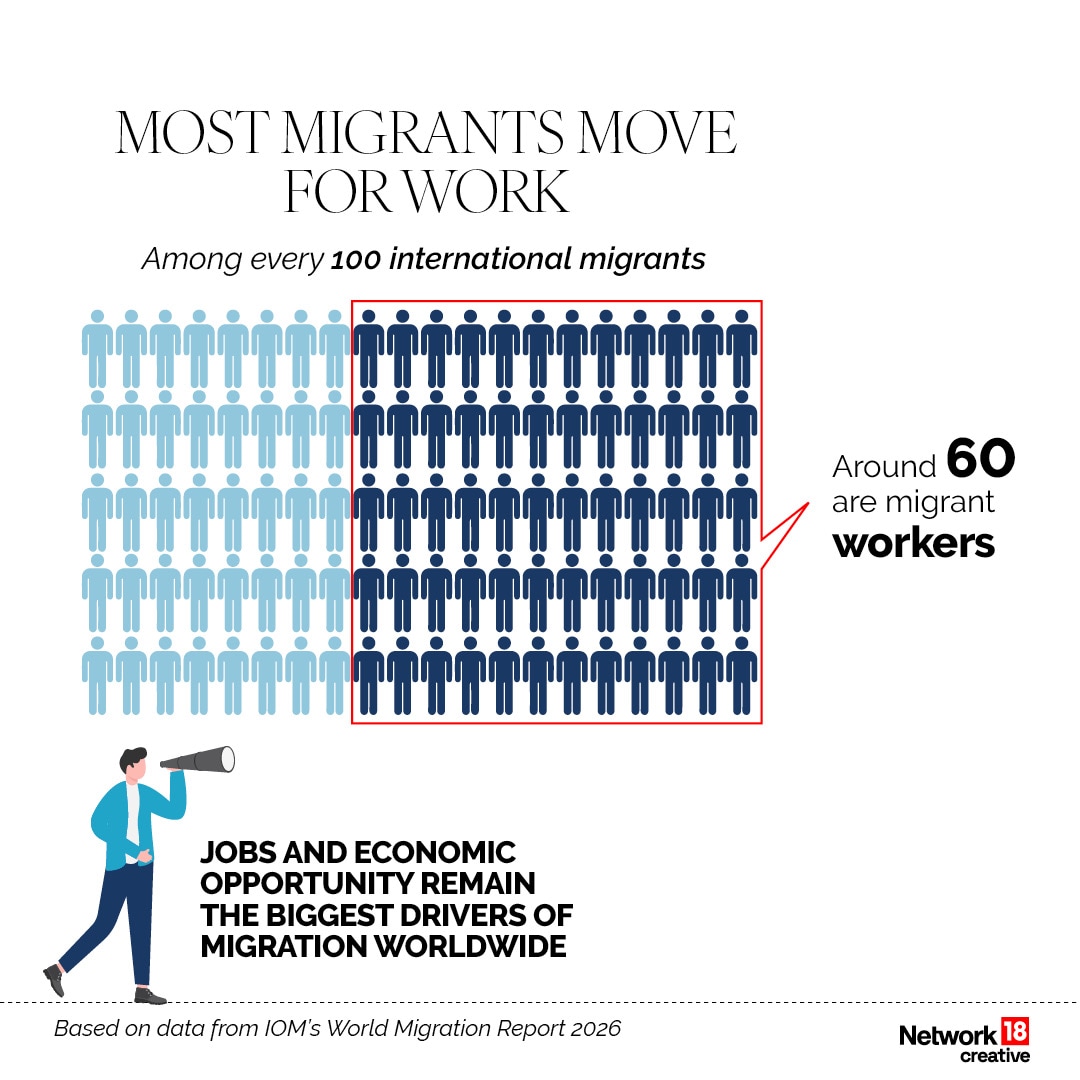
For millions of people, migration is closely tied to economic opportunity. Better jobs, improved wages, and financial stability continue to be the leading factors driving people to move across borders.
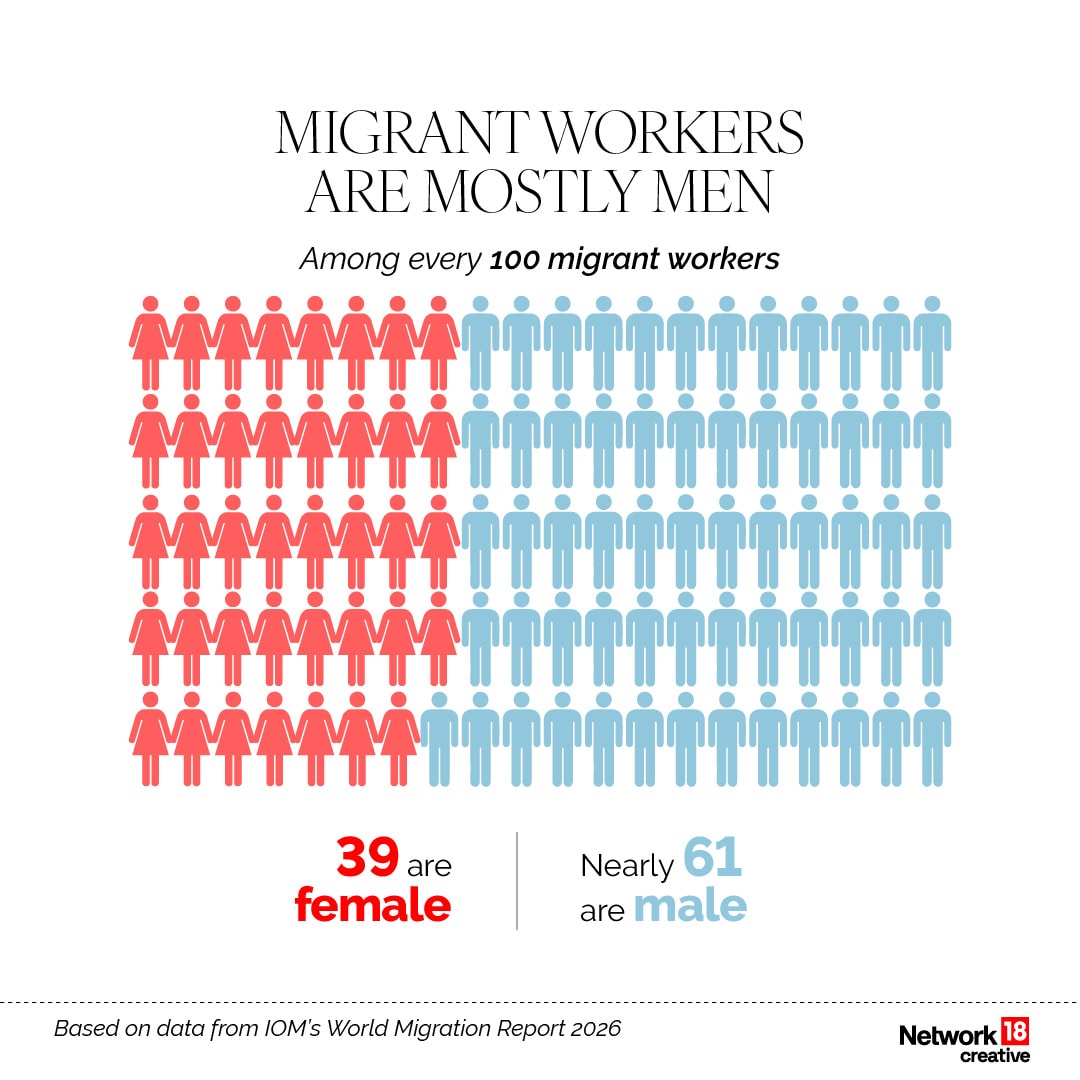
While migration overall is balanced by gender, migrant workers are still largely male. Many men migrate alone in search of employment opportunities, especially in labour-intensive industries and overseas markets.
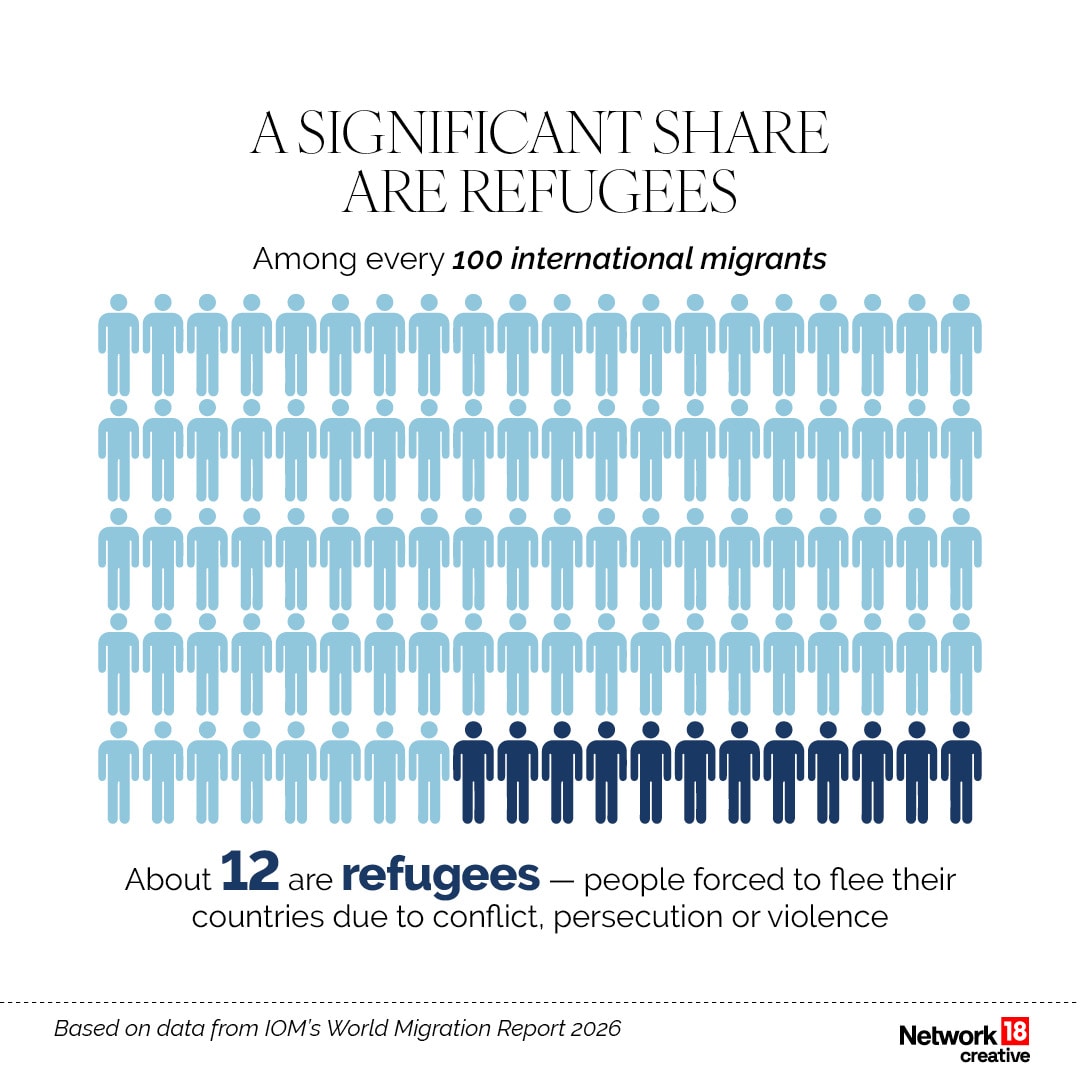
Not all migration is voluntary. A significant number of people around the world are displaced by war, violence, persecution, and humanitarian crises, forcing them to leave their homes in search of safety.
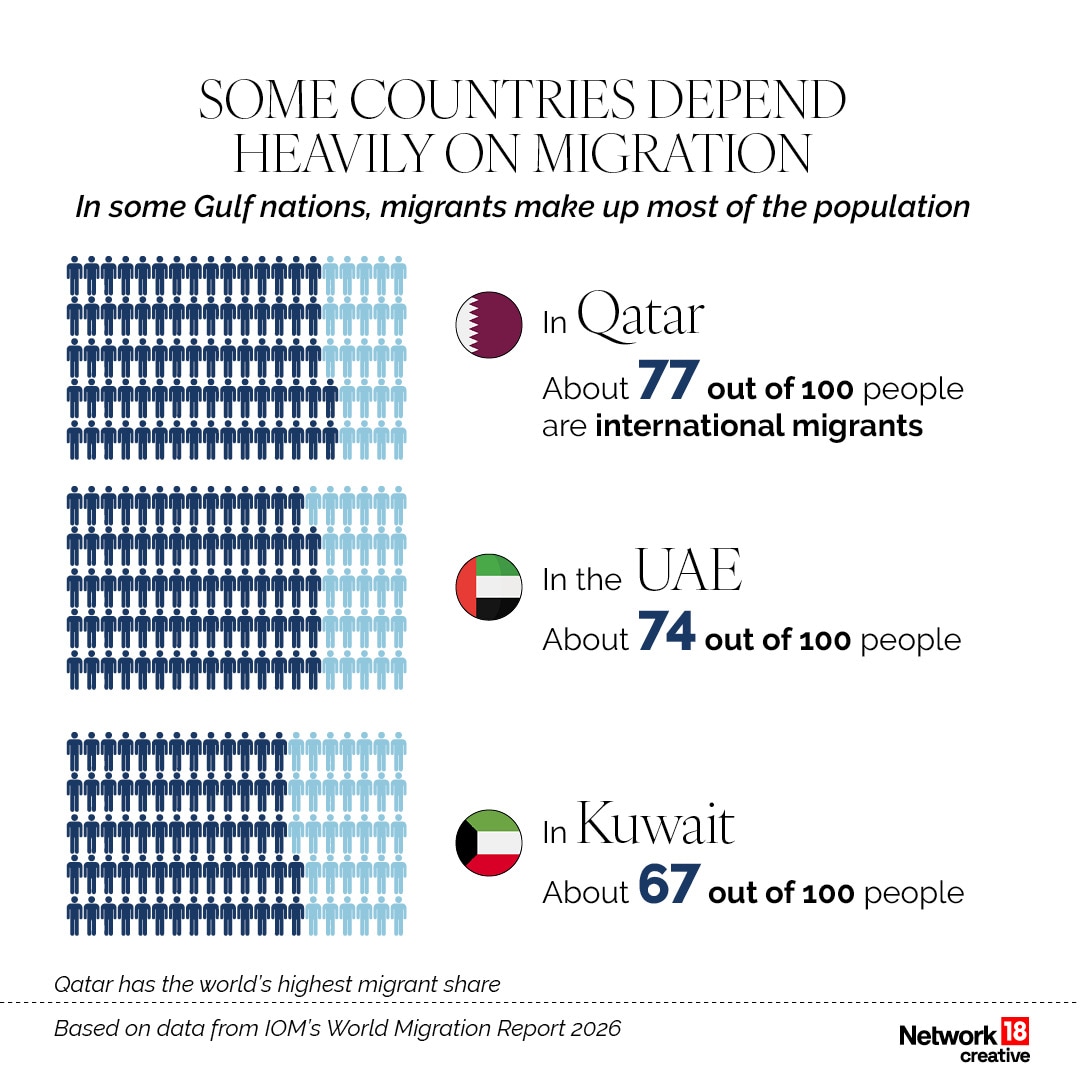
In several Gulf nations, migrants make up a major part of the population and workforce. Countries like Qatar, the UAE, and Kuwait rely heavily on international workers to support their economies and infrastructure.
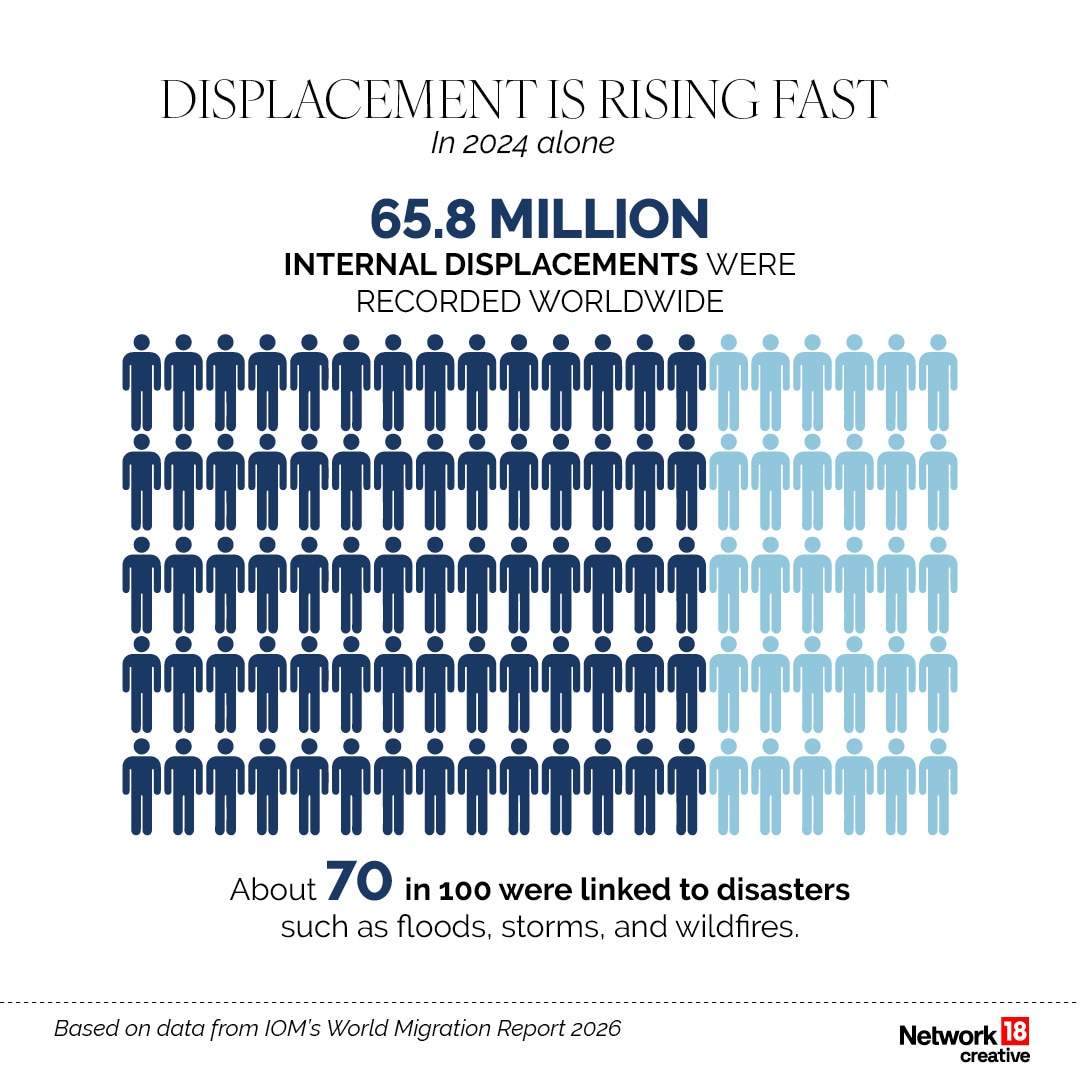
Internal displacement is rising rapidly across the world due to conflicts, floods, storms, and climate-related disasters. Millions are being forced to relocate within their own countries every year because of emergencies beyond their control.
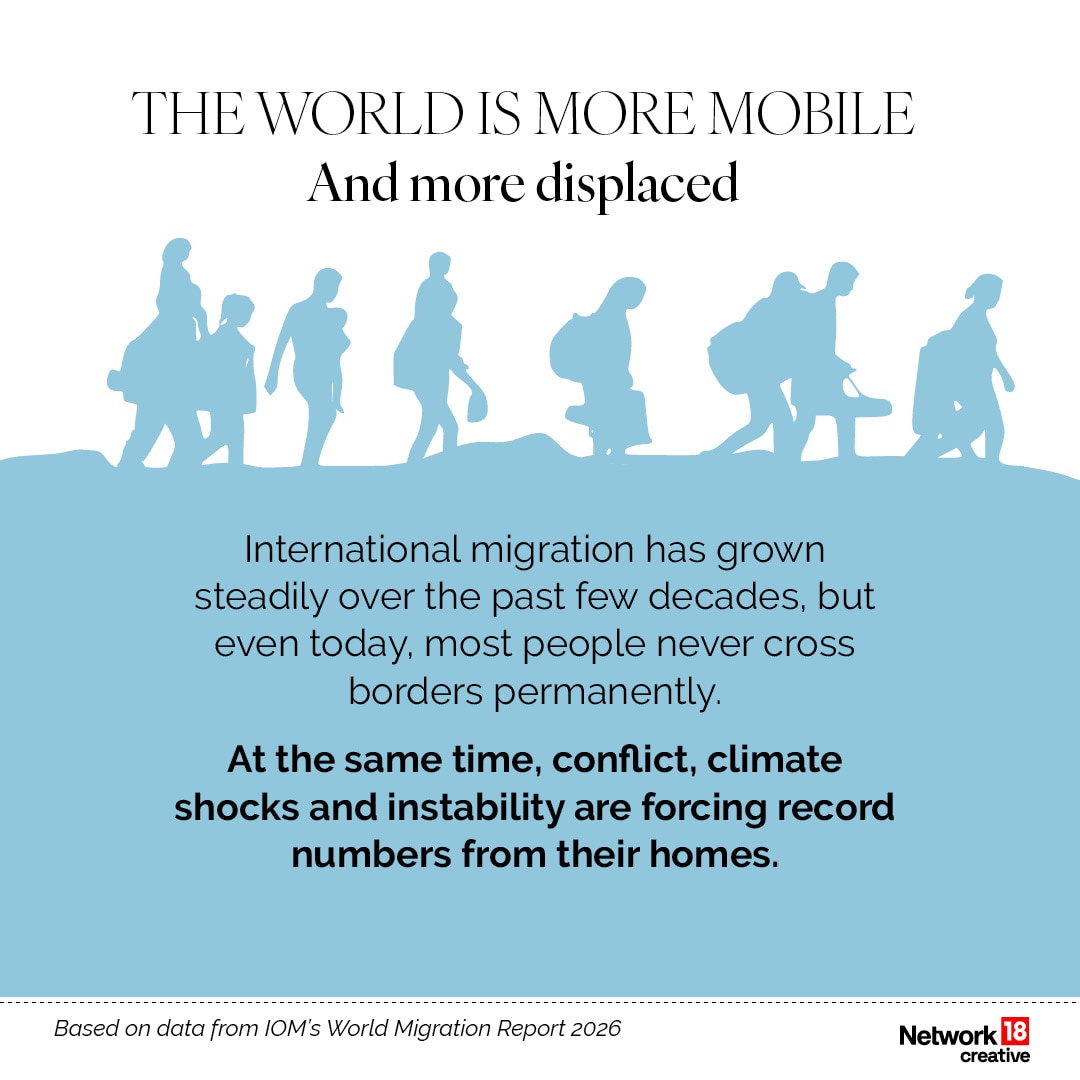
The world today is more connected and mobile than ever before, but movement is not equally accessible to everyone. While some migrate for better opportunities, others are displaced by crises, revealing the inequalities that continue to shape global migration patterns.
News Photogallery world Global Migration Explained: If The World Had Only 100 People | GFX






 English (US) ·