
 1 day ago
1
1 day ago
1
ARTICLE AD BOX
Last Updated:January 13, 2026, 14:21 IST
The BJP and CPC embody two contrasting visions of governance, both influential in shaping Asia’s future.
Political parties shape nations, but their philosophies and structures often diverge dramatically. The Bharatiya Janata Party (BJP) in India and the Communist Party of China (CPC) in China are prime examples. Both are powerful, influential, and deeply rooted in their countries’ histories, yet they represent contrasting approaches to governance. While BJP thrives in a pluralistic democracy, CPC dominates a centralized one-party system. Comparing them offers insights into how ideology, culture, and political frameworks influence national trajectories.
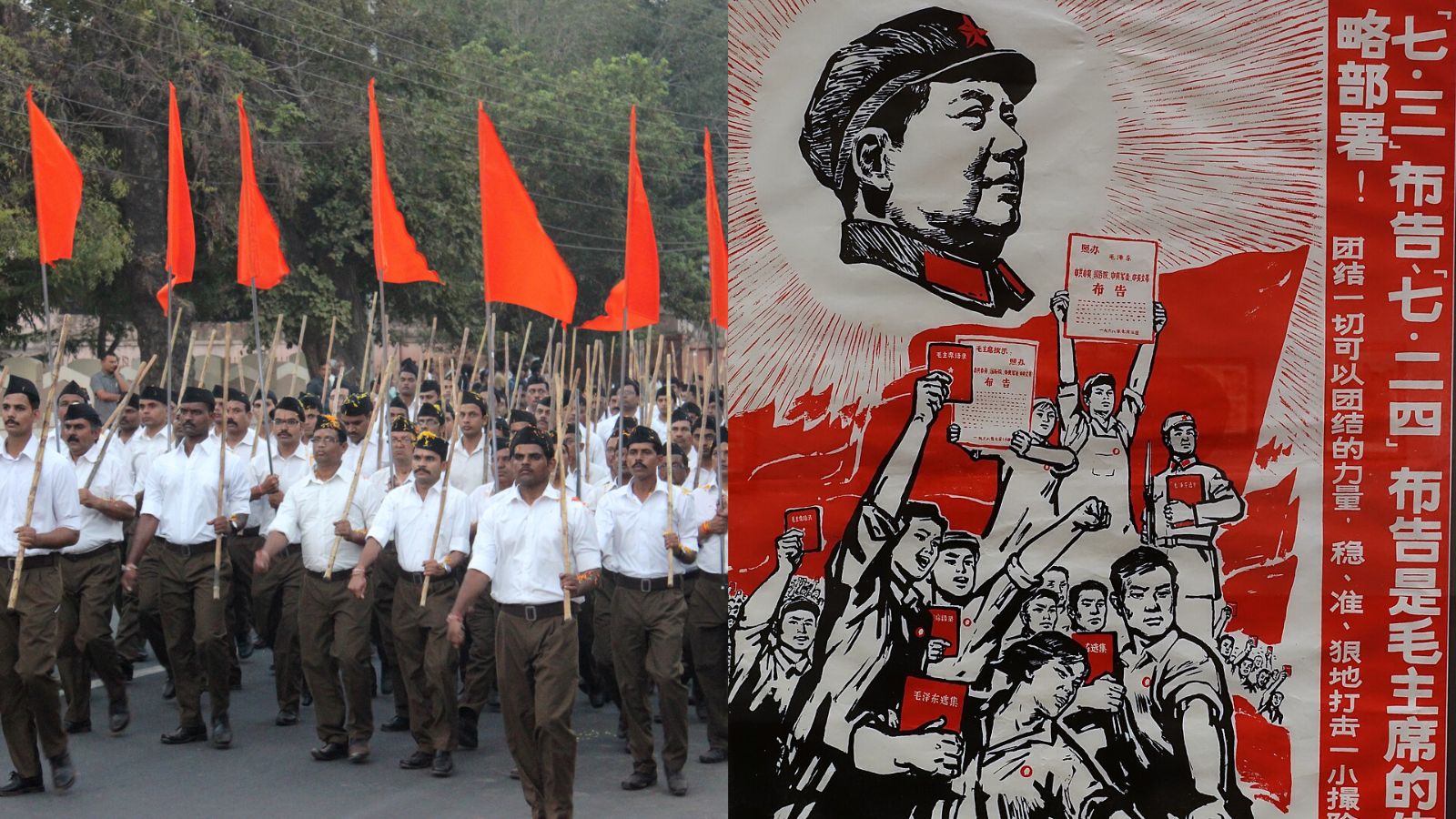
Ideological Foundations: The BJP is built on the principles of Hindutva and nationalism, drawing inspiration from the Rashtriya Swayamsevak Sangh (RSS). It emphasizes cultural identity, economic growth, and strong national security. Its ideology blends conservatism with modern development goals. The CPC, on the other hand, is rooted in Marxism-Leninism and Mao Zedong Thought, later evolving into “Socialism with Chinese Characteristics.” It prioritizes collective ownership, centralized planning, and the supremacy of the party over individual freedoms. Under Xi Jinping, the CPC has reinforced ideological control while embracing selective market reforms.
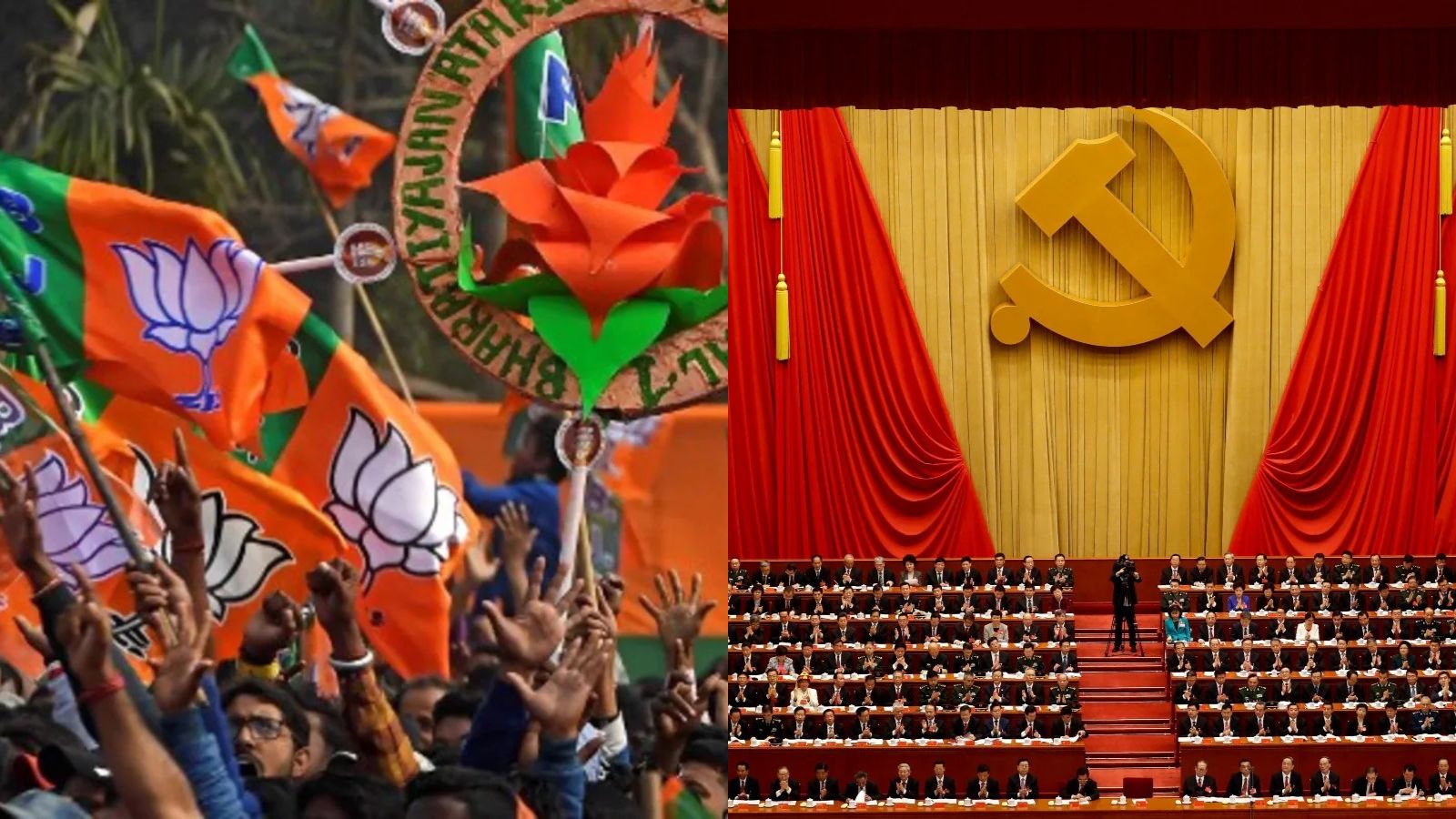
Political Structure: India’s BJP functions within a multi-party democracy, competing in elections against rivals like the Congress Party. It must win electoral mandates to govern, and its policies are subject to parliamentary debate, judicial review, and media scrutiny. The CPC operates in a one-party authoritarian system. It monopolizes political power, controls the military, and suppresses opposition. Leadership transitions are internal, decided by party congresses rather than public elections. The CPC’s dominance ensures policy continuity but limits political pluralism.
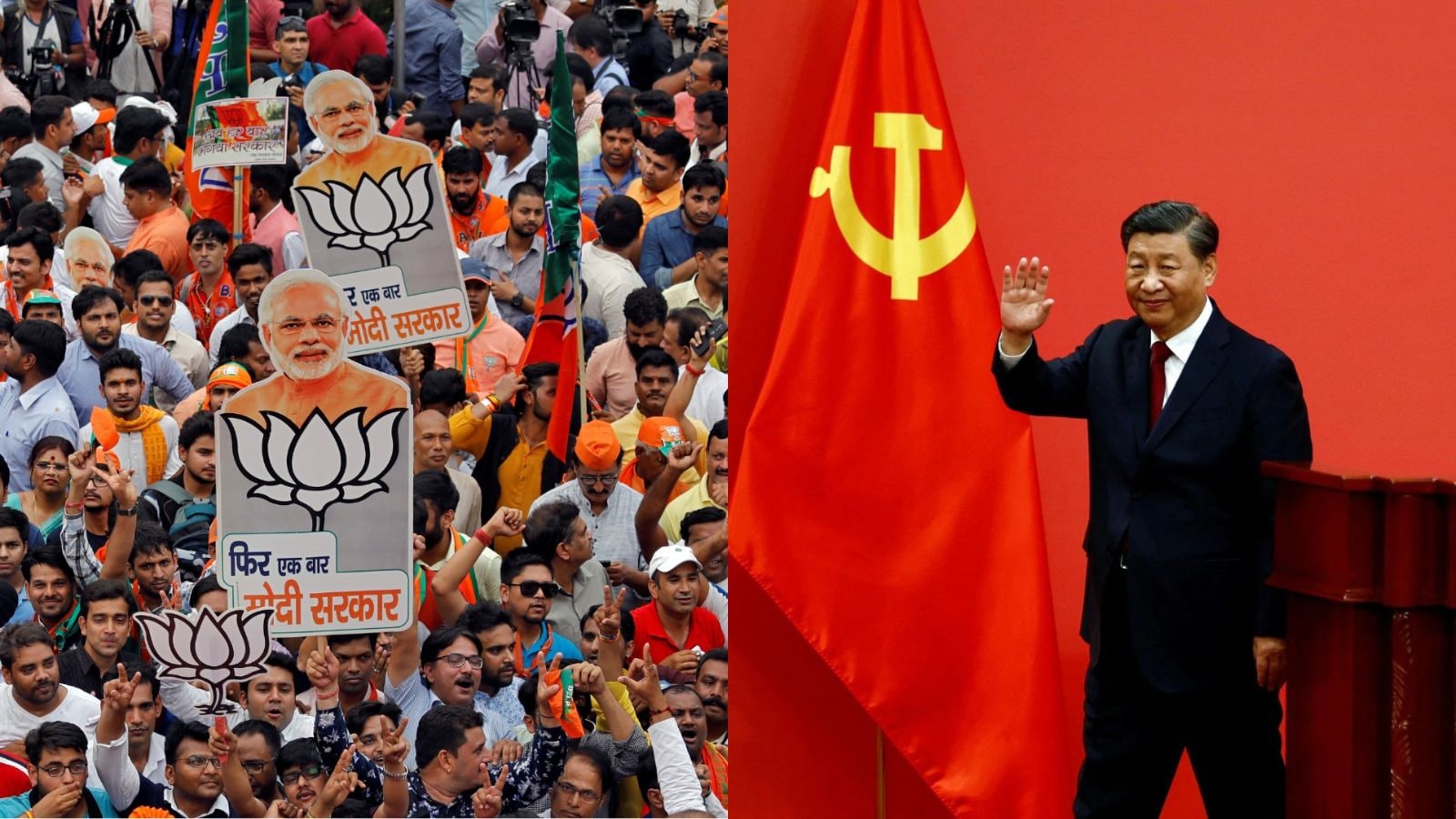
Membership and Reach: Membership is a telling measure of each party’s influence. The BJP has grown into one of the world’s largest political parties, with tens of millions of members across India. Its grassroots network, built through the RSS and affiliated organizations, allows it to mobilize voters effectively during elections. Membership is voluntary, and expansion reflects the party’s ability to connect with diverse social groups in a democratic setting. The CPC, by contrast, is the largest political organization in the world, with over 90 million members. Membership is not just about political affiliation but also about career advancement, social status, and loyalty to the state. Joining the CPC often provides access to opportunities in government, business, and academia. Unlike BJP’s electoral mobilization, CPC membership is tied to governance itself, since the party permeates every level of administration.
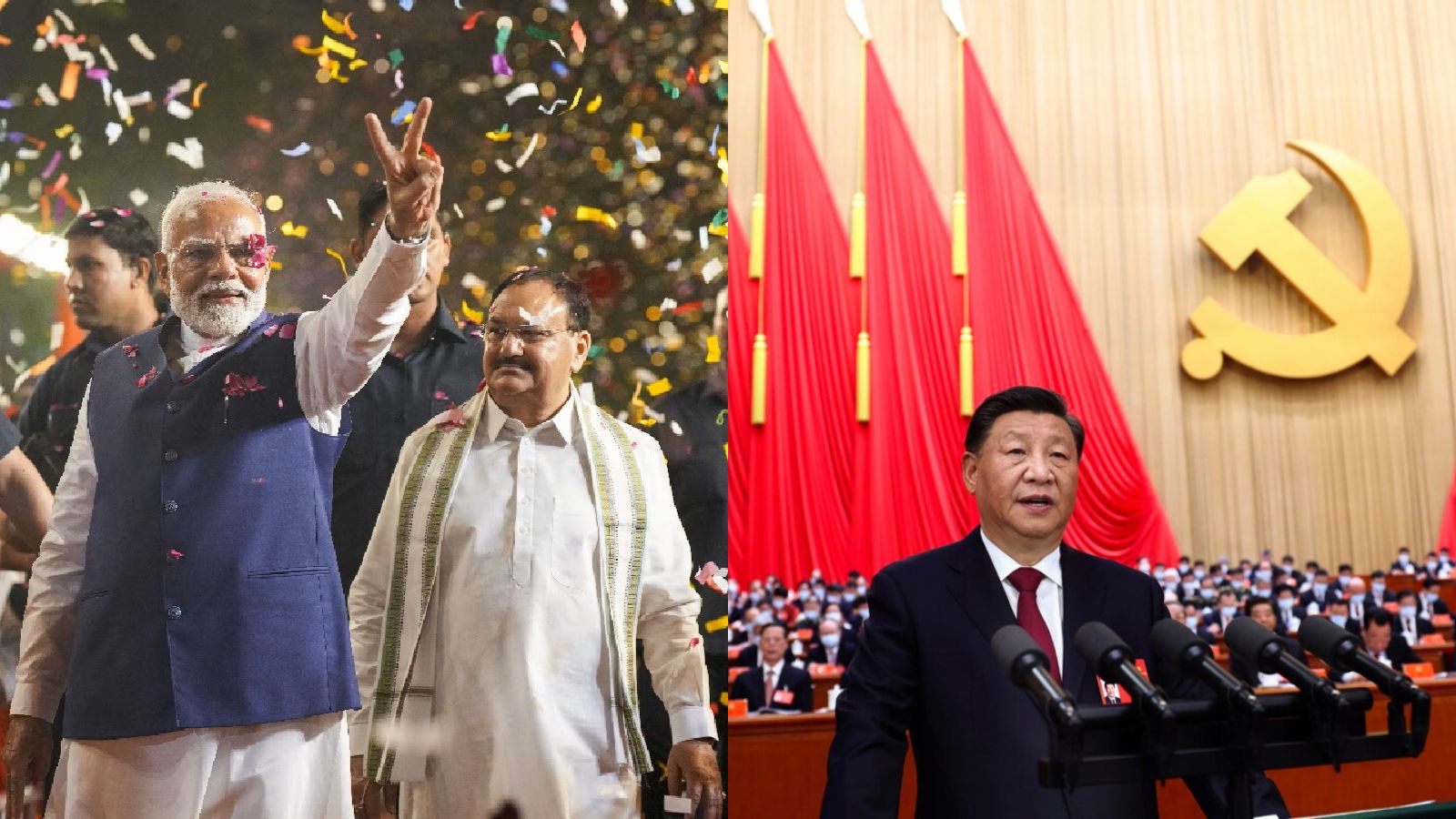
Governance and Policy Approach: BJP-led governments focus on economic liberalization, infrastructure development, and welfare schemes. Initiatives like Make in India, Digital India, and Ayushman Bharat reflect its blend of market-driven growth and social welfare. CPC governance emphasizes state-led development, with massive investments in infrastructure, technology, and global trade. Projects like the Belt and Road Initiative (BRI) showcase China’s ambition to expand influence globally. Unlike BJP, CPC tightly controls media, civil society, and dissent, prioritizing stability over individual freedoms.
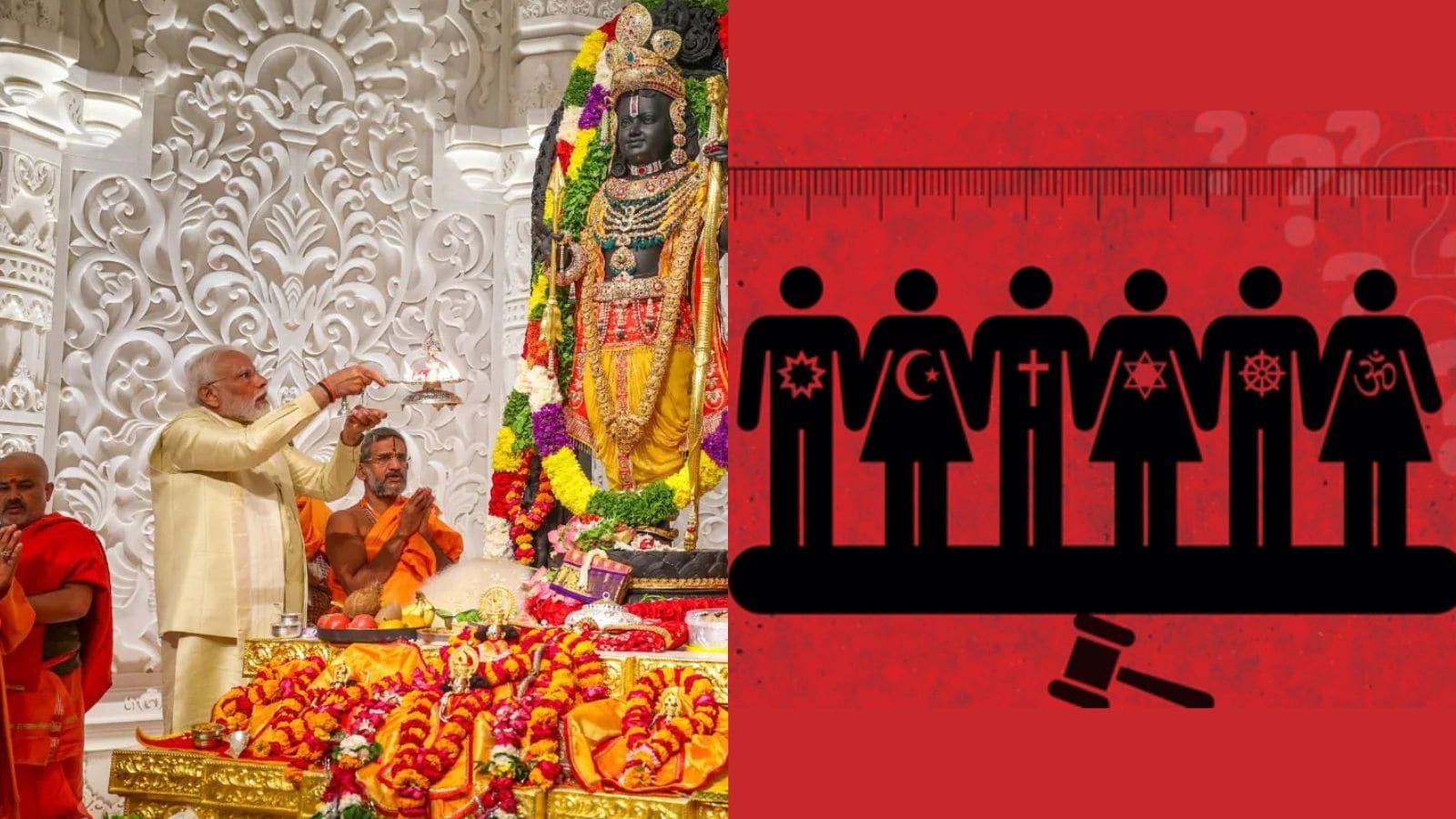
Relationship with Religion and Culture: Religion plays a central role in BJP’s identity. Its policies often highlight Hindu cultural heritage, temple restoration, and religious nationalism. This has sparked debates about secularism and minority rights in India. The CPC, conversely, maintains a strictly secular and often repressive stance toward religion. It regulates religious practices, restricts groups like Falun Gong, and closely monitors Christianity, Islam, and Buddhism. Cultural identity in China is framed through nationalism and party loyalty rather than religion.
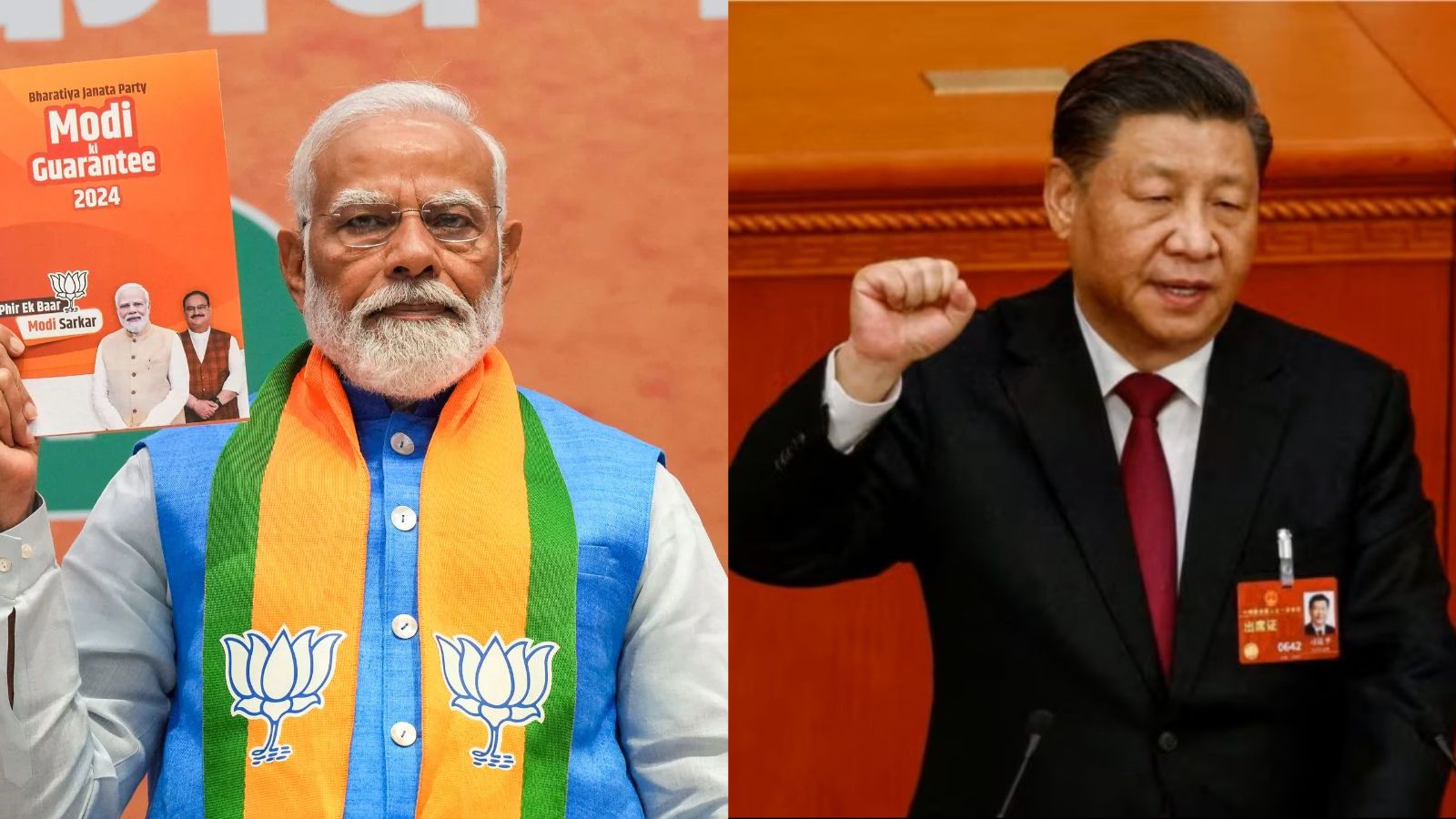
Economic Models: India under BJP pursues a mixed economy, encouraging private enterprise while supporting welfare programs. Growth is uneven, with challenges like unemployment and rural poverty persisting. China under CPC has achieved rapid industrialization and poverty reduction through state capitalism, a hybrid of socialist planning and capitalist markets. The CPC’s centralized control allows for long-term economic strategies, though critics highlight issues like debt, inequality, and lack of transparency.
Global Influence: BJP positions India as a rising democratic power, strengthening ties with the US, Japan, and Europe while balancing relations with neighbors. Its foreign policy emphasizes regional leadership and strategic autonomy. CPC projects China as a global superpower, expanding influence through trade, technology, and military strength. Its assertive stance in the South China Sea and partnerships in Africa and Latin America reflect ambitions beyond Asia.
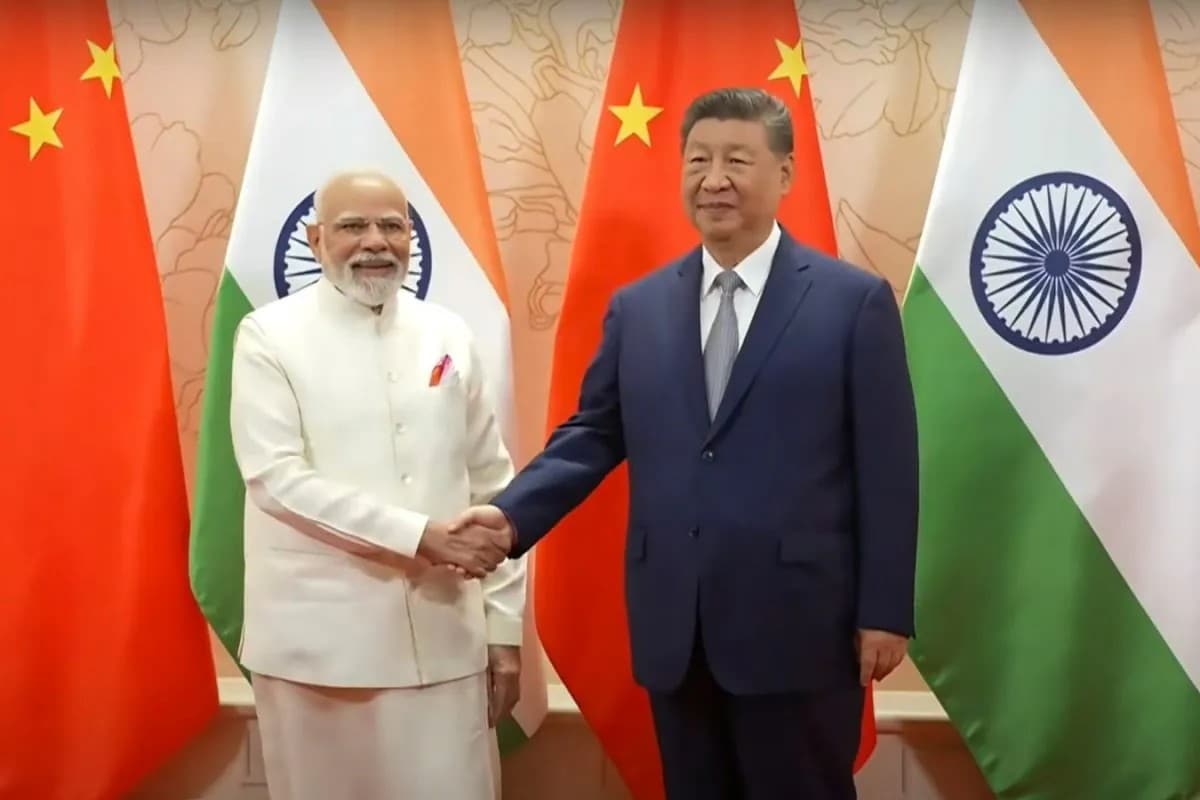
The BJP and CPC embody two contrasting visions of governance. BJP thrives in a competitive democracy, balancing nationalism with development, while CPC dominates a centralized one-party state, prioritizing control and global expansion. Both parties have shaped their nations profoundly, but their differences highlight the diverse ways political power can be exercised.





 English (US) ·