
 4 hours ago
1
4 hours ago
1
ARTICLE AD BOX
Last Updated:March 19, 2026, 13:59 IST
Experts say the blackout is a move towards the “digital control” strategy, where the state prioritises surveillance and management of information over free flow of communication


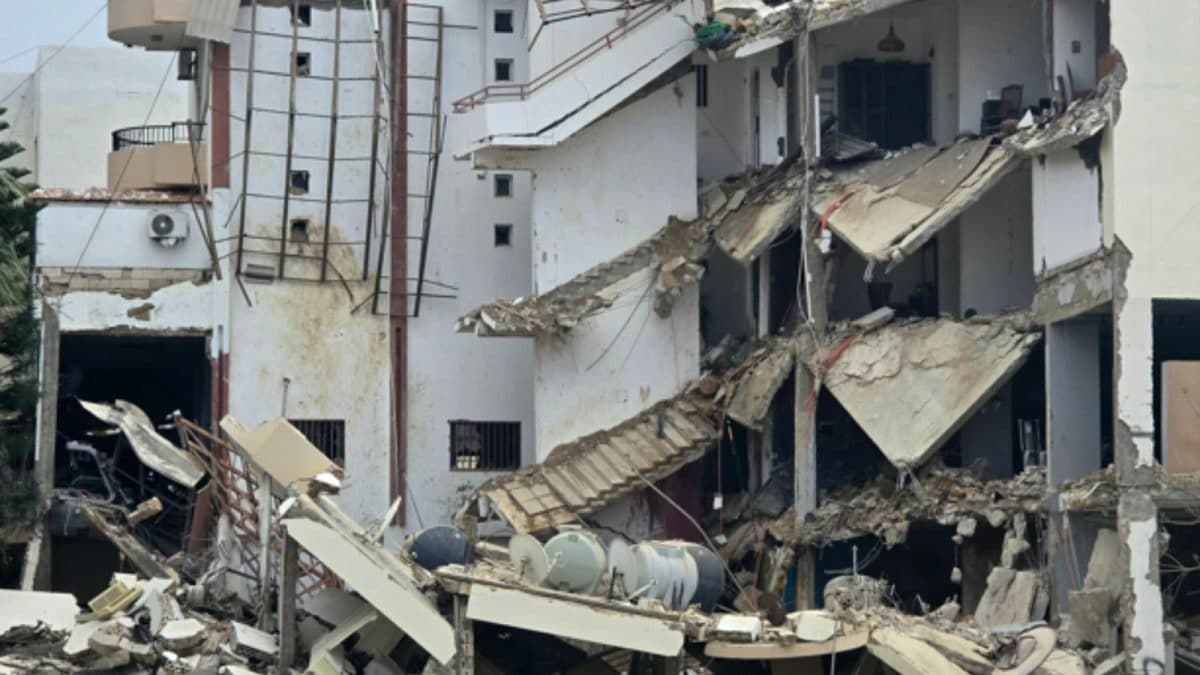
The blackout began soon after US-Israel strikes in late February and has continued deep into the conflict, with watchdogs warning that restrictions are still tightening. (AI-Generated Image)
As bombs fall and tensions escalate, millions of Iranians are facing another, quieter disruption: a near-total internet blackout that has cut the country off from the world. What started as a war measure has now lasted weeks, sparking concerns about censorship, safety, and the control of information.
Iran’s shutdown is among the most severe in recent years. Monitoring groups, including the Human Rights Watch, say internet connectivity dropped to as low as 1-4 per cent of normal levels, effectively plunging the country offline.
The blackout began soon after US-Israel strikes in late February and has continued deep into the conflict, with watchdogs warning that restrictions are still tightening.
Speaking to The New York Times, Doug Madory, director of internet analysis at Kentik—a company that measures internet network performance—said he expected that “about 99 per cent of Iranians do not have regular access to the internet".
The government says the move is about security and wartime control, but experts point to deeper reasons.
According to reports from The New York Times and The Guardian, the authorities aim at blocking the leak of sensitive information, restricting coordination among protesters, and managing the flow of information during the war.
According to experts cited in The Conversation, the blackout has the effect of placing the civilian population “in the crosshairs" as they are denied access to life-saving information and communication. However, human rights groups claim that the move has traditionally been used by the Iranian government as a way of concealing crackdowns and restricting dissent.
According to experts, the blackout is a move towards the “digital control" strategy, where the state prioritises surveillance and the management of information over the free flow of communication.
However, Iran’s foreign minister, Abbas Araghchi, defended the blackout in an interview with CBS News, saying the move was due to “security reasons" and “in any country, there are urgent measures taken for the sake of war." Speaking via Zoom, Araghchi, when asked about the disparity in access to the internet, said: “I’m the voice of Iranians and I have to defend their right."
Yet, people are finding ways to communicate. According to reports by Hindustan Times, people are using satellite internet devices, although most of them have been confiscated. Others are using radios and landlines. People are also using other informal networks to communicate and exchange information, although this is limited and risky. The government has reportedly cracked down on the use of Starlink and other communication networks, threatening severe punishment for those who are using them.
GROWING VACCUM
The blackout is not just about connectivity; it has real-life implications. Families cannot reach their loved ones, access to emergency information is limited, and journalists and aid groups face difficulties verifying information.
According to an AP report, the blackout has meant that voices within Iran have been silenced, and outside voices have dominated, leading to potential misinformation. Experts have pointed out that cutting off communication in a war situation makes people more vulnerable, not safer.
Iranians, with limited access to global networks, are being forced to rely on state-controlled networks and messaging services. This creates an information vacuum, with limited independent reporting, state control of information, and potential misinformation.
Fatemeh Shams, an Iranian poet and professor living in exile in Philadelphia, sums up the predicament in a conversation with The New York Times. “Iranians are facing two wars: one external and one internal war with the regime through the information siege."
First Published:
March 19, 2026, 13:59 IST
News explainers ‘Information Siege’: Nearly 99% Iranians Cut Off From Internet Amid War
Disclaimer: Comments reflect users’ views, not News18’s. Please keep discussions respectful and constructive. Abusive, defamatory, or illegal comments will be removed. News18 may disable any comment at its discretion. By posting, you agree to our Terms of Use and Privacy Policy.
Read More






 English (US) ·