
 1 hour ago
1
1 hour ago
1
ARTICLE AD BOX
Last Updated:March 02, 2026, 14:58 IST
Instead of large, highly visible missile barrages like June 2025, Iran is now pursuing a steady, prolonged campaign of smaller, but consistent attacks. The "drizzles" explained


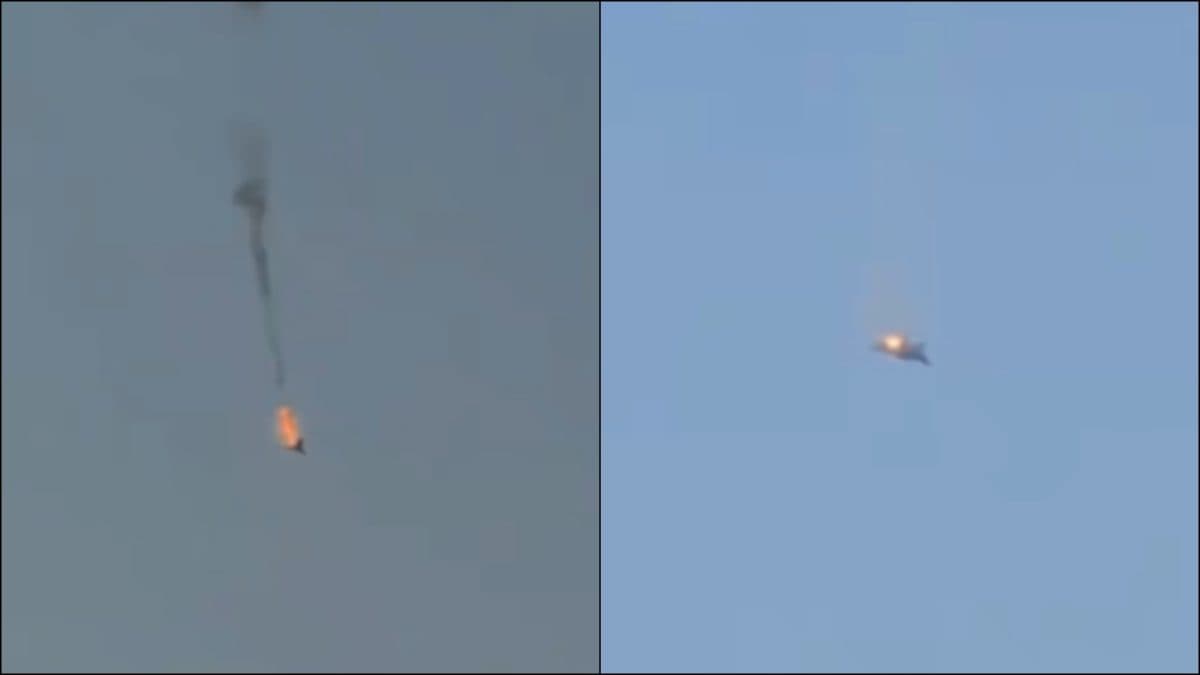
Iran launched retaliatory attacks after joint US-Israeli strikes. (Image/Reuters)
Iran has fundamentally changed its military doctrine following its previous 12-day war with Israel, according to experts.
Rather than launching large, highly visible missile barrages — many of which were intercepted last year — Iran is now pursuing a steady, prolonged campaign of smaller, but consistent attacks designed, which many reports have called “drizzles", to exhaust enemy defences.
IRAN’S DRIZZLE STRATEGY DECODED
Slow, relentless pressure: During the previous conflict, Iran launched more than 500 missiles at Israel, most of which were intercepted. Learning from that experience, Tehran has recalibrated, feel analysts. Instead of massive salvos, Iran now fires smaller, more frequent waves of missiles and drones. Israeli officials describe this as a “drizzle" strategy — a slow but relentless pressure campaign, the Financial Times’ assessment read. The objective is to deplete expensive US and Israeli interceptor systems over time rather than overwhelm them in one burst. This strategy reflects Iran’s belief that the war will be prolonged and must be fought with sustainability in mind.
#BreakingNews | Iran-linked drone strikes have hit the Ras Tanura oil refinery in Saudi Arabia, one of the world’s largest facilities, triggering fires & suspending operations as thick smoke is seen in visuals circulating online@GrihaAtul with more pic.twitter.com/HE8BSYRodz— News18 (@CNNnews18) March 2, 2026
Regional escalation: Unlike the prior war, Iran is now striking multiple US allies in the Gulf, including Bahrain, Qatar, United Arab Emirates, Kuwait and Iraq. Targets include civilian infrastructure, ports, hotels, and US military facilities — including the US Navy’s Fifth Fleet headquarters in Bahrain. This marks a major escalation from last year, when Iran limited retaliation largely to a single US base.
Analysts suggest Tehran may be escalating quickly to pressure Gulf states into urging Washington and Israel to halt operations.
Lower-tier weapons used first: Iran appears to be deliberately using older, liquid-fueled missiles and mass-produced drones first in order to force the US and Israel to use expensive interceptors such as THAAD, Arrow, David’s Sling, and preserve more advanced solid-fuel missiles for later. Older systems likely include variants of the Emad and Shahab-3. Iran has also deployed the Shahed-136 drone — widely used by Russia in Ukraine — including in attacks on US facilities. The core logic is to make the enemy spend faster than Iran does.
Iran also faces pressure: However, Iran faces a competing urgency. Israeli strikes are targeting missile launchers rather than just missiles. Israel claims roughly 50% of Iran’s ballistic missile launchers have been destroyed or disabled. If launchers are destroyed, stockpiled missiles become useless.
Thus, Iranian commanders may feel compelled to fire missiles before they are eliminated.
Advanced Missile Capabilities: Iran’s arsenal reportedly includes around 2,500 ballistic missiles. More advanced systems include Haj Qasem, Qassem Bassir, Fattah-1, Sejjil, Khorramshahr. Some of these use optical or multi-system guidance to overcome GPS jamming. Others prioritize payload size over precision.
Psychological Warfare: The constant smaller barrages are also creating civilian stress in Israel, along with continuous shelter disruptions and a sense of prolonged instability
Analysts say this may be part of Iran’s objective: wearing down public morale.
The key takeaway is that Iran is no longer fighting for dramatic immediate impact — it is fighting for endurance.
HOW IRAN IS TARGETTING US’S READINESS
Before launching strikes, America’s top general warned President Donald Trump that one major risk was the depletion of US munitions. Air-defense interceptors — known as “magazine depth" — are classified in quantity, but they are being used rapidly, The Wall Street Journal reported.
Production cannot easily keep pace with expenditure as repeated Middle East conflicts have already drained supplies.
The US is heavily using THAAD, Patriot missile system, SM-3. These systems are deployed not only in the Middle East but also in South Korea and Guam. Reducing stocks in the Middle East could weaken deterrence against North Korea or China.
Beyond defensive interceptors, the US is also expending Tomahawk cruise missiles (TLAMs), aircraft-launched precision weapons. These were also heavily used in last year’s Operation Rough Rider against the Houthis. Analysts warn that Tomahawks are among the first munitions depleted in US-China war simulations.
If the conflict drags on, the Pentagon may need to tap stockpiles in the Pacific. That could reduce readiness for a potential conflict with China. Procurement and production would need to accelerate.
Israel is also reportedly low on Arrow 3 interceptors and air-launched ballistic missiles. While Israeli forces have struck Iranian leadership and launchers effectively, defense ultimately becomes a numbers game: interceptors versus launchers, according to reports.
Iran’s attrition strategy is indirectly targeting American global readiness.
First Published:
March 02, 2026, 14:58 IST
News explainers Iran Is Attacking Israel, US In ‘Drizzles’ Unlike Last Year’s 12-Day War: The Strategic Shift Explained
Disclaimer: Comments reflect users’ views, not News18’s. Please keep discussions respectful and constructive. Abusive, defamatory, or illegal comments will be removed. News18 may disable any comment at its discretion. By posting, you agree to our Terms of Use and Privacy Policy.
Read More




 English (US) ·