
 (6).png) 2 hours ago
1
2 hours ago
1
ARTICLE AD BOX
The United States and Iran have entered a two-week ceasefire, agreed at the eleventh hour just before a deadline set by President Donald Trump for large-scale military escalation. The announcement has shifted global attention to Washington, where US Department of War chief Pete Hegseth is set to outline the next phase of “Operation Epic Fury” in a closely watched press briefing later today.
Ceasefire reached moments before escalation deadline
The breakthrough came barely an hour before Trump’s deadline to intensify military action against Iran was due to expire, marking a dramatic pause in a conflict that has unfolded over more than a month.
Under the terms of the arrangement, Tehran will temporarily reopen the Strait of Hormuz, a critical global energy corridor, while Washington suspends planned strikes.
Trump confirmed the decision following discussions with Pakistan’s leadership, stating that they “requested that I hold off the destructive force being sent tonight to Iran.”
He added: "Subject to the Islamic Republic of Iran agreeing to the COMPLETE, IMMEDIATE, and SAFE OPENING of the Strait of Hormuz, I agree to suspend the bombing and attack of Iran for a period of two weeks."
When and where to watch Hegseth’s briefing
US Department of War chief Pete Hegseth, alongside Chairman Caine, is scheduled to address a press conference at 8am ET (6:30pm IST). The press briefing can be watched on the official X handle. It will also be covered by news channels live.
The briefing is expected to provide operational clarity on the ceasefire, outline military posture during the pause, and address the broader strategic objectives of Operation Epic Fury following weeks of sustained strikes on Iranian infrastructure.
Strait of Hormuz central to fragile truce
Iranian Foreign Minister Abbas Araghchi confirmed that maritime passage through the Strait of Hormuz would be coordinated by Iran’s armed forces during the ceasefire window.
The strait, which carries roughly one-fifth of the world’s oil supply, had been effectively closed by Tehran in response to the war that began on February 28.
Araghchi stated: "If attacks against Iran are halted, our Powerful Armed Forces will cease their defensive operations,"
The conditional phrasing underscores the tenuous nature of the agreement, with both sides retaining the option to resume hostilities.
Pakistan’s mediation and wider ceasefire claims
Pakistan has emerged as a key intermediary in the crisis. Prime Minister Shehbaz Sharif indicated that the ceasefire would take effect immediately and suggested a broader de-escalation.
He stated that the United States “along with their allies” had agreed to halt fighting across multiple fronts, including Lebanon—raising the possibility of a wider regional pause.
However, Israel has not formally confirmed any such commitment.
Israel’s role and continued regional tensions
Israel, which has been central to the military campaign against Iran, did not immediately respond to the ceasefire announcement.
Its ongoing offensive in Lebanon—launched in response to rocket fire from Iranian-backed Hezbollah, has resulted in more than 1,500 deaths, according to Lebanese authorities.
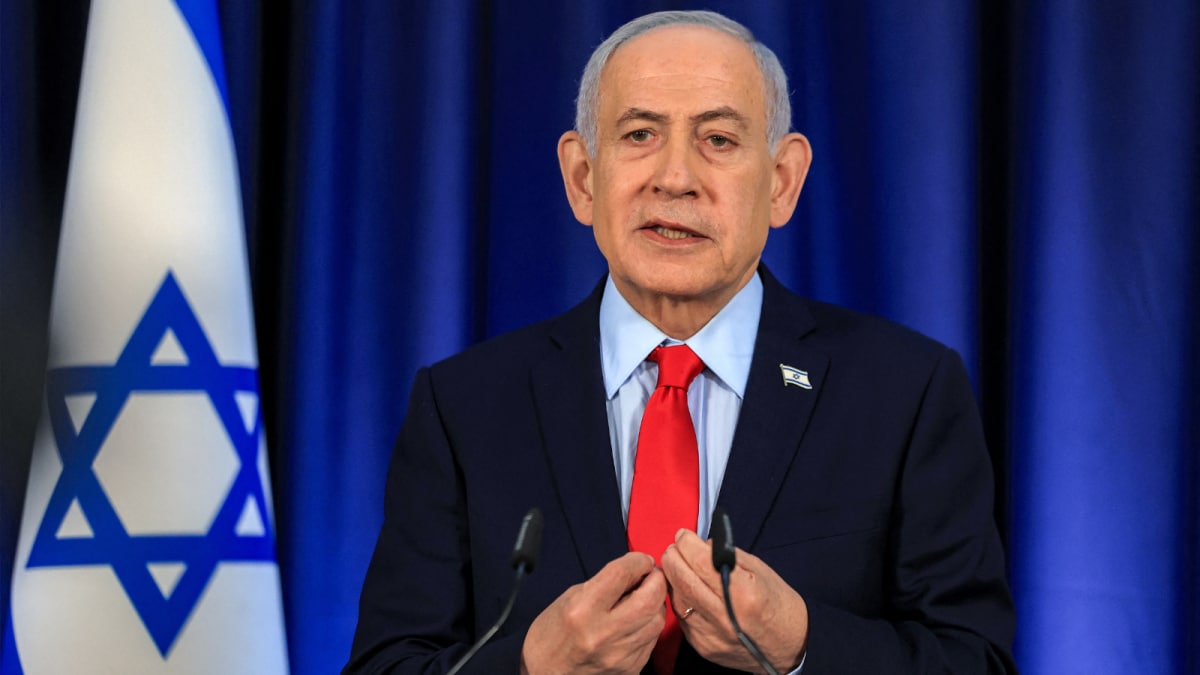
Israel had previously encouraged Washington to escalate its involvement against Iran and participated in coordinated strikes targeting critical infrastructure. Israeli Prime Minister Benjamin Netanyahu said recent attacks struck railways and bridges allegedly used by the Revolutionary Guards.
In a rare acknowledgement, the Israeli military expressed regret after confirming damage to a synagogue in Tehran, stating that the intended target had been a senior Iranian commander. Iran, despite its political structure under Shia clerical leadership, maintains around 100 synagogues serving its historic Jewish minority.
Iran War Escalation across Gulf states
The conflict has spilled beyond Iran and Israel, with Tehran launching sustained drone and missile attacks on Gulf Arab states hosting US military assets.
These strikes have disrupted the region’s long-standing image of stability. Qatar reported that four individuals were injured by falling missile debris, including a child. Explosions were also reported in Bahrain and Saudi Arabia, while the United Arab Emirates confirmed it had intercepted missile threats.







 English (US) ·