
 1 year ago
18
1 year ago
18
ARTICLE AD BOX
Last Updated:June 14, 2025, 09:02 IST
From Israeli attack on Iran’s nuclear sites to Tehran’s missile strikes on Tel Aviv — here’s what’s happened in 24 hours, and where the US stands as the conflict escalates

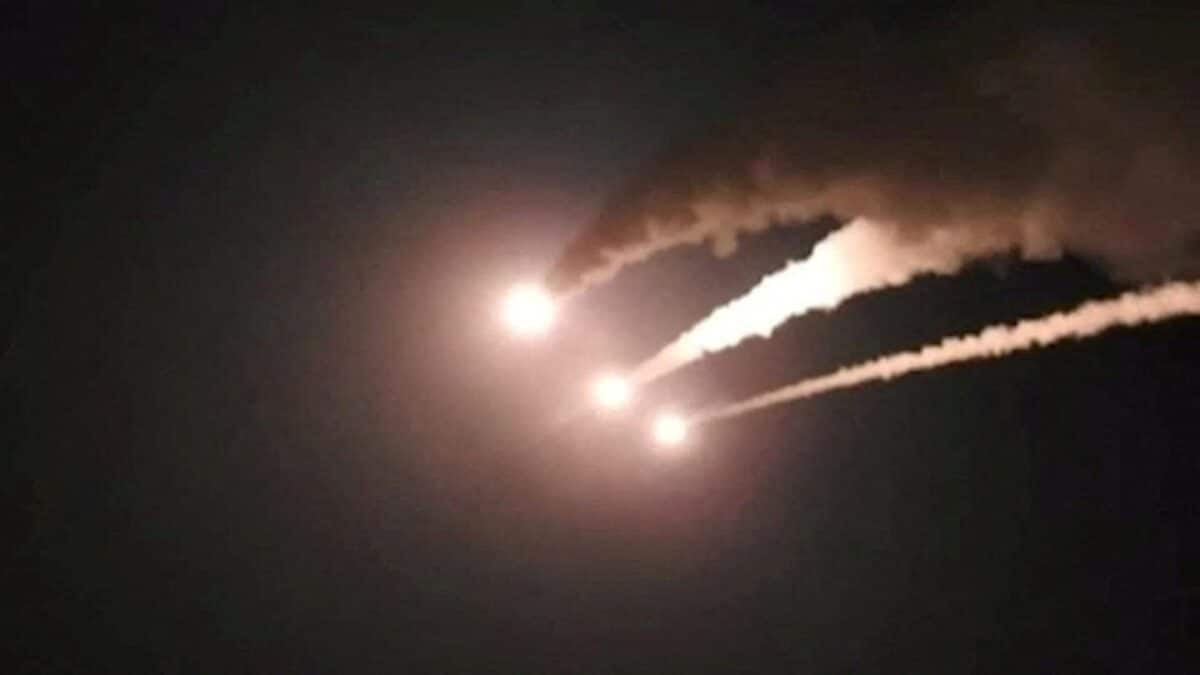
Israeli Iron Dome air defence system fires to intercept projectiles over Tel Aviv on June 14, 2025. (AP Photo)
Iran and Israel are targeting each other with missiles and airstrikes in what has become Israel’s biggest-ever air offensive against its longtime adversary, launched in a bid to prevent Tehran from developing nuclear weapons.
On Saturday morning, air raid sirens echoed through Tel Aviv and Jerusalem as successive waves of Iranian missiles streaked across Israeli skies, sending residents rushing into shelters while defense systems worked to intercept the incoming projectiles.
The escalation began with Israeli strikes on Iranian nuclear sites that killed 78 people and wounded more than 320, according to Iran’s UN ambassador, who said the overwhelming majority were civilians despite the operation targeting generals and scientists. Iran retaliated with two waves of long-range missiles aimed at Tel Aviv, wounding at least 41 people across both attacks.
For years, Israel had threatened such strikes while successive American administrations sought to prevent them, fearing they would ignite wider Middle Eastern conflict. As projectiles and interceptor rockets left trails of smoke and flame across Friday’s night sky, Iran’s Supreme Leader Ayatollah Ali Khamenei vowed Israel would not “escape safely from this great crime".
The Last 24 Hours
June 13: Early Morning
- Israel launches “preemptive strikes" against Iran’s nuclear program. The attack is carried out by a fleet of over 200 fighter jets that included F-35I Adir, an advanced modification of American F-35 Lightning II.
- Prior to the airstrikes, Israel reportedly told the Donald Trump administration it would not strike without notifying the United States first.
- About 200 Israeli aircraft involved in the initial attack on about 100 targets.
- Key sites attacked include Iran’s main nuclear enrichment facility in Natanz, where black smoke was seen rising. Other sites attacked include nuclear enrichment facility in Fordow, nuclear research facility in Isfahan.
- Israel believes its strikes killed Iran’s Revolutionary Guard Commander Hossein Salami, Chief of Staff Mohammad Hossein Bagheri, and Emergency Forces Commander Gholam Rashid apart from other military officials as well as at least six top nuclear scientists.
June 13: Morning
- The Israel Defence Forces (IDF) says Iran responded by launching “approximately 100 UAVs towards Israeli territory", claims they were successfully neutralised.
- Israel declares State of Emergency; schools and offices told to close, gatherings are prohibited.
June 13: Midday
- Iran’s state-run media reports Israeli strikes in Tabriz and Shiraz.
- Israeli Prime Minister Benjamin Netanyahu says the military operation will continue for “as long as necessary".
June 13: Evening
- In major retaliation, Iran launches airstrikes against Israel, with explosions heard in Jerusalem and Tel Aviv.
- Initial attack reportedly used over 150 ballistic missiles.
- Around 34 people said to be wounded in Tel Aviv area barrage, including one woman critically injured
>June 14: Early Morning
- Iran launches new wave of missiles early on Saturday, sirens and explosions heard over Jerusalem.
- At least two Iranian missiles hit the ground in Tel Aviv area. Reports say a hospital in Tel Aviv treated seven wounded people wounded
- Meanwhile, fire is reported at Tehran’s Mehrabad International Airport
What Is The Current Status?
- Iran’s UN ambassador reports 78 people have been killed and more than 320 wounded in Israeli attacks.
- Israeli military says it is prepared for the operation to last up to two weeks.
- Netanyahu says the attack had been planned since November, originally scheduled for April but postponed.
- Both Iran and Israel remain on high alert as the international community calls for de-escalation.
Damage Iran’s Nuclear Facilities
- UN nuclear watchdog chief Rafael Grossi told the Security Council that the above-ground pilot enrichment plant at Natanz has been destroyed.
- He said the UN is still gathering information about Israeli attacks on two other facilities, the Fordow fuel enrichment plant and at Isfahan.
Israeli Justification
- Israel’s UN envoy Danny Danon says intelligence had confirmed that “within days Iran would have produced enough fissile material for multiple bombs". He called Israel’s operation “an act of national preservation".
What Is The US Doing?
- The US has described Israel’s action as unilateral. In an interview with Fox News, Trump says Washington was not involved in the Israeli strikes.
- US ground-based air defence systems reportedly helped shoot down Iranian missiles headed for Tel Aviv.
- US media reports President Donald Trump has convened his cabinet for an emergency meeting.
- US Secretary of State Marco Rubio says its top priority is protecting American forces in the region.
- Iran’s UN envoy has accused the US of being complicit in the attacks and said it shared “full responsibility for the consequences".

Nitya Thirumalai, News Editor at News18.com, writes on Indian and global politics as well as Formula 1. She was Google News Initiative-Columbia Journalism School Fellow in the inaugural Newsroom Leadership Prog...Read More
Nitya Thirumalai, News Editor at News18.com, writes on Indian and global politics as well as Formula 1. She was Google News Initiative-Columbia Journalism School Fellow in the inaugural Newsroom Leadership Prog...
Read More
- Location :
Israel
- First Published:
News world Israel-Iran Conflict: Last 24 Hours, Nuclear Fallout, And What The US Is (And Isn’t) Doing




 English (US) ·