
 1 hour ago
2
1 hour ago
2
ARTICLE AD BOX
Last Updated:March 23, 2026, 16:30 IST
A dirty bomb is designed to spread radioactive material using a conventional explosion, contaminating the surrounding area
The US-Israel-Iran war is in its fourth week. Iran has so far absorbed major US-Israeli strikes and launched widespread retaliation across the Middle East. Iran appears to be on the back foot tactically due to mounting military losses and sustained pressure from coordinated U.S.–Israeli strikes. However, Tehran still retains a potential asymmetric option that could cause significant disruption and psychological impact: the use of “dirty bomb.”
A dirty bomb, feared but rarely used, is a weapon that could offer Tehran’s increasingly hardline leadership a way to cause the heavy costs it seeks to inflict, without restoring to full-scale nuclear warfare.
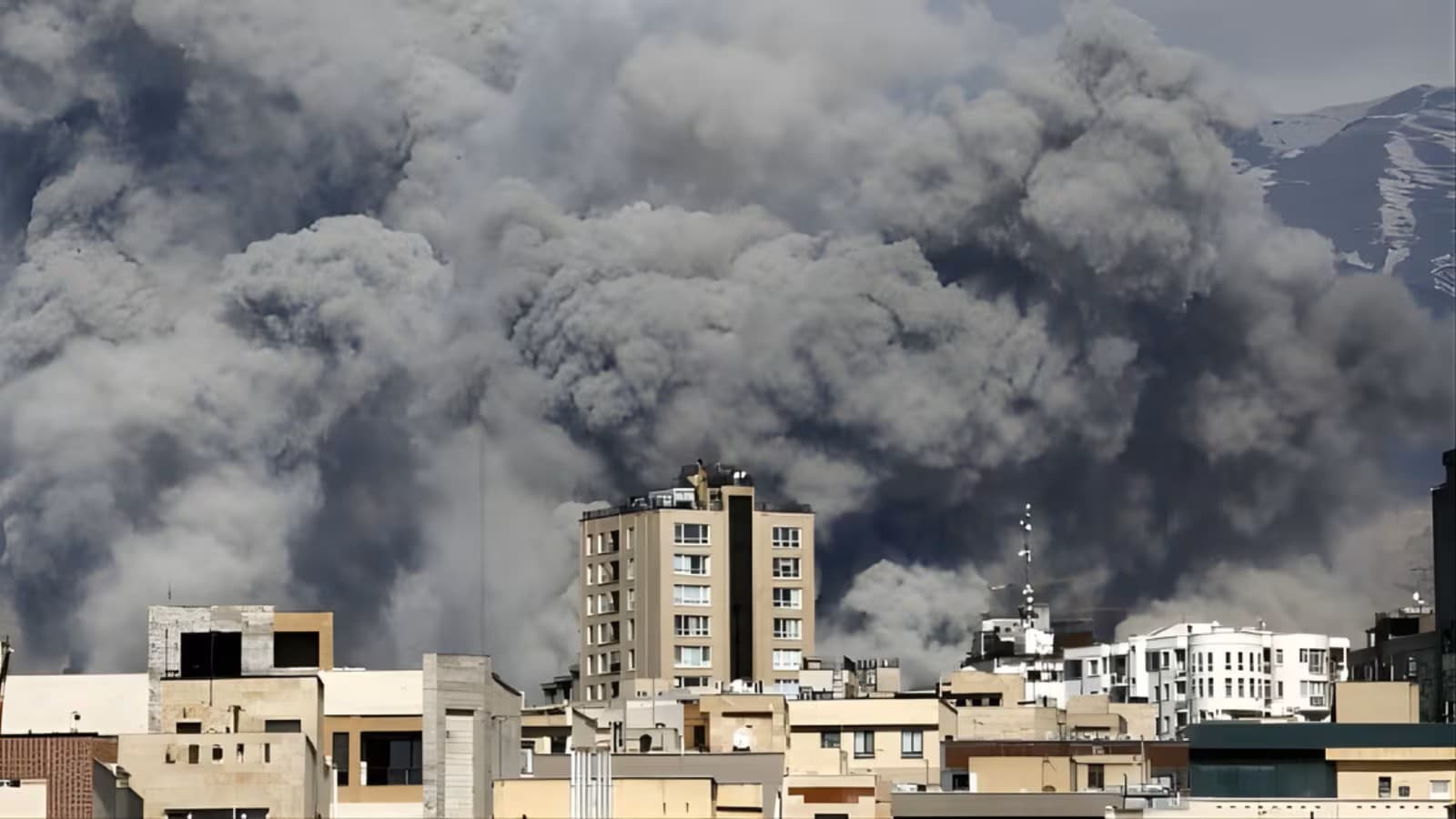
A dirty bomb is designed to spread radioactive material using a conventional explosion, contaminating the surrounding area. Reportedly, while it is far less destructive than a nuclear weapon in terms of immediate blast impact, it can cause severe long-term harm by polluting agricultural land and water sources, and increasing the risk of diseases such as cancer and acute radiation syndrome among those exposed.
According to the US Nuclear Regulatory Commission, a dirty bomb, also known as a radiological dispersal device combines a conventional explosive, such as dynamite, with radioactive material in the form of powder, pellets, or other sources. When the device is detonated, the blast disperses radioactive material over the surrounding area, leading to contamination.
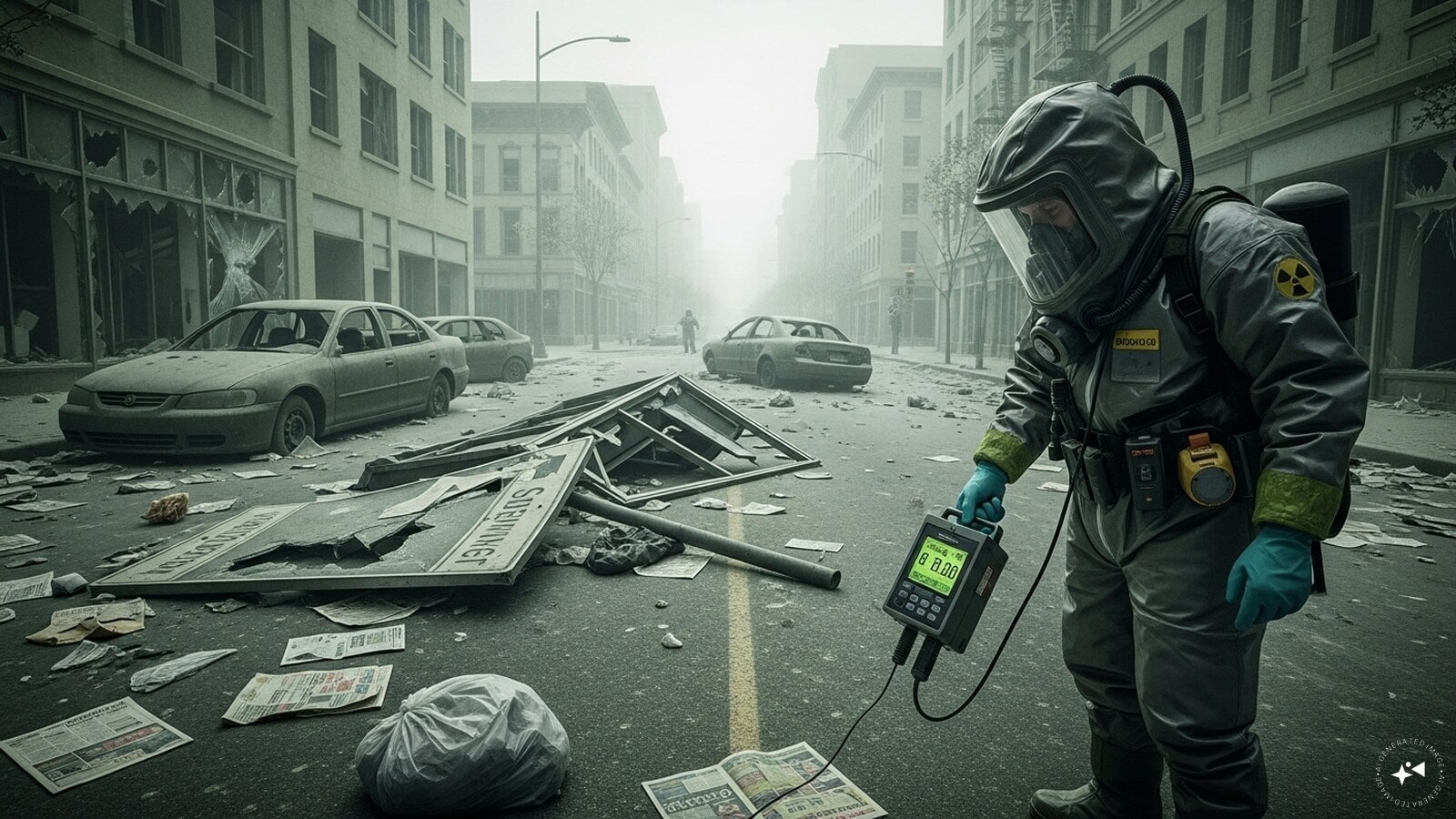
A dirty bomb is very different from a nuclear weapon, as its main effect is the spread of radioactive contamination rather than the immense blast, heat, and destructive power associated with a nuclear explosion.
Speaking to Foreign Policy, Marion Messmer of Chatham House noted, "A dirty bomb isn't a Weapons of Mass Destruction (WMD). WMD's are called such because of the severe impact they would have. A nuclear weapon destabilises and unleashes destruction. The radioactivity is much higher than just scattering some radioactive material."
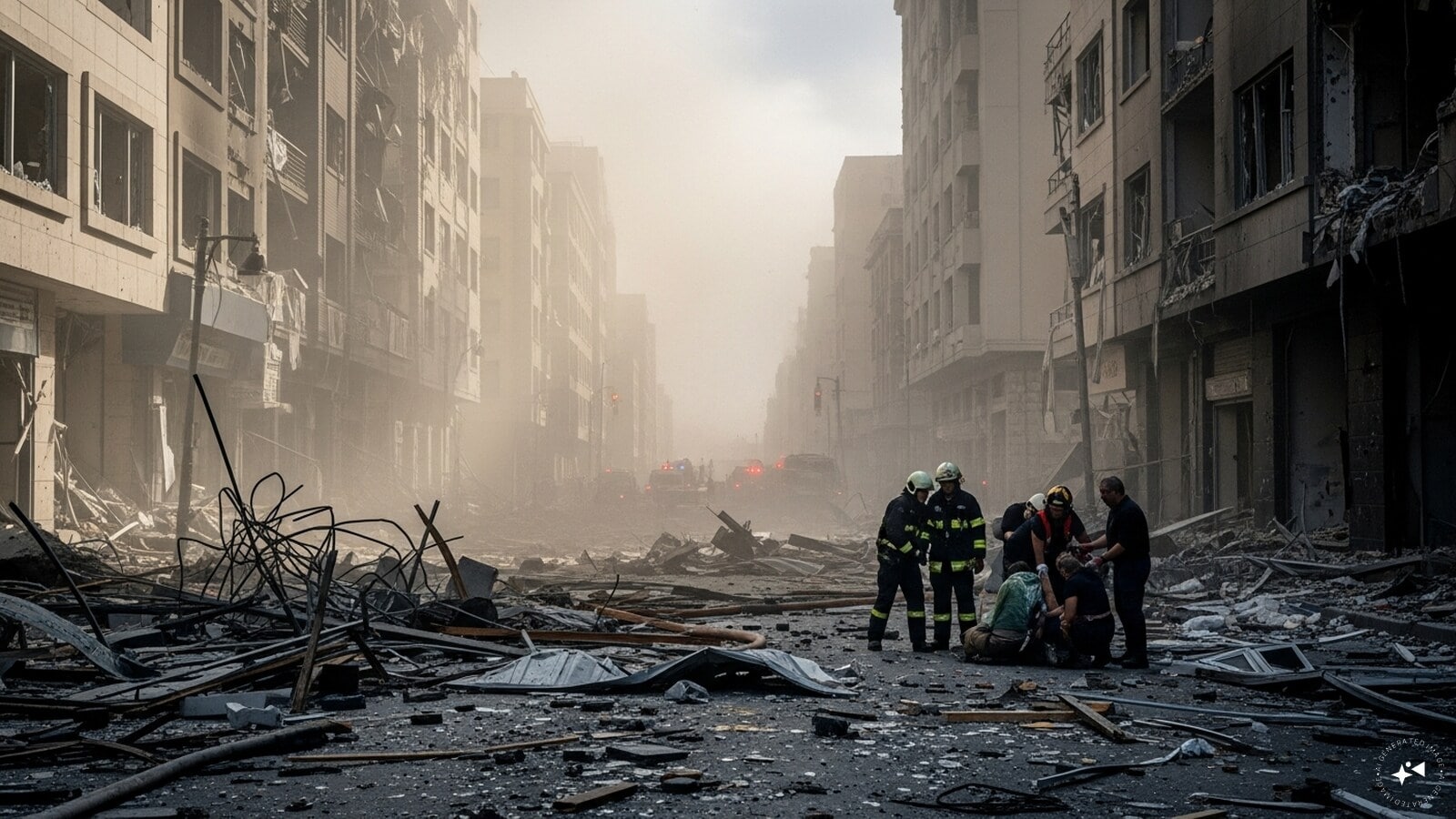
According to the Centers for Disease Control and Prevention (CDC), the greatest immediate danger comes from the explosion itself, which can result in serious injuries and significant property damage. The radioactive material dispersed is unlikely to cause severe immediate illness for most people, except those in very close proximity to the blast.

However, the Centers for Disease Control and Prevention (CDC) cautions that radioactive dust and smoke can travel beyond the immediate blast zone, posing health risks if inhaled. In cases of high exposure, this can lead to Acute Radiation Syndrome (ARS), which can damage the bone marrow, gastrointestinal tract, and cardiovascular system, potentially resulting in infections, internal bleeding, and organ failure.
According to the World Health Organisation, long-term exposure can increase the risk of leukaemia, cancers, cardiovascular disease, and cataracts.

The most significant impact, however, may be economic. A 2012 study by the University of Southern California estimated that a dirty bomb attack in Los Angeles could result in nearly $16 billion in losses over a decade, driven largely by cleanup efforts as well as the long-term psychological and behavioural disruption experienced by the city’s residents.
News Photogallery world Israel-Iran War: What Is A Dirty Bomb And What Are Its Effects?






 English (US) ·