
 1 hour ago
1
1 hour ago
1
ARTICLE AD BOX
Last Updated:March 18, 2026, 09:20 IST
If Khamenei’s assassination was about decapitating the regime, Larijani’s killing is about disrupting its nervous system


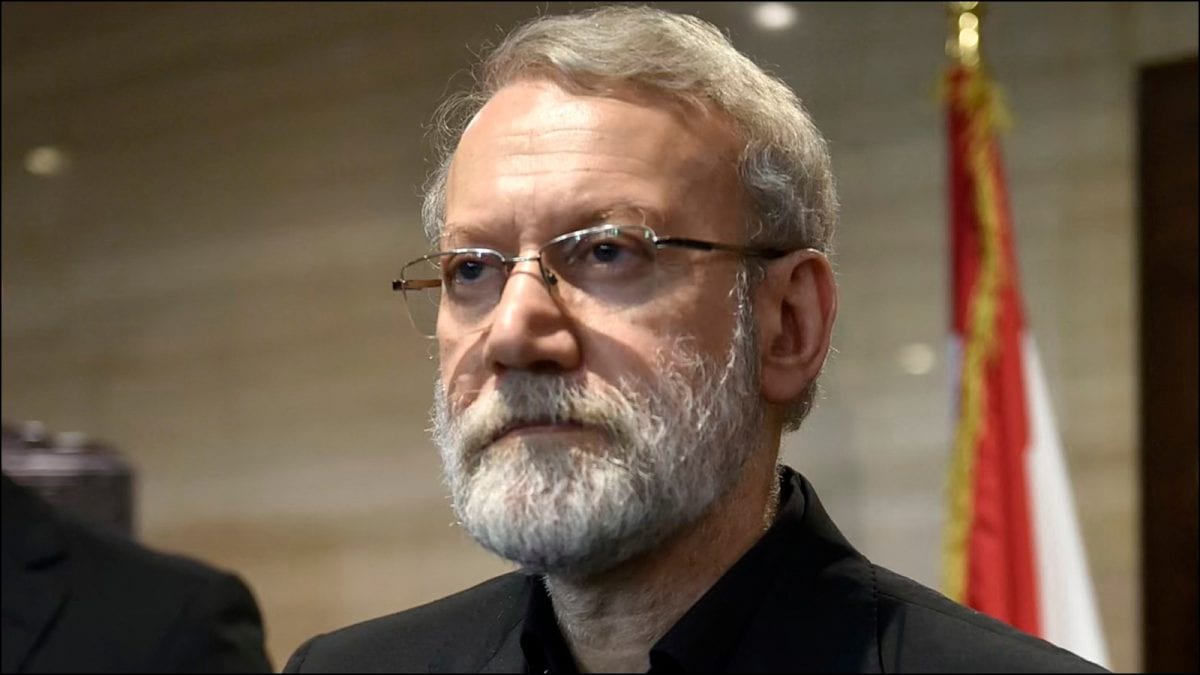
Ali Larijani’s death weakens coordination across the country’s fragmented power centres and increases the risk of miscalculation under pressure. (AFP)
The killing of Iran’s top security official Ali Larijani in the latest strike by the United States and Israel marks one of the most consequential moments in the ongoing Iran war—arguably even more significant than the earlier assassination of Supreme Leader Ali Khamenei.
At first glance, that may seem counterintuitive. Khamenei was the face of the Islamic Republic for decades. But analysts say Larijani’s role within Iran’s power structure—and the timing of his death—could have deeper operational consequences, especially for how the war unfolds.
A System Built To Survive Khamenei
When Ali Khamenei was killed in a US-Israel strike on February 28, it was seen as a dramatic “decapitation strike". But, much to the world’s surprise, the Iranian system proved more resilient than expected.
According to Time Magazine, a leadership council was quickly put in place and power quickly shifted to institutions like the Supreme National Security Council. Despite the setback, military operations continued under a decentralised command structure. The Washington Post had reported earlier this month that intelligence assessments had already warned that removing the supreme leader would not collapse the regime, given its layered power centres.
In short, Khamenei’s death was symbolically massive but structurally manageable.
Why Larijani Was Different
Ali Larijani was not just another senior official. According to Reuters, he was widely described as a “backroom powerbroker" and architect of Iran’s security policy.
ALSO READ | When Will Iran War End? Trump Goes From ‘4 Weeks’ To ‘Largely Over’ Amid Uncertainty
As head of the Supreme National Security Council, he played a unique role in coordinating between political leadership, military, and intelligence arms, acting as a bridge between factions within the regime, and managing both strategy and execution during wartime.
According to The Guardian, his influence cut across “many levels of Iranian politics and abroad", making his loss particularly devastating.
This is also what marks the key distinction between the leaders. While Khamenei embodied authority, Larijani enabled the system to function.
Blow To Coordination, Not Just Leadership
Analysts say Larijani’s death creates a more immediate and dangerous vacuum.
According to Iran International, it weakens coordination across the country’s fragmented power centres and increases the risk of miscalculation under pressure.
A bigger concern is that it disrupts real-time decision-making in an active war. Larijani’s killing has hit Iran harder as he was the axis on which the country’s pushback was centered. In wartime, it is decision making that matters more than symbolic leadership, thus explaining how Larijani’s was a more critical role compared to that of Khamenei.
Why It Could Prolong The War
Paradoxically, removing a central coordinator like Larijani may not weaken Iran. In an interview with Al Jazeera, Iran’s Foreign Minister Abbas Araghchi emphasised that the country’s governance rests on institutions rather than individuals and recent attacks, including those that killed senior officials, would not weaken the state’s functioning.
ALSO READ | ‘They Have Nothing Now’: Trump Says Iran War ‘Largely Over’, Nuclear Threat Eliminated
“The Islamic Republic of Iran has a strong political structure with established political, economic, and social institutions," he said, adding that “the presence or absence of a single individual does not affect this structure."
Here’s how his death could make the conflict more chaotic and prolonged:
1. Decentralised escalation: Without a strong coordinating figure, different arms of the state such as IRGC units and regional proxies may act more autonomously, leading to uncoordinated but sustained escalation.
2. Hardline consolidation: Larijani was seen as a pragmatic insider who could navigate factions. His absence may tilt power further toward more hardline elements, reducing space for de-escalation.
3. Reduced negotiation bandwidth: Backchannel diplomacy often depends on figures like Larijani. Without such intermediaries, conflict resolution becomes harder.
The war had already escalated sharply after Khamenei’s killing, with Iran launching widespread retaliatory strikes and disrupting global oil flows through the Strait of Hormuz.
But Larijani’s death could mark a different kind of turning point, making the conflict less predictable and harder to contain.
Simply put, if Khamenei’s assassination was about decapitating the regime, Larijani’s killing is about disrupting its nervous system.
First Published:
March 18, 2026, 09:20 IST
News explainers Khamenei's Death Didn't End Iran War, But Larijani's Killing May Extend It. Here's Why
Disclaimer: Comments reflect users’ views, not News18’s. Please keep discussions respectful and constructive. Abusive, defamatory, or illegal comments will be removed. News18 may disable any comment at its discretion. By posting, you agree to our Terms of Use and Privacy Policy.
Read More






 English (US) ·