
 8 hours ago
2
8 hours ago
2
ARTICLE AD BOX
Last Updated:April 22, 2026, 19:07 IST
Nilüfer Koç also drew parallels between Kurdish concerns and India’s security challenges, particularly regarding the use of non-state actors


Dismissing speculation about Kurdish cross-border military action into Iran, Koç clarified that Kurdish groups have adopted a strictly defensive posture. Image: Centre for Kurdish Progress
In an exclusive conversation with News18, Nilüfer Koç, a senior member of the Kurdistan National Congress (KNK), laid out the Kurdish position on the ongoing tensions surrounding Iran, firmly rejecting claims of external alignment, alleged US arms support, and raising sharp concerns over Pakistan’s role as a mediator.
Kurds Take ‘Third Way’ Amid Iran Conflict
Koç revealed that Kurdish political groups in Iran had proactively formed a coalition in anticipation of regional instability following the Israel-Iran escalation last year. With nearly 10 million Kurds residing in Iran, the move aimed at safeguarding Kurdish interests without aligning with global powers.
Drawing lessons from the US role in Syria, Koç said Kurdish groups no longer trust shifting alliances. She referred to Washington’s past engagement with Kurdish forces against ISIS, followed by what she described as a pivot toward other regional actors.
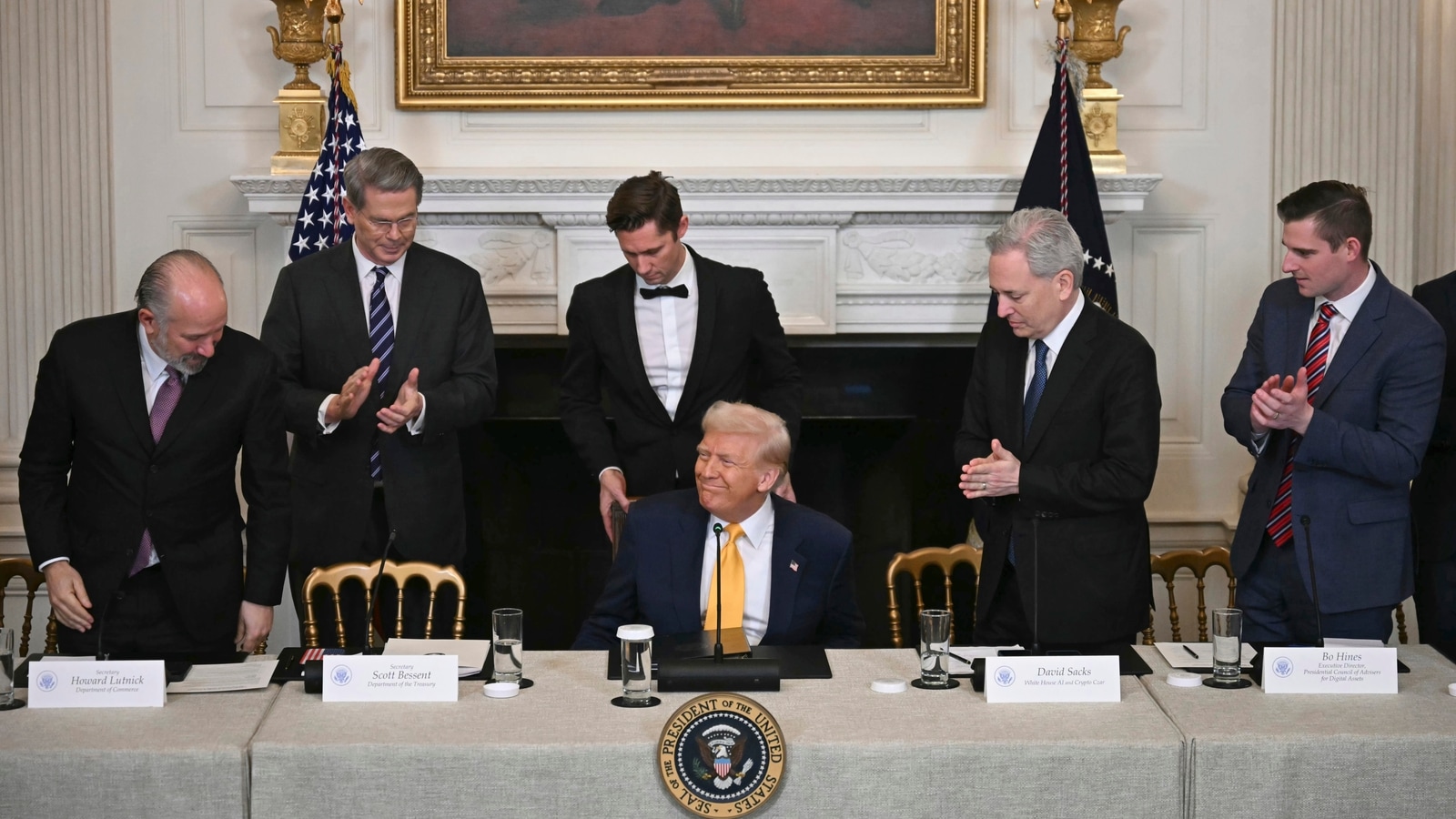
“When Donald Trump called on Kurds to join the war against Iran, the response was clear—this is not our war," she said, underlining a “third way" policy: neither siding with Iran nor becoming instruments of US strategy.
Trump’s Weapons Claim Dismissed
Addressing Trump’s claim that the US covertly armed Iranian protesters through Kurdish intermediaries, Koç categorically denied any such involvement.
“We said clearly—wrong door. Kurds will not act as proxies or mercenaries," she stated, adding that no major Kurdish group has confirmed receiving weapons.
Koç termed the allegation “unclear and possibly provocative", suggesting it may have been aimed at triggering Iranian suspicion toward Kurdish populations. “If weapons were given, to whom? That remains unanswered," she noted.
She emphasised that Kurdish groups are militarily self-reliant and would only take up arms if Kurdish populations are directly attacked. “This is about self-defence, not foreign agendas," she added.
Pakistan’s Mediation Role Under Scrutiny
On Pakistan’s emergence as a mediator in ceasefire talks, Koç struck a critical tone, questioning the credibility of states with deep military-driven policies.
Referring indirectly to Pakistan Army Chief Asim Munir, she said, “A state built around military security and aggression cannot be a reliable mediator for peace."
Koç argued that Pakistan’s alignment with Turkey raises additional concerns for Kurds, especially given Ankara’s history of conflict with Kurdish groups.
She further suggested that Pakistan’s mediation role is not solely a US decision but backed by a broader geopolitical bloc involving Turkey, Qatar, and Saudi Arabia—countries with vested interests in containing Iran.
Regional Power Play and Proxy Threats
Koç warned that the Iran conflict is far from over, describing the current ceasefire as a “temporary pause" in a larger hybrid war involving both military and political strategies.
She expressed concern over the continued use of proxy groups, including jihadist elements, by regional powers. “This is not just a Kurdish issue. It is a threat to regional stability—from the Middle East to South Asia," she said.
No Offensive Plans Against Iran
Dismissing speculation about Kurdish cross-border military action into Iran, Koç clarified that Kurdish groups have adopted a strictly defensive posture.
“We will act only if our people are attacked. There is no offensive plan," she asserted.
India Angle: A Call for Strategic Convergence
Koç also drew parallels between Kurdish concerns and India’s security challenges, particularly regarding the use of non-state actors.
Without naming specifics, she hinted at shared threats from proxy warfare and called for stronger political and strategic engagement between Kurdish movements and India.
“We share cultural connections, but we must also deepen political cooperation to ensure regional stability," she concluded.
Handpicked stories, in your inbox
A newsletter with the best of our journalism
First Published:
April 22, 2026, 19:07 IST
News world 'Kurds Won’t Be Proxies In Iran War': KNK Leader Rejects President Trump’s Arms Claim, Doubts Pakistan’s Mediation Role | Exclusive
Disclaimer: Comments reflect users’ views, not News18’s. Please keep discussions respectful and constructive. Abusive, defamatory, or illegal comments will be removed. News18 may disable any comment at its discretion. By posting, you agree to our Terms of Use and Privacy Policy.
Read More





 English (US) ·