
 (6).png) 1 hour ago
1
1 hour ago
1
ARTICLE AD BOX
Iran has imposed a toll system in the Strait of Hormuz, directing vessels along a specific route. Recent shipping movements face tracking challenges due to electronic interference.
 Women sit on empty LPG cylinders as they wait in a queue outside a gas agency (PTI Photo) (Representative Image)(PTI)
Domestic LPG cylinder prices for households remain unchanged on Monday, April 6, providing some relief to consumers despite ongoing volatility in global energy markets driven by tensions in the Middle East.
The price of a 19 kg commercial Liquefied Petroleum Gas (LPG) cylinder was first increased by ₹144 in March, followed by another hike of about ₹200 on April 1. This has significantly raised operating costs for restaurants, hotels, and other businesses.
The surge in prices is linked to energy supply shortages. A major factor has been disruptions around the Strait of Hormuz, a crucial global energy corridor. Uncertainty in this shipping route has constrained supply and driven up costs worldwide, contributing to the rise in LPG prices.
Citi-wise updated domestic and commercial LPG prices on April 6
| New Delhi | ₹913.00 | ₹2,078.50 |
| Kolkata | ₹939.00 | ₹2,208.50 |
| Mumbai | ₹912.50 | ₹2,031 |
| Bangalore | ₹915.15 | ₹2,161 |
| Chandigarh | ₹922.50 | ₹2,099.50 |
| Gurgaon | ₹921.50 | ₹2,096.50 |
| Noida | 910.50 | ₹2,078.50 |
| Chennai | ₹928.50 | ₹2,246.50 |
| Patna | ₹1,002.50 | ₹2,353.50 |
| Hyderabad | ₹965.00 | ₹2320.50 |
Iran has tightened its grip over the Strait of Hormuz by introducing a toll system and directing most vessels to follow a designated path near its coastline. Over the past day, all large ships have reportedly passed through a narrow northern channel between the Iranian islands of Larak Island and Qeshm Island, Bloomberg reported.
The most significant recent crossing is that of the Ocean Thunder, a vessel managed by Turkey-based Onn Denizcilik ve Danismanlik, according to the Equasis maritime database.
Tracking tanker movements has become more difficult due to electronic interference affecting ship signals. Additionally, some vessels switch off their AIS transponders while navigating high-risk areas, further limiting the accuracy and timeliness of tracking data, as reported by Bloomberg.
Earlier on Saturday, five bulk carriers and three oil-product tankers departed the Persian Gulf, followed on Sunday morning by two oil tankers and a liquefied petroleum gas (LPG) carrier. Four of the bulk carriers had left Iranian ports, with two reporting that they were transporting food supplies, as reported by Bloomberg.
Iran war: What's latest?
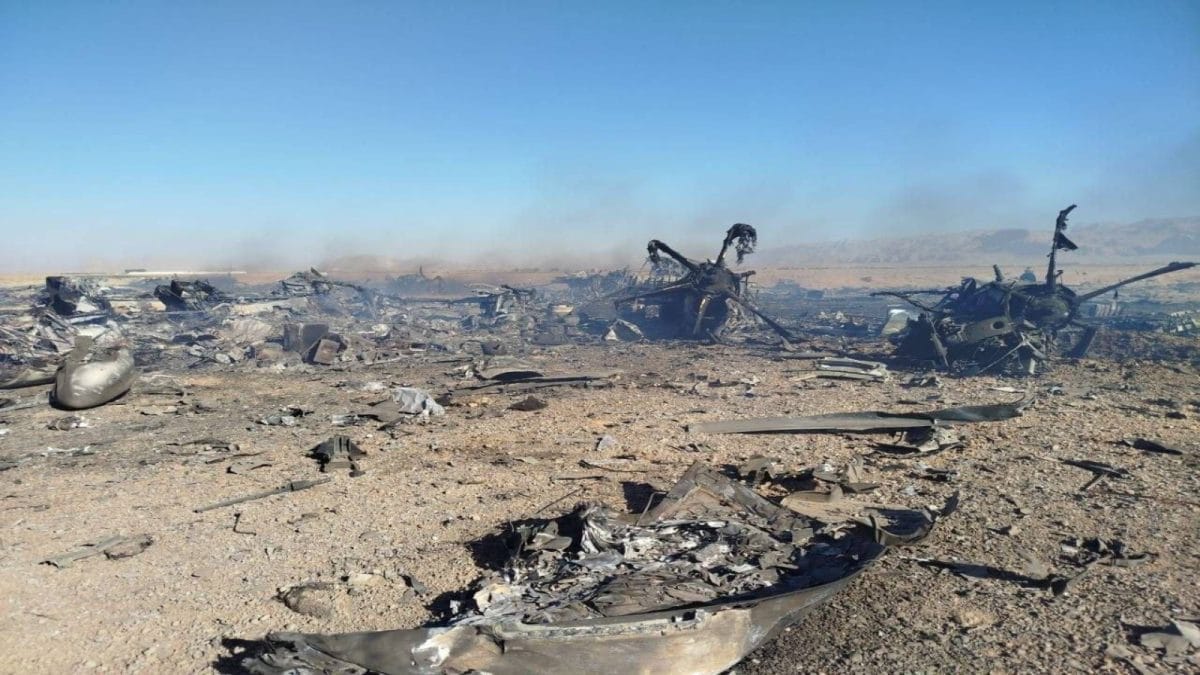
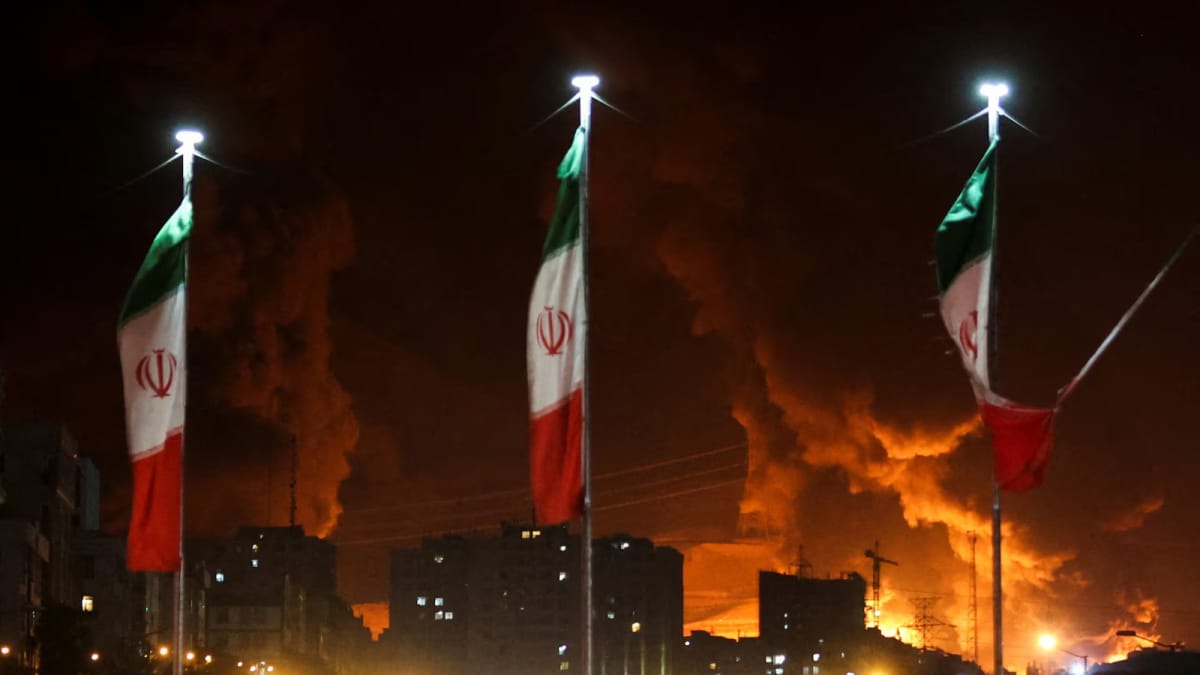
Early Monday, an airstrike hit a residential building in a city southwest of Tehran, killing at least 13 people, according to Iranian media reports.
The semiofficial Fars News Agency and Nour News reported that the strike occurred near Eslamshahr.
The reason for targeting the building remains unclear. Neither Israel nor the United States claimed responsibility, but the strike followed US President Donald Trump’s profanity-laden warning to Iran demanding the reopening of the Strait of Hormuz, AP reported.
Following the rescue of a U.S. airman more than a day after his fighter jet was shot down, Trump had issued increasingly aggressive threats to destroy Iran’s power plants starting Tuesday and warned that the nation would face “Hell.”
Meanwhile, Iran dismissed Trump’s latest ultimatum to reopen the Strait of Hormuz, stating that full operations would only resume once war-related damages are compensated. Tehran also continued targeting energy infrastructure in neighboring Gulf countries, including the oil headquarters in Kuwait.
(With inputs from agencies)
About the Author
Mausam Jha
Mausam Jha is a journalist who focuses on world affairs and politics. She provides clear, informative reporting with a good understanding of both global events and their local impact. <br><br> Her clear, accessible reporting on political and international issues makes her a trusted source of news and analysis. <br><br> For the past three years, Mausam has worked with Mint, covering national politics, IR—including elections—and global affairs.<br> Before joining her current role, she gained experience working with The Statesman, ANI, and Financial Express, where she honed her skills in political and international news. <br><br> She has consistently tracked key electoral battles, including US elections, Japan elections, policy debates, and strategic affairs, explaining how global currents, from great power competition to regional conflicts <br><br> Beyond journalism, Mausam has a deep engagement with international relations, diplomacy, war studies, terrorism, political history, and political theory. She is particularly interested in the intersection of statecraft and society on how governance, ideology, and institutions shape lived realities, and how politics shape today's world order. <br><br> An avid reader of classical literature and political thought, she constantly explores the connections between historical ideas and contemporary policy challenges.






 English (US) ·