
 6 months ago
12
6 months ago
12
ARTICLE AD BOX
Last Updated:July 23, 2025, 11:51 IST
NISAR, the $1.5-billion ISRO-NASA satellite launching July 30, will track Earth’s changes in real time, revolutionising disaster response, climate research, and food security

NISAR is a powerful monitoring tool that allows timely, data-driven decisions which can save lives and protect natural ecosystems. (News18)
On July 30, 2025, a landmark satellite mission is set to take off from Sriharikota, Andhra Pradesh, marking a historic moment in space cooperation between India and the United States. The mission, titled NISAR, short for NASA-ISRO Synthetic Aperture Radar, is an ambitious Earth observation initiative jointly developed by ISRO and NASA. With a cost of Rs 13,000 crore ($1.5 billion), it will provide the most precise, detailed imaging of Earth ever attempted.
This project not only strengthens bilateral space ties but is expected to revolutionise environmental monitoring, disaster prediction, and climate data analysis across the globe.
What Makes NISAR Special?
NISAR will be the first satellite in the world to operate simultaneously on two radar frequencies: NASA’s L-band and ISRO’s S-band. The satellite, weighing 2,392 kg, will be launched aboard ISRO’s GSLV-F16 rocket into a 743 km sun-synchronous orbit. This orbit allows the satellite to collect consistent data regardless of the time of day or weather conditions.
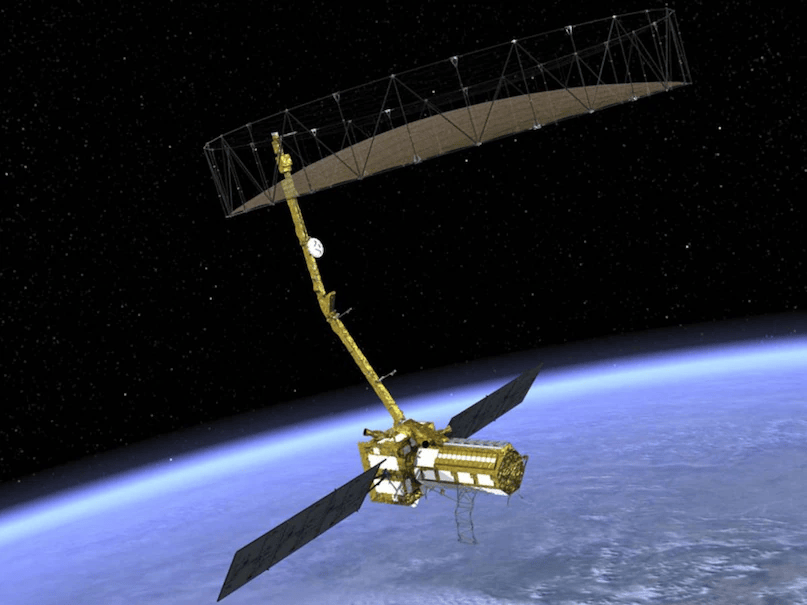
NISAR will capture high-resolution images of Earth’s surface every 12 days, providing an unprecedented frequency of observations.
A Record-Breaking Investment
With a development cost of $1.5 billion, NISAR is the most expensive Earth observation satellite ever built. Its sheer scale and advanced technology justify the investment. The satellite includes a 12-metre-long mesh antenna, one of the largest ever used, and a cutting-edge dual radar system capable of detecting centimetre-level movements in Earth’s surface.
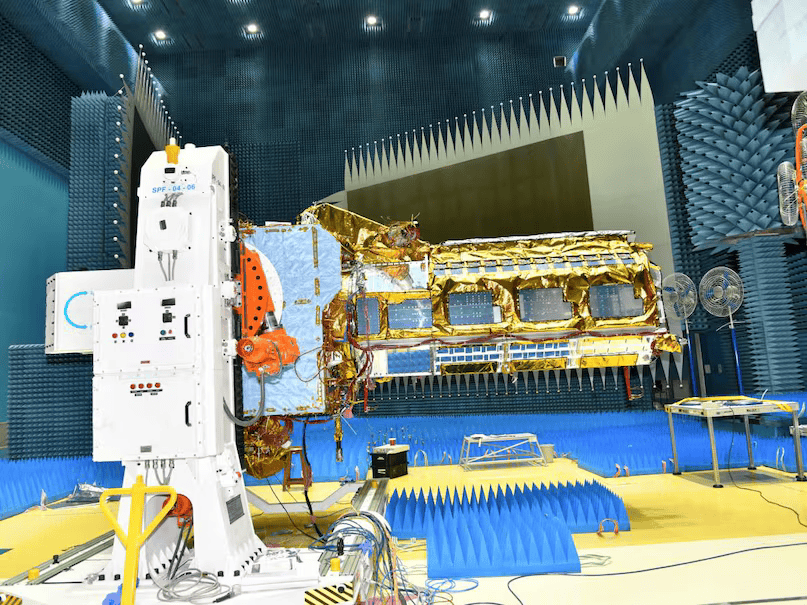
From earthquake shifts to glacial changes and subsidence, the data collected will be critical for understanding and managing natural hazards.
ISRO’s Strategic Role And Contribution
India’s space agency, ISRO, is contributing around Rs 788 crore to the mission. But the benefits go well beyond finances. NISAR will significantly boost India’s ability to:
- Detect earthquakes, floods, and landslides early
- Monitor soil moisture and crop conditions to enhance agricultural planning
- Track glacier retreat, deforestation, and wetland changes
- Support disaster relief and climate policy formulation
All NISAR data will be freely available worldwide, further elevating India’s stature in global scientific and climate research.
How Do The Dual Radars Work?
NISAR’s twin radars serve complementary functions:
- NASA’s L-band radar observes land masses, forests, snow, and deep soil structures.
- ISRO’s S-band radar focuses on finer details, including crop structures, shallow soil layers, and surface anomalies.
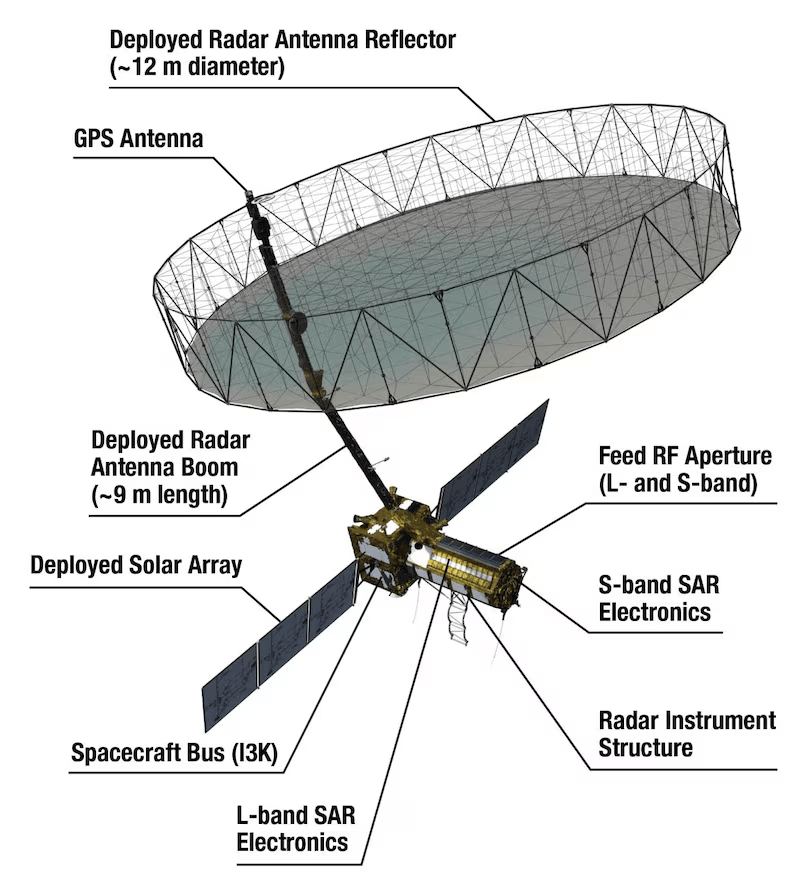
Together, they will produce images at a 5 to 10 metre resolution over a swath width of up to 242 kilometres, every 12 days.
What Will NISAR Monitor?
The satellite is engineered for real-time tracking of significant changes in the Earth’s surface, including:
- Earthquakes, landslides, and volcanic activity
- Ice sheet movement and glacier melt
- Deforestation, crop growth, and vegetation shifts
- Soil moisture, wetland status, and lake levels
- Disaster impact assessment following cyclones, floods, tsunamis, and wildfires
This powerful monitoring tool will allow for timely, data-driven decisions that can save lives and protect natural ecosystems.
A Mission For The Planet, Not Just India And USA
NISAR is not just a symbol of India-US space cooperation, it is a mission for humanity. Its wide-ranging data will be vital for:
- Urban development
- Climate change mitigation
- Food and water security
- Environmental protection
- Defence and security planning
As climate and environmental concerns grow more urgent, NISAR offers a new lens to understand our planet—and act in time.
view comments- Location :
- First Published:
News explainers NISAR: Rs 13,000-Crore ISRO-NASA Satellite To Scan Entire Earth In 12 Days, Launch On July 30
Disclaimer: Comments reflect users’ views, not News18’s. Please keep discussions respectful and constructive. Abusive, defamatory, or illegal comments will be removed. News18 may disable any comment at its discretion. By posting, you agree to our Terms of Use and Privacy Policy.





 English (US) ·