
 (6).png) 1 hour ago
2
1 hour ago
2
ARTICLE AD BOX
Theodore Roosevelt emphasized that citizens should not blindly support a president. Criticism is vital in a democracy, especially towards powerful leaders, to ensure honesty and accountability.
 File image of former US President Theodore Roosevelt(Website)
“To announce that there must be no criticism of the President, or that we are to stand by the President, right or wrong, is not only unpatriotic and servile, but is morally treasonable to the American public. Nothing but the truth should be spoken about him or any one else. But it is even more important to tell the truth, pleasant or unpleasant, about him than about any one else..”
― Theodore Roosevelt.
Meaning of the quote
Theodore Roosevelt was an American leader, writer, and soldier who served as the 26th President of the United States from 1901 to 1909. In this statement, Former US President Theodore Roosevelt argued that people should not blindly support a president no matter what he does. He believes that saying the president must never be criticised is unpatriotic and even harmful to the country. Instead, Roosevelt noted that citizens have a duty to speak the truth about their leaders, whether the truth is positive or negative.
He is stressing that honesty and accountability are essential in a democracy.
According to him, it is especially important to criticize the president when necessary, because he wields great power and his actions affect the entire nation.
Silence or blind loyalty, in Roosevelt's view, would weaken the country rather than strengthen it.
Who was Roosevelt?
Roosevelt spoke these words in Kansas City on May 7, 1918, no doubt in part to justify his extreme criticisms of then-President Woodrow Wilson, whom he excoriated for moral flabbiness, for high sounding words unmatched by action, and for not preparing the people of the United States for entry into World War I.
Theodore Roosevelt delivered this speech in Kansas City on May 7, 1918, partly to defend his strong criticism of Woodrow Wilson. He harshly accused Wilson of lacking moral strength, using impressive language without taking real action, and failing to properly prepare the American public for entering World War I.
Roosevelt played an important role in regulating large corporations, expanding national parks, and strengthening the country’s global influence. Before becoming president, he gained fame as a war hero in the Spanish-American War and later became vice president under William McKinley, becoming president after McKinley’s assassination.
Famous quotes by Roosevelt
“Remember, remember always, that all of us, and you and I especially, are descended from immigrants and revolutionists.”
“It is not the critic who counts; not the man who points out how the strong man stumbles... The credit belongs to the man who is actually in the arena, whose face is marred by dust and sweat and blood...”. Known as the "Man in the Arena" quote, from a 1910 speech in Paris.
“Speak softly and carry a big stick; you will go far.”
To announce that there must be no criticism of the President... is not only unpatriotic and servile, but is morally treasonable to the American public.
“Believe you can and you’re halfway there.”
“In any moment of decision, the best thing you can do is the right thing. The next best thing is the wrong thing, and the worst thing you can do is nothing.”
Key Takeaways
- Blind loyalty to leaders undermines democratic values.
- Honesty and accountability are crucial for effective governance.
- Citizens have a duty to critically evaluate their leaders' actions.
About the Author
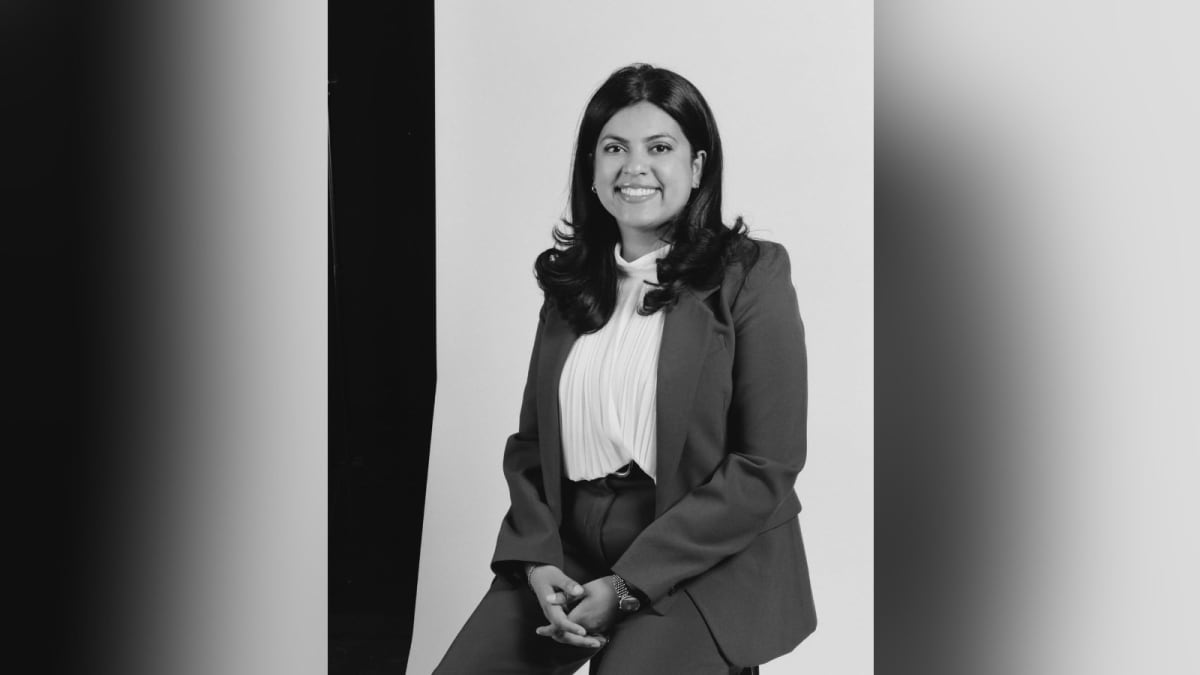
Mausam Jha
Mausam Jha is a journalist who focuses on world affairs and politics. She provides clear, informative reporting with a good understanding of both global events and their local impact. <br><br> Her clear, accessible reporting on political and international issues makes her a trusted source of news and analysis. <br><br> For the past three years, Mausam has worked with Mint, covering national politics, IR—including elections—and global affairs.<br> Before joining her current role, she gained experience working with The Statesman, ANI, and Financial Express, where she honed her skills in political and international news. <br><br> She has consistently tracked key electoral battles, including US elections, Japan elections, policy debates, and strategic affairs, explaining how global currents, from great power competition to regional conflicts <br><br> Beyond journalism, Mausam has a deep engagement with international relations, diplomacy, war studies, terrorism, political history, and political theory. She is particularly interested in the intersection of statecraft and society on how governance, ideology, and institutions shape lived realities, and how politics shape today's world order. <br><br> An avid reader of classical literature and political thought, she constantly explores the connections between historical ideas and contemporary policy challenges.





 English (US) ·