
 (6).png) 3 weeks ago
4
3 weeks ago
4
ARTICLE AD BOX
Helle Lyng, the Norwegian journalist who has found herself at the centre of attention of the Indian media after her posts regarding Prime Minister Narendra Modi went viral, has once again defended her stance in a commentary published in a local newspaper.
Lyng is now saying that it is the essential duty of a free press to put question in front of powerful leaders and to reject what she describes as 'controlled' political appearances.
Lyng, in her commentary, has said that her question to the Indian PM, “Why don’t you take some questions from the freest press in the world?” is based out of Norway's belief in freedom of the press, as per HT.
She also wrote, “I do not celebrate Norway’s Constitution Day on a Sunday only to refrain from using my freedom of the press on a Monday."
What happened during Modi's Norway visit?
Earlier this week, the Indian Prime Minister was in Oslo, Norway to take part in the India-Nordic Summit. After a joint press appearance along with the Norway PM Jonas Gahr Store, the duo left without taking any questions from the media, as has been Modi's way of functioning since he became Prime Minister.
While they were exiting, Lung, who works for the Norwegian publication Dagsavisen, called out to the Indian PM, asking him why he would not take a question from “the freest press in the world”.
Later, in an X post, she also pointed out the fact that Norway holds the top position on the World Press Freedom Index while India sits at 157th, where it competes with the likes of Palestine, the Emirates, and Cuba.
She also said, "It is our job to question the powers we cooperate with."
What Lyng said in her commentary
Lyng, in her commentary, said that in a democratic society, journalists must have the space to question world leaders who visit other countries.
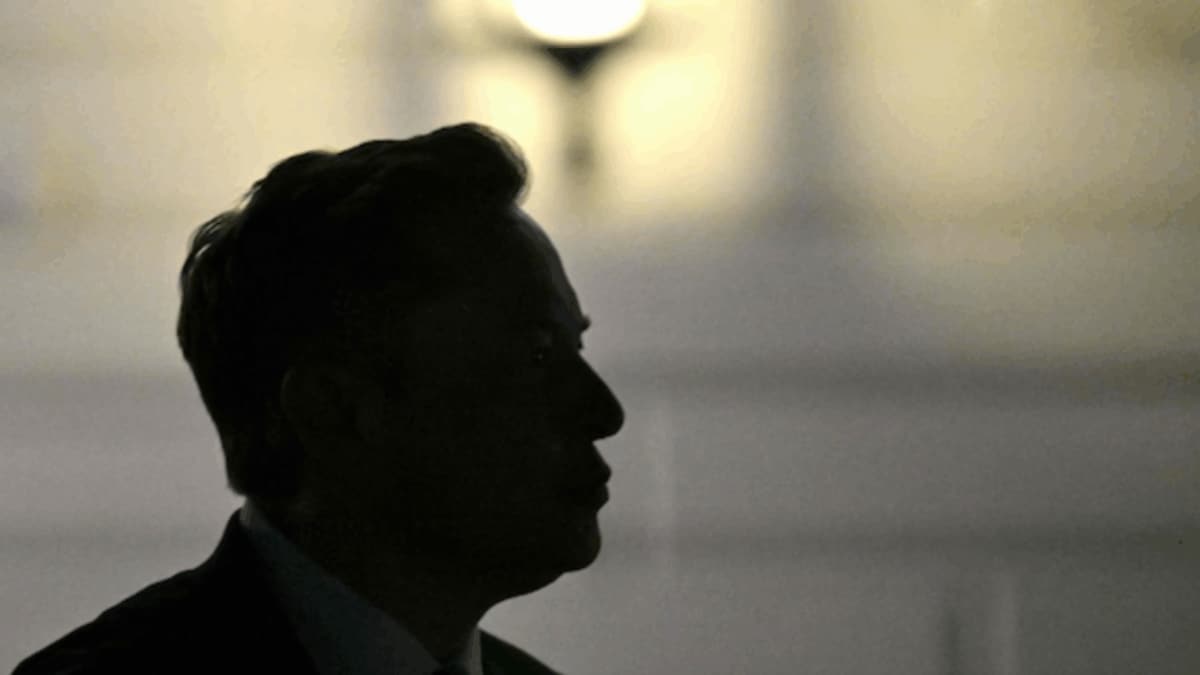
Under Modi's picture used in the piece, she wrote that the Norway PM might have had to agree to Modi's conditions for the visit (likely referring to not taking questions from the press), but she does not.
She also said that it is crucial that reporters ask questions to the government instead of just accepting "talking points".
In another post on X, Lyng wrote, “Journalism is sometimes confrontational. We seek answers,” adding, “If any interview subject, especially with power, does not answer what I asked, I will try to interrupt and get a more focused response. That is my job and duty.”
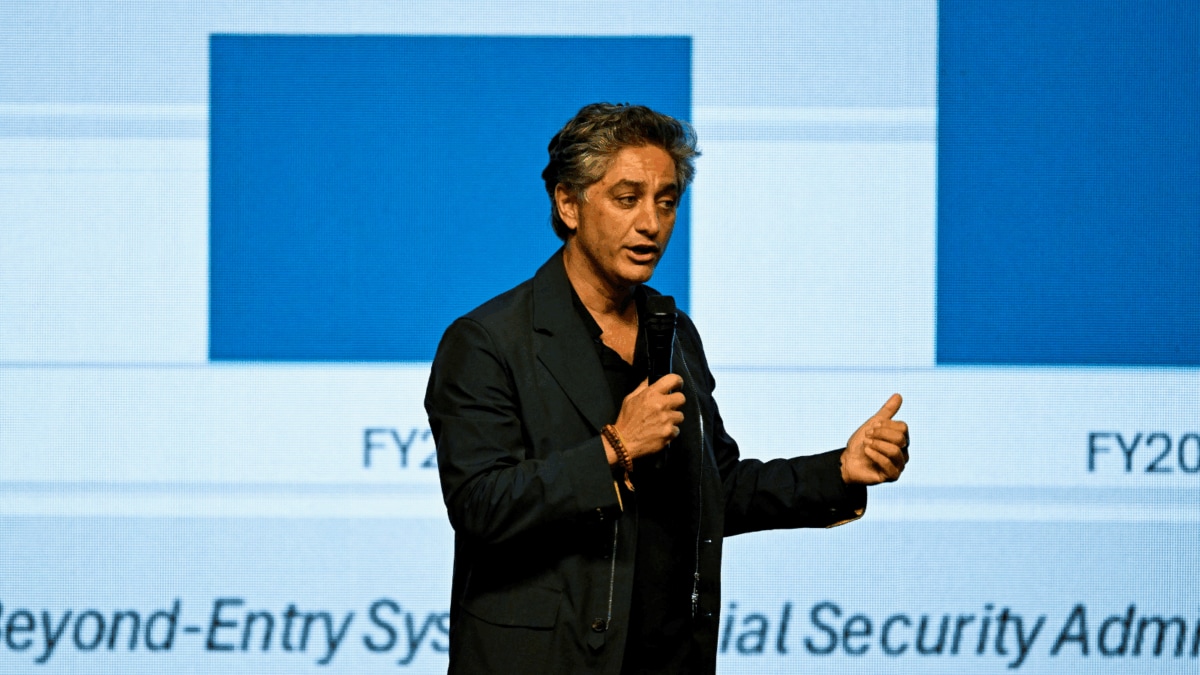
This was most likely her take on India's Sibi George's response to her question during a press briefing by India's Ministry of External Affairs, which also took place in Oslo. Lyng questioned George, who is the MEA secretary (west) about concerns regarding India's human rights conditions and why foreign journalists should "trust" the government of India.
In his response, George spoke on India's constitutional values of justice, liberty, and freedom of expression, along with Covid vaccine diplomacy, yoga as well as the long history of India's civilisation. When Lyng interrupted him to seek 'specific answers', George said, “Please don’t interrupt me,” adding, “You ask a question, don’t ask me to answer in a particular way.”





 English (US) ·