
 3 days ago
1
3 days ago
1
ARTICLE AD BOX
Last Updated:January 21, 2026, 13:30 IST
The Aurora Borealis (Northern Lights) and Aurora Australis transformed ordinary skies into canvases of colour across several countries.
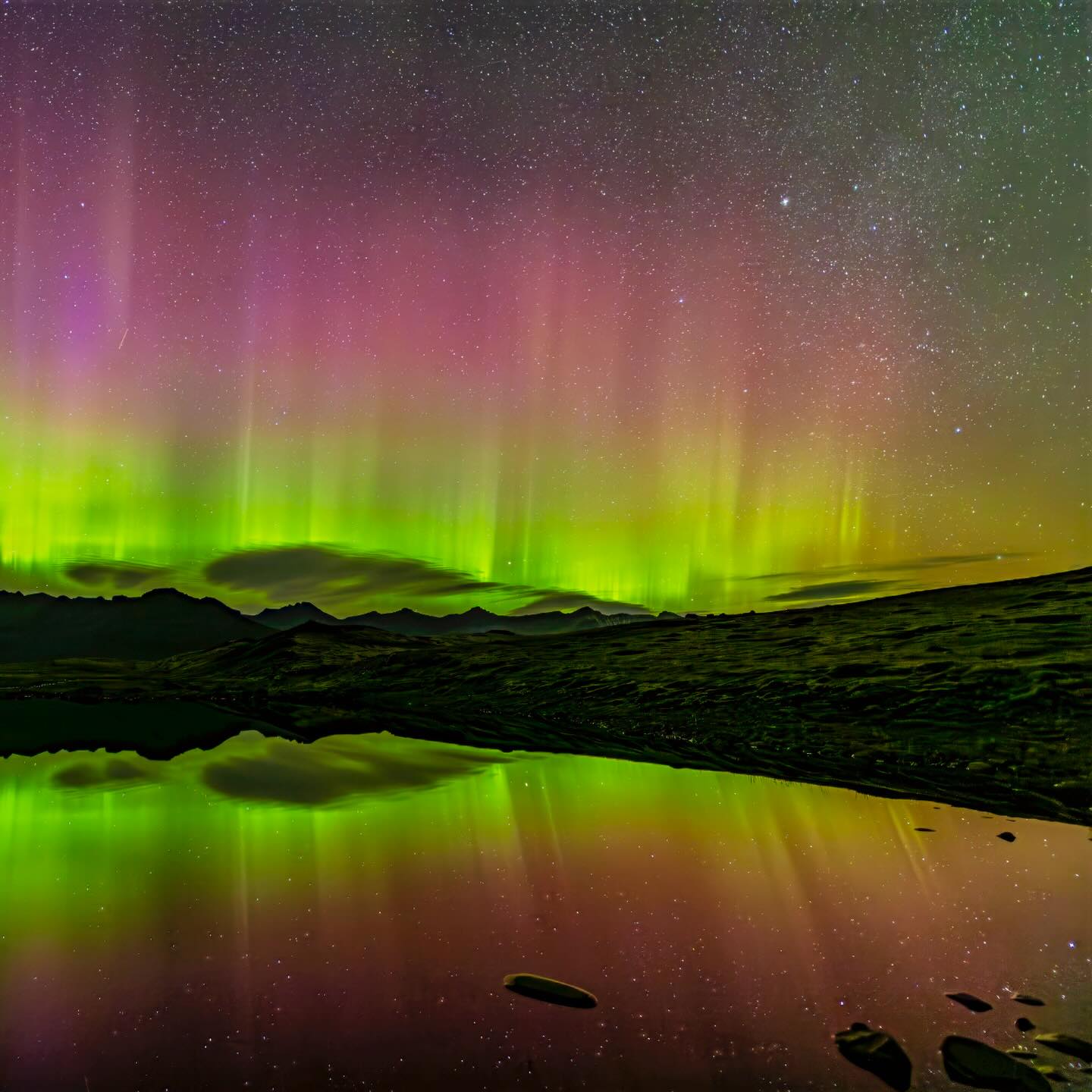
In January 2026, Earth witnessed one of the most powerful solar storms in over two decades, unleashing breathtaking auroral displays across both hemispheres. The Northern Lights (Aurora Borealis) and Aurora Australis lit up skies far beyond their usual polar boundaries, captivating millions with a celestial spectacle. (Image: Instagram)
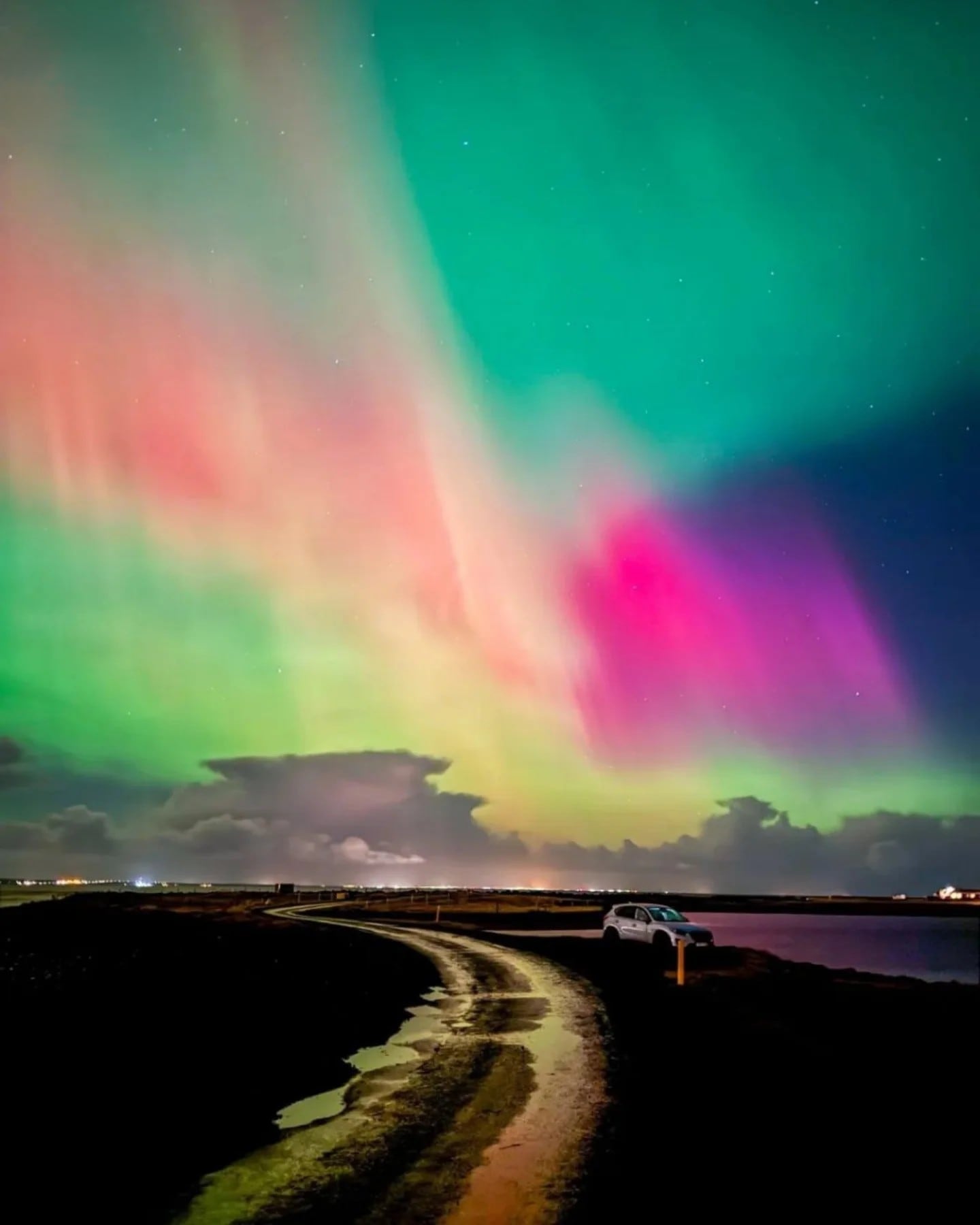
On January 18, the Sun released an intense X-class solar flare, the strongest in 23 years. This eruption hurled a Coronal Mass Ejection (CME) toward Earth, slamming into our planet’s magnetic field the following day. The impact escalated geomagnetic conditions to G4 “severe” storm levels, according to NOAA’s Space Weather Prediction Centre. (Image: Instagram)
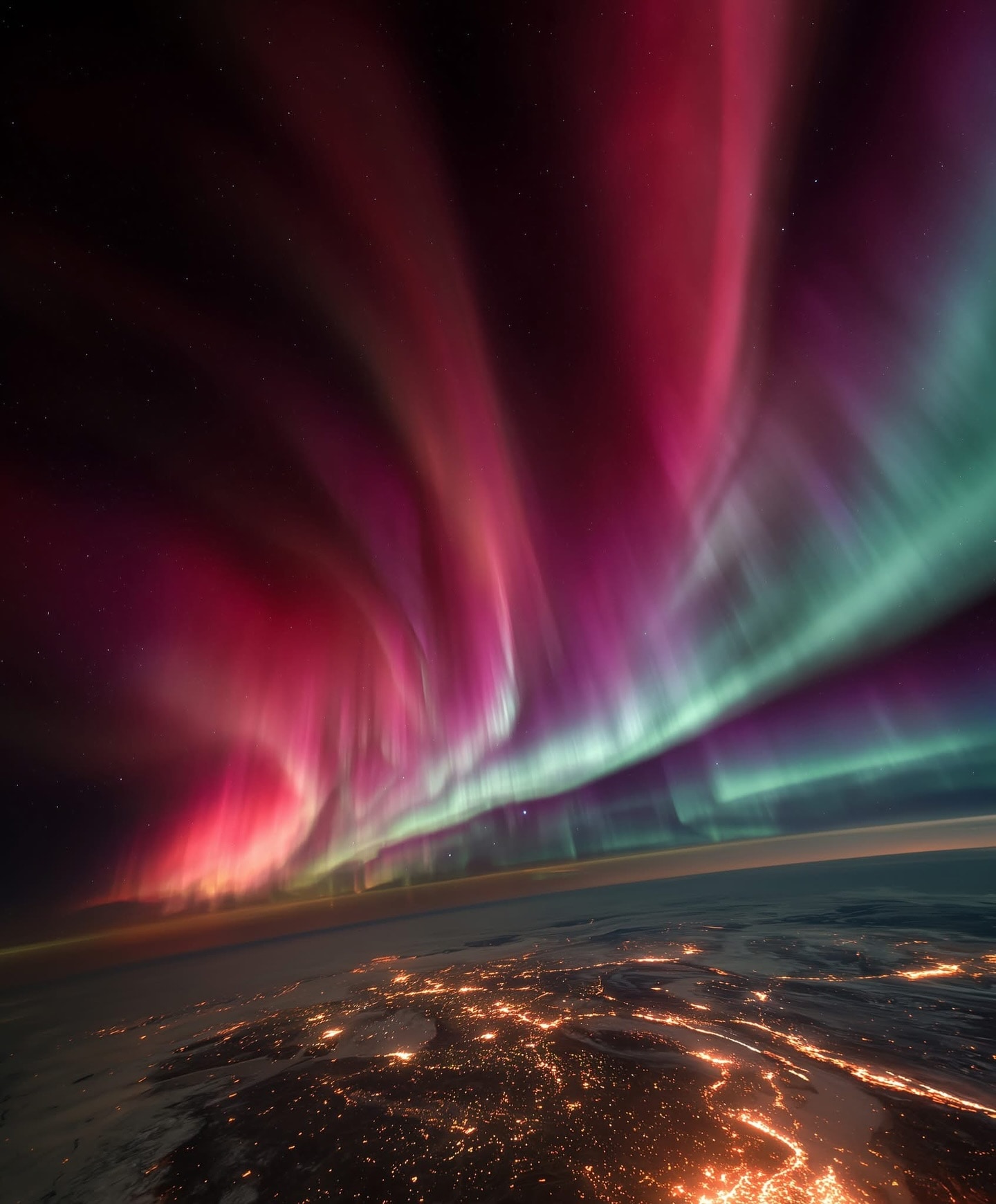
The Aurora Borealis, usually confined to high latitudes, spilled into regions rarely touched by the phenomenon. Reports confirmed sightings across the UK, the Netherlands, and even parts of the United States, where residents marveled at green and purple curtains of light dancing across the night sky. (Image: Instagram)
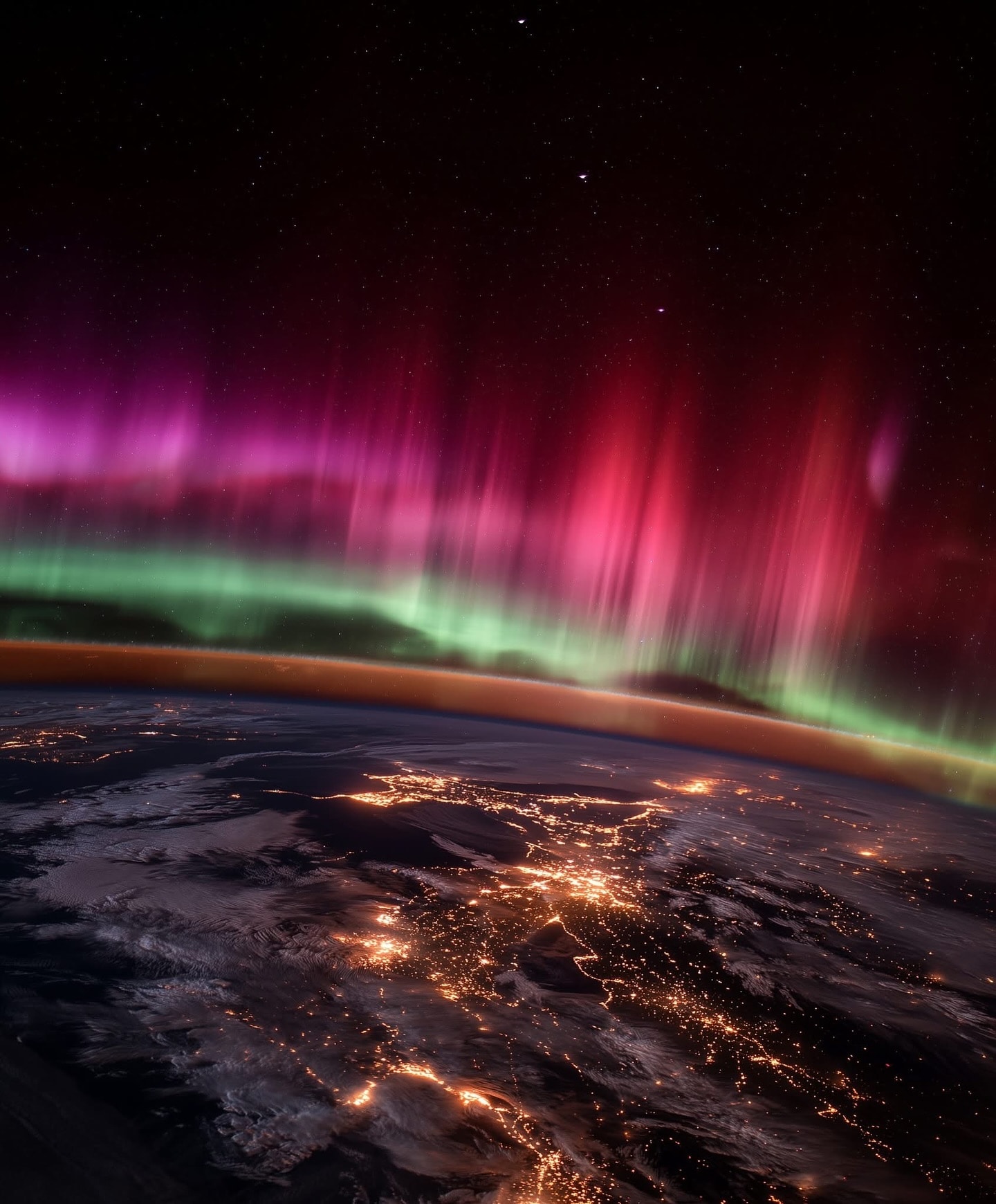
Simultaneously, the southern hemisphere experienced dazzling Aurora Australis displays. Australians and New Zealanders witnessed vivid pinks, purples, and greens illuminating skies as far north as Queensland. In Hobart, Tasmania, the aurora painted Mount Wellington in surreal hues, while photographers in Invercargill, New Zealand captured sweeping arcs of light over coastal horizons. (Image: Instagram)
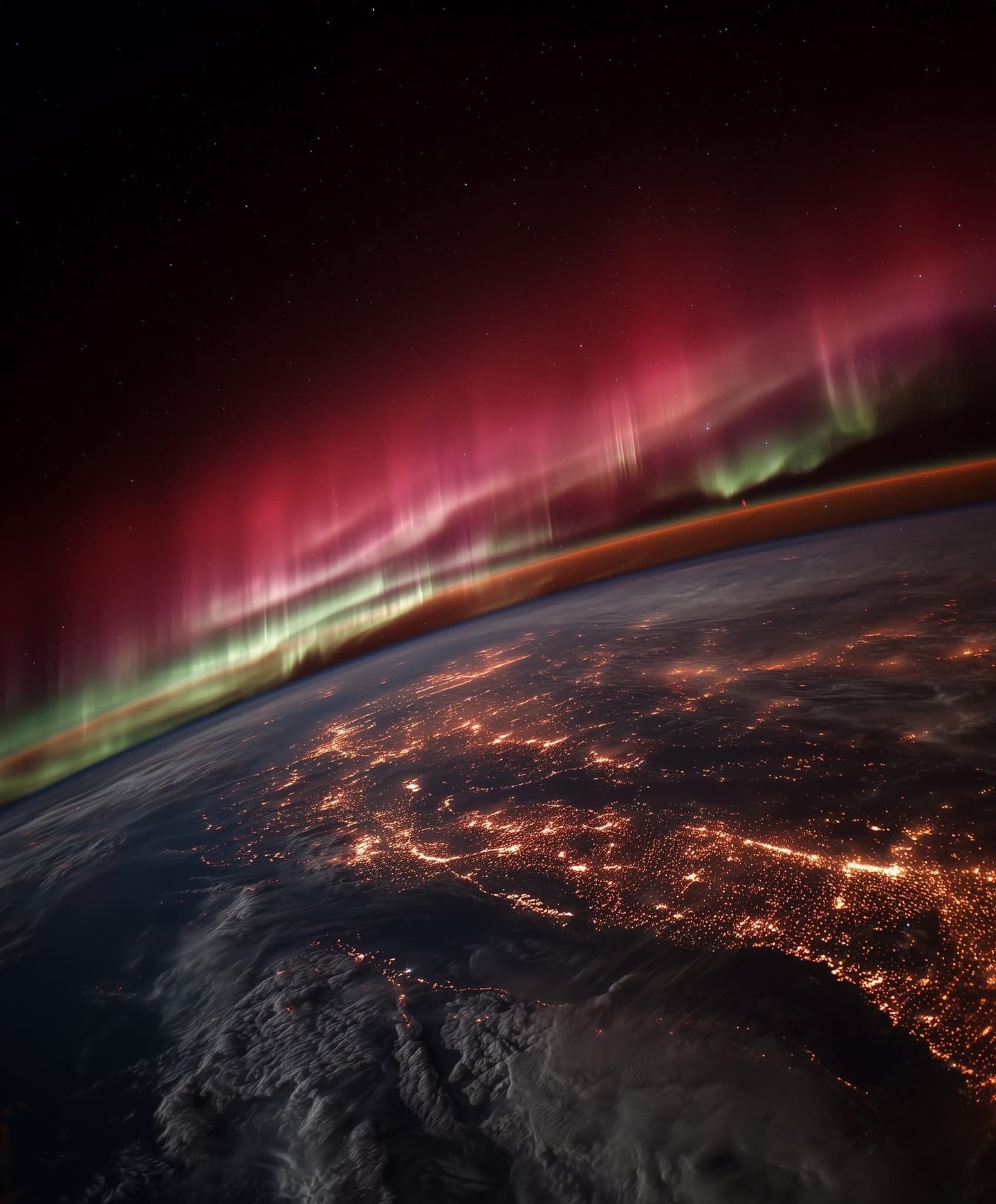
Auroras form when charged particles from solar storms collide with Earth’s atmosphere. These interactions excite oxygen and nitrogen molecules, producing glowing colors. Green typically comes from oxygen at lower altitudes, while reds and purples emerge from higher atmospheric layers. The January storm’s intensity allowed these lights to be visible far beyond their usual zones. (Image: Instagram)
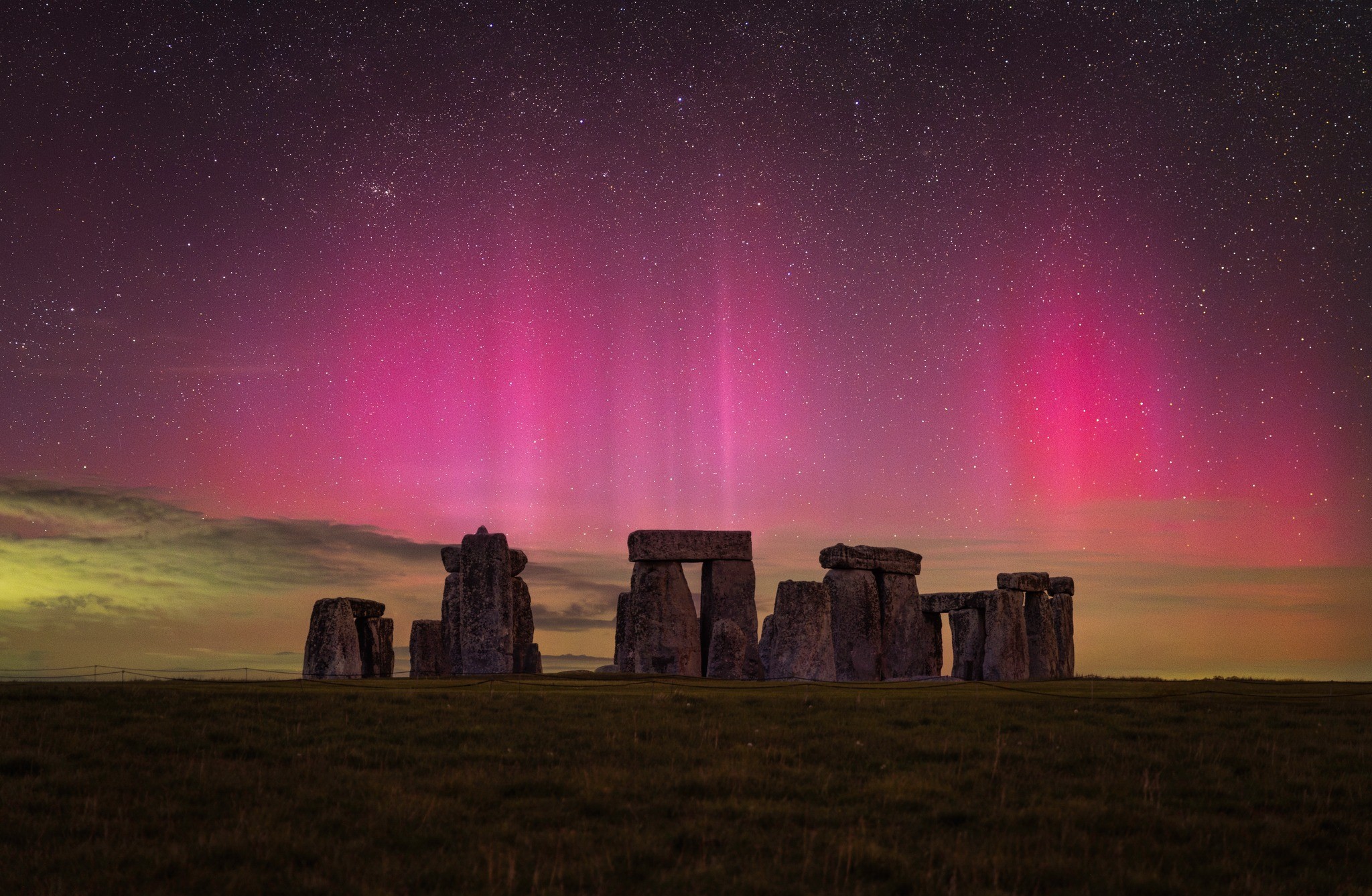
What made this storm remarkable was its global reach. Auroras were reported across Europe, North America, Australia, and New Zealand, making it one of the most widespread auroral events in living memory. Scientists note that 2026 is a peak period in the Sun’s 11-year cycle, meaning more such storms could occur in the coming years. (Image: Facebook)
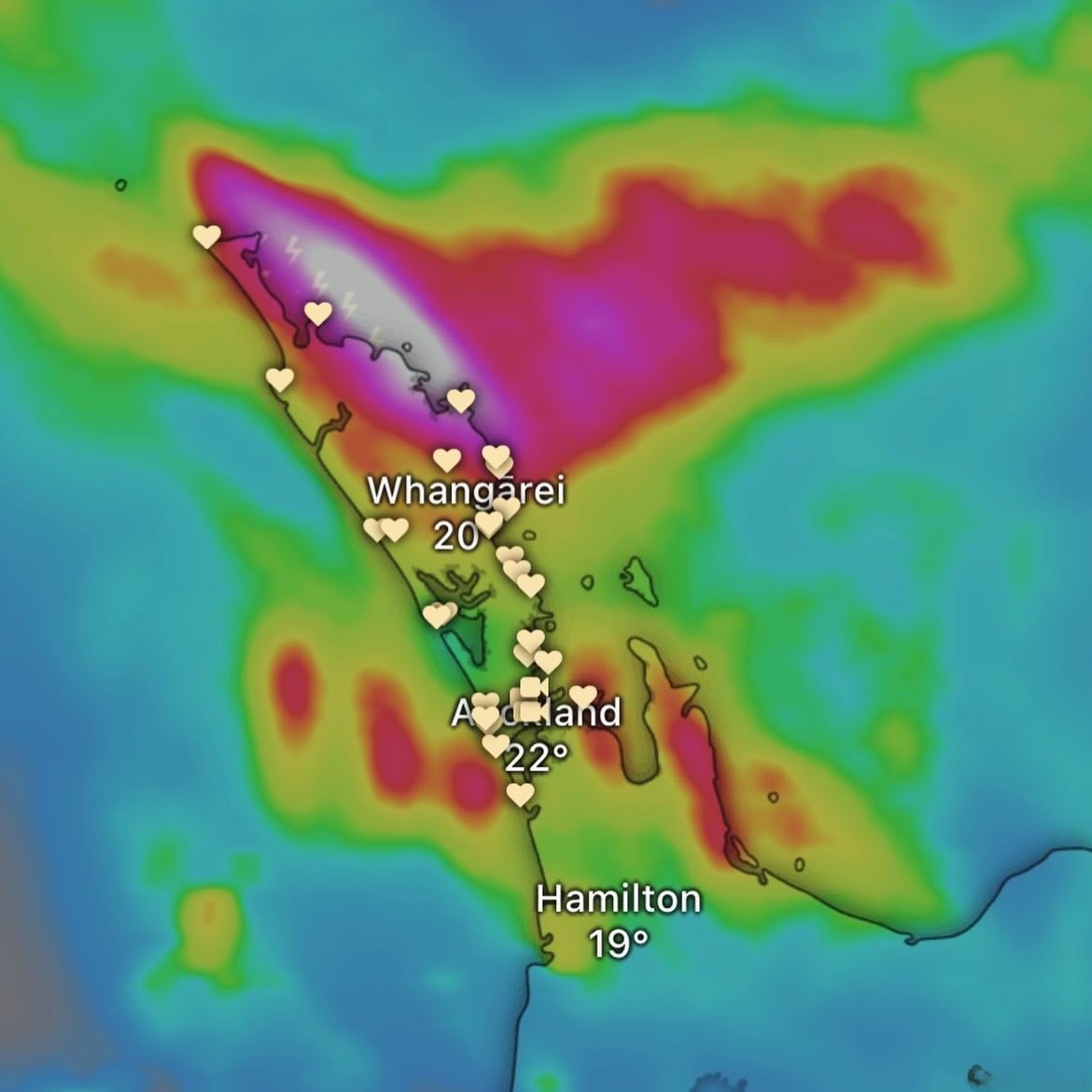
Social media flooded with images and videos, as people described the lights as “otherworldly,” “spiritual,” and “a reminder of nature’s power.” Communities gathered outdoors, braving cold nights to witness a spectacle that united people across continents. (Image: Instagram)
News Photogallery world Solar Storm 2026: Incredible Aurora Images From Around The World








 English (US) ·