
 1 day ago
2
1 day ago
2
ARTICLE AD BOX
Last Updated:April 22, 2026, 19:42 IST
Iran’s political system has long relied on behind-the-scenes figures who could bridge rival camps, settle disputes and deliver consensus but currently the role is missing.


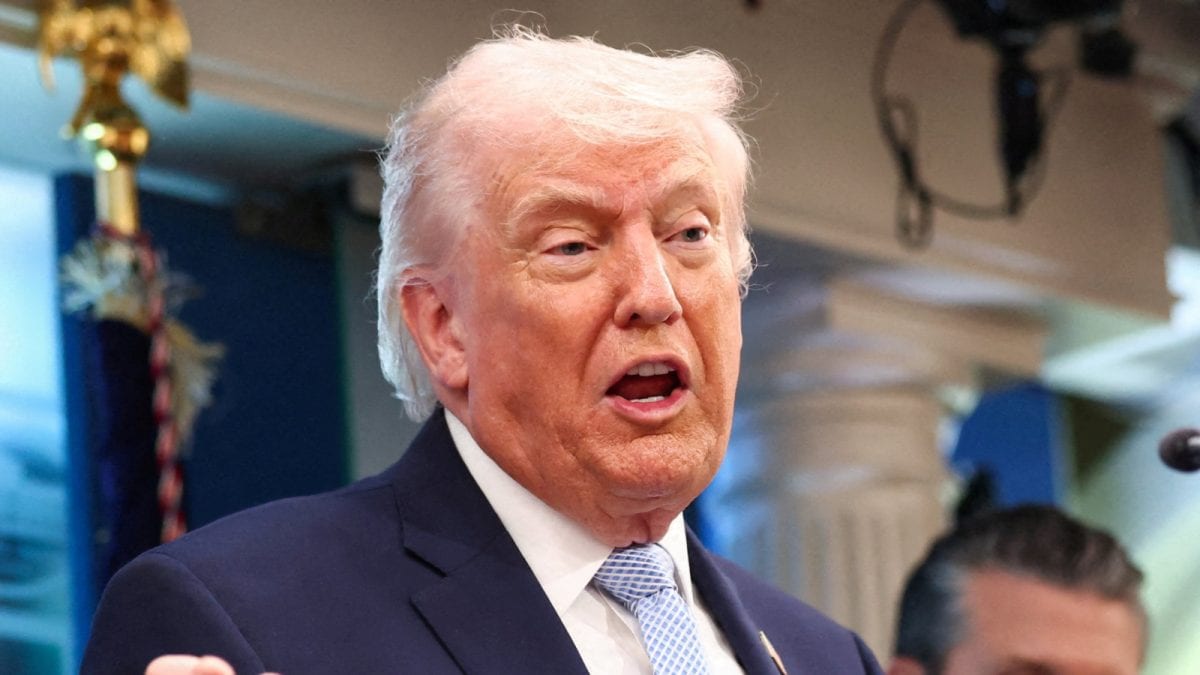
Iran's Supreme Leader Mojtaba Khamenei and US President Donald Trump (right). (File)
Iran arrived at the negotiating table battered, bloodied and under immense pressure but not defeated. Tehran’s military chain of command has been hit, senior figures killed, cities shaken and its economy squeezed harder than ever. Yet Tehran still holds leverage, still commands armed networks across the region and still has the power to prolong instability if talks collapse.
Read more: If US Goes To War Again, Does It Have Enough Missiles Left After Iran Bombardment?
That is why the real danger to any peace deal may not be American pressure or battlefield losses. It may be the turmoil inside Iran’s own leadership, where rival factions, broken communication and fear of appearing weak are making decisions harder by the day.
Here are five reasons why Iran is unable to sign a peace deal with Trump:
1. Why Is Iran’s Supreme Leader Missing?
At the top of Iran’s political system is a leader few people appear able to reach. Mojtaba Khamenei has not made a verified public appearance in more than six weeks since succeeding his father after his assassination. Reports suggest even negotiators and senior commanders do not have dependable direct access to him. In Iran, no major compromise happens without the supreme leader’s blessing. If that authority is absent, delayed or hidden behind layers of uncertainty, negotiators may be talking abroad without the power to decide at home.
2. Why Are Iran’s Generals Refusing To Bend On Nuclear Issue?
Iran’s military establishment sees the nuclear programme not just as policy but as national leverage. Washington wants serious limits on uranium enrichment and movement on Iran’s stockpiles in exchange for relief from sanctions and embargoes. But commanders in the Revolutionary Guard reportedly view those demands as lines that cannot be crossed.
Read more: ‘Butter Chicken Tsunami’: New Zealand Minister’s India Trade Remark Sparks Racism Row
After weeks of war, many in the security elite believe giving up strategic tools now would look like surrender. Defeat on the battlefield can be absorbed; humiliation in negotiations is harder to sell. This leaves diplomats with little room to offer what the United States wants most.
3. Why Are Iran’s Diplomats And Military Leaders Sending Different Messages?
One of the clearest signs of internal stress is confusion. Iran’s foreign ministry and military leadership appear increasingly out of sync, with officials contradicting one another, shifting positions and rolling back earlier signals. Negotiators may say one thing in talks, only for hardliners or commanders to undermine it later. Peace talks become far harder when no one knows whose word counts.
4. Why Is There No Strong Power Broker Holding The System Together?
Iran’s political system has long relied on behind-the-scenes figures who could bridge rival camps, settle disputes and deliver consensus but currently the role is missing. The Supreme National Security Council, which should coordinate security and diplomacy, is seen as weaker than in previous years. Without a respected operator capable of managing generals, clerics and politicians at once, disputes are lingering instead of being resolved.
5. Does Iran Fear Its Own Public More Than Washington?
Even if leaders agree internally, they still have to sell any compromise to the people. Many Iranians are exhausted by war, sanctions and isolation. Others, especially the regime’s loyal base, expect strength and resistance. Any concession to Washington risks being portrayed by rivals as surrender after sacrifice.
Handpicked stories, in your inbox
A newsletter with the best of our journalism
First Published:
April 22, 2026, 19:42 IST
News world The Art Of No Deal: 5 Reasons Why Iran's Leadership Is Unable To Sign A Peace Truce With Trump
Disclaimer: Comments reflect users’ views, not News18’s. Please keep discussions respectful and constructive. Abusive, defamatory, or illegal comments will be removed. News18 may disable any comment at its discretion. By posting, you agree to our Terms of Use and Privacy Policy.
Read More





 English (US) ·