
 14 hours ago
1
14 hours ago
1
ARTICLE AD BOX
Last Updated:May 12, 2026, 12:33 IST
For Trump, the biggest risk may be that the trip designed to project strength instead highlights how much the balance has shifted since his first China visit in 2017


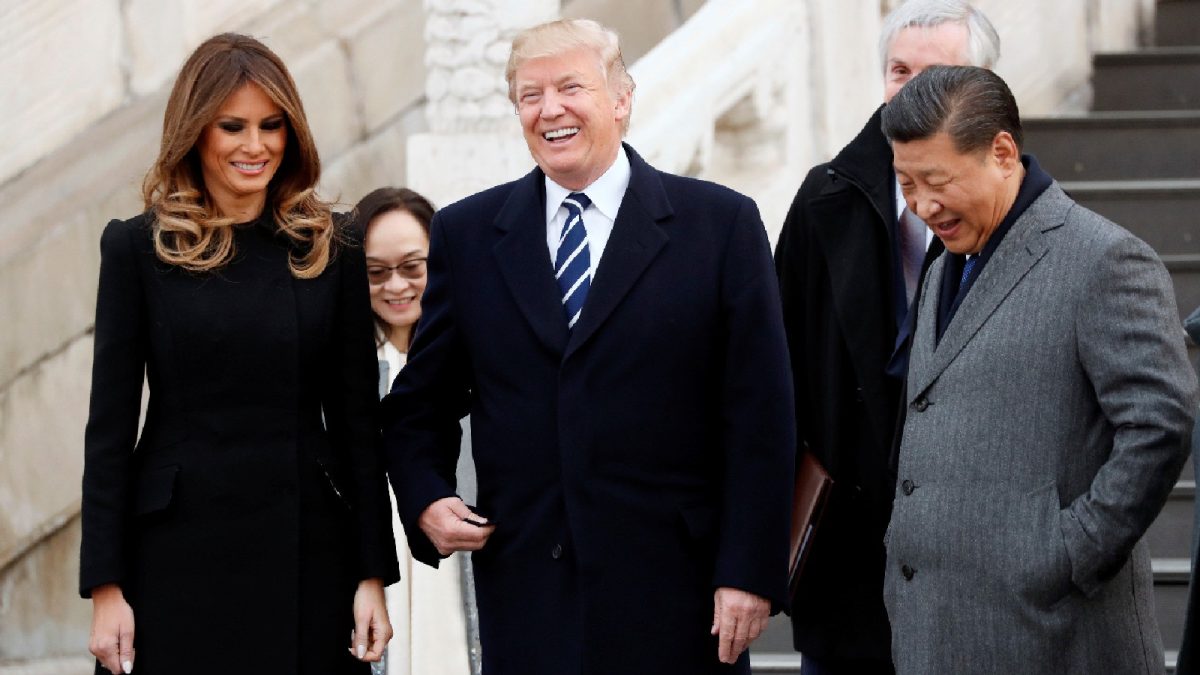
Donald Trump’s earlier tariff offensive against China has run into legal and economic complications, while Beijing has adapted better than many in Washington expected. (AFP)
When Donald Trump heads to Beijing on May 13 for talks with Xi Jinping, the optics may resemble a grand diplomatic summit between two powerful leaders. But beneath the ceremony, analysts say the visit may actually expose how much leverage the US President has lost after the Iran war, tariff setbacks and growing geopolitical pressures.
Far from arriving in a position of dominance, Trump is increasingly seen as the leader who now needs deliverables more urgently than Xi does, according to Reuters.
Iran War Changed Power Dynamic
The biggest factor hanging over the summit is the ongoing Iran crisis.
ALSO READ | Musk In, Huang Out: Who’s Going With Trump To China, Who Is Not And Why?
According to Reuters, Trump enters Beijing politically weakened after months of military escalation in the Middle East hurt his approval ratings, strained US resources and failed to produce a decisive strategic outcome.
The war also forced Washington into an uncomfortable position: asking China for help. Reuters reported that US officials have openly urged Beijing to pressure Iran and help stabilise the Strait of Hormuz, a key global oil route disrupted by the conflict. That alone marks a significant shift from Trump’s earlier hardline posture toward China.
Analysts quoted by The Guardian say this creates an unusual negotiating imbalance because Trump now appears dependent on Xi’s cooperation to secure diplomatic progress.
Xi Can Afford To Wait. Can Trump?
One of the most crucial factors in this relationship is timing.
ALSO READ | Trump-Xi Summit: What Both Sides Expect From The High-Stakes Beijing Talks
Trump faces domestic political pressure ahead of midterm elections and is looking for visible foreign-policy wins. Reuters reported that expectations from the summit have already been downgraded to modest trade announcements and symbolic agreements rather than any major breakthrough.
Xi, meanwhile, appears under far less immediate pressure. The Washington Post noted that Beijing increasingly sees itself as the more stable global power while portraying America as distracted and unpredictable after the Iran conflict.
That perception matters diplomatically. If one side appears desperate for outcomes while the other can simply wait, bargaining power naturally shifts.
Tariff Strategy Weakened
Another reason analysts believe Trump may arrive weakened is that some of his biggest pressure tools have lost effectiveness.
Reuters reported that Trump’s earlier tariff offensive against China has run into legal and economic complications, while Beijing has adapted better than many in Washington expected.
ALSO READ | US-Iran War Ceasefire Hangs In Balance: Is China Visit Influencing Trump’s Decisions?
The BBC noted that China has also gained leverage from America’s strategic distractions in the Middle East. Beijing now knows Washington wants cooperation not only on trade, but also on energy stability, Iran and global shipping routes. That broadens Beijing’s negotiating room considerably.
China May Use Iran As Bargaining Chip
Experts expect Xi to use China’s relationship with Tehran carefully during the summit.
Beijing has influence with Iran because China remains a major buyer of Iranian oil and maintains diplomatic channels with the Iranian leadership. But analysts told Reuters that China is unlikely to act “solely at Washington’s behest".
That means Xi can potentially tie cooperation on Iran to concessions elsewhere, including technology restrictions, tariffs, Taiwan-related rhetoric, semiconductor controls, or broader trade issues. In effect, the more Washington needs Chinese help on Iran, the more negotiating leverage Beijing gains elsewhere.
Symbolism Also Favours Xi
The summit’s location matters too.
Unlike a neutral international venue, Trump is travelling to Beijing as Xi’s guest. Chinese statecraft traditionally uses such visits to project authority, stability and hierarchy.
The Washington Post observed that Xi now enters meetings with Trump far more confident than during Trump’s first term, after consolidating power domestically and expanding China’s technological and strategic capabilities.
At the same time, Trump’s image as an unpredictable negotiator may not carry the same intimidation value it once did. Analysts cited by Guardian suggest Beijing has spent years learning how to manage Trump’s style and wait out pressure tactics.
A Limited “Win"?
The challenge for Trump is that expectations themselves have changed.
Reuters reported that even optimistic forecasts revolve around relatively small outcomes like temporary trade truces, agricultural purchases or Boeing deals, not sweeping geopolitical breakthroughs.
That creates political risk.
If Trump presents modest agreements as major victories, critics may argue the summit exposed how constrained America’s position has become after the Iran conflict. But if the summit ends without meaningful progress, it could reinforce perceptions that Xi successfully resisted US pressure. Either outcome risks feeding the narrative that Beijing now holds more leverage in the relationship.
Why Visit Matters Globally
The summit is not just about bilateral ties anymore.
The Iran war, oil disruptions, Taiwan tensions, semiconductor restrictions and global economic uncertainty have all become interconnected. Analysts say the meeting may reveal whether the United States can still simultaneously manage crises in the Middle East and strategic competition with China.
According to The Washington Post, for Xi, the visit is an opportunity to reinforce China’s preferred global narrative: that Beijing is a steady power willing to engage diplomatically while Washington appears overstretched by conflict and volatility.
And for Trump, the biggest risk may be that the trip designed to project strength instead highlights how much the balance has shifted since his first China visit in 2017.
Handpicked stories, in your inbox
A newsletter with the best of our journalism
Location :
United States of America (USA)
News explainers The Beijing Gamble: Stung By Iran, Can Trump Avoid Looking Desperate For A Deal?
Disclaimer: Comments reflect users’ views, not News18’s. Please keep discussions respectful and constructive. Abusive, defamatory, or illegal comments will be removed. News18 may disable any comment at its discretion. By posting, you agree to our Terms of Use and Privacy Policy.
Read More




 English (US) ·