
 2 hours ago
1
2 hours ago
1
ARTICLE AD BOX
Last Updated:March 03, 2026, 12:54 IST
The name often surprises many people because it sounds like part of the open ocean.
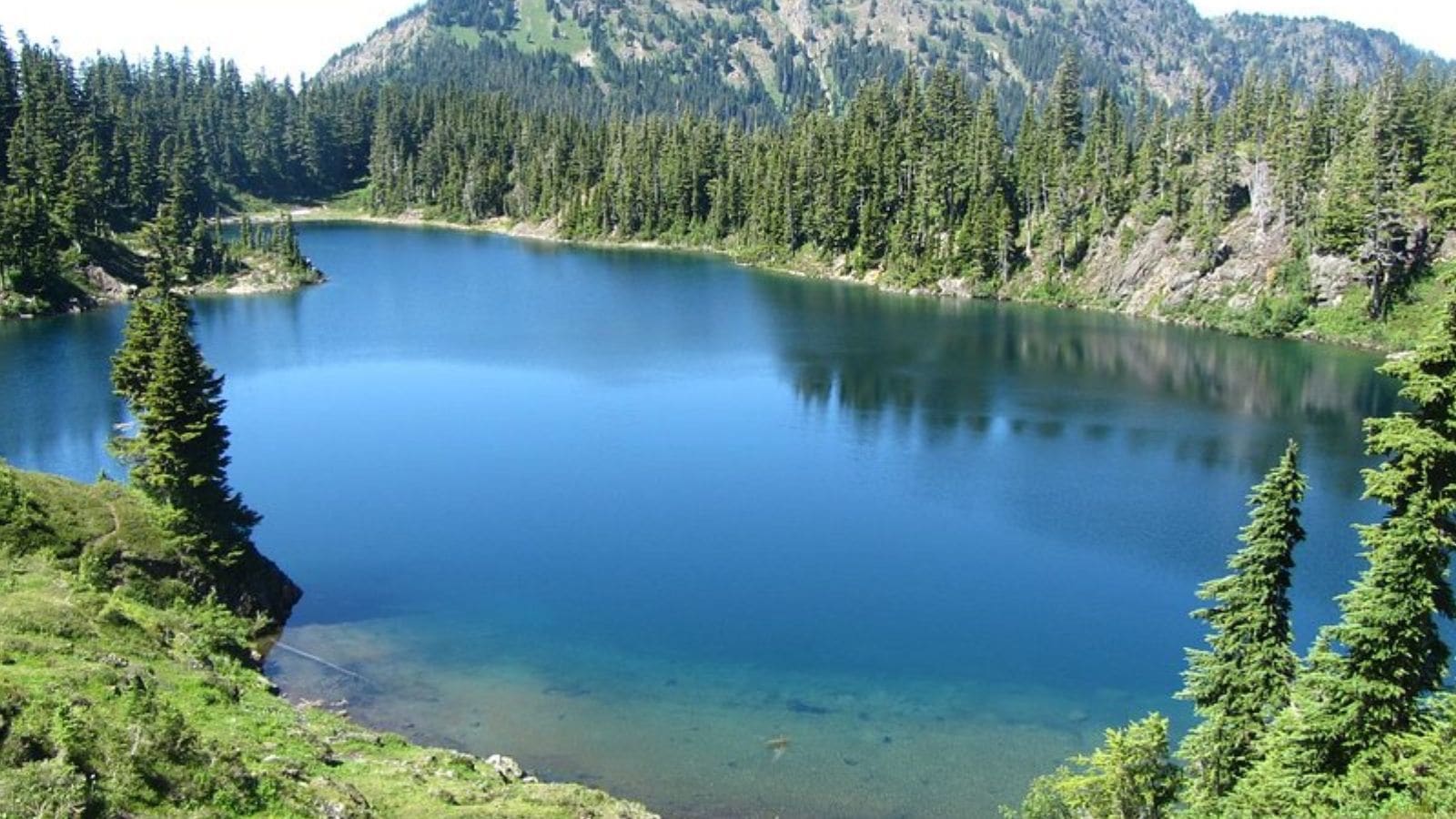
Across the globe, millions of lakes are spread over different countries and landscapes. Some are small and quiet. Others are vast and powerful. But one lake is larger and deeper than most people imagine.
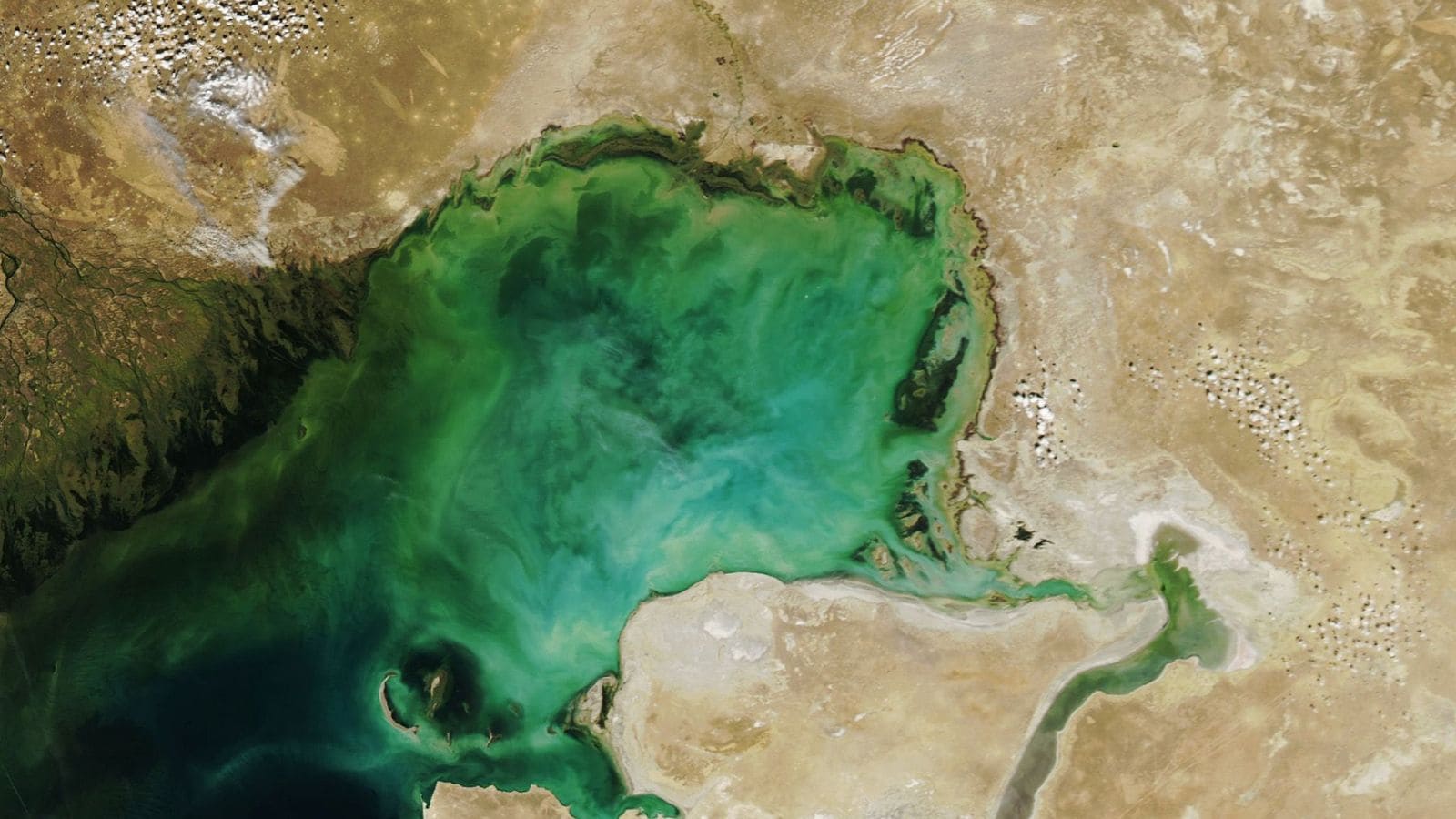
The world’s largest lake is called the Caspian Sea. The name often surprises people. Its water is salty, yet it is completely landlocked, which is why experts still classify it as a lake.
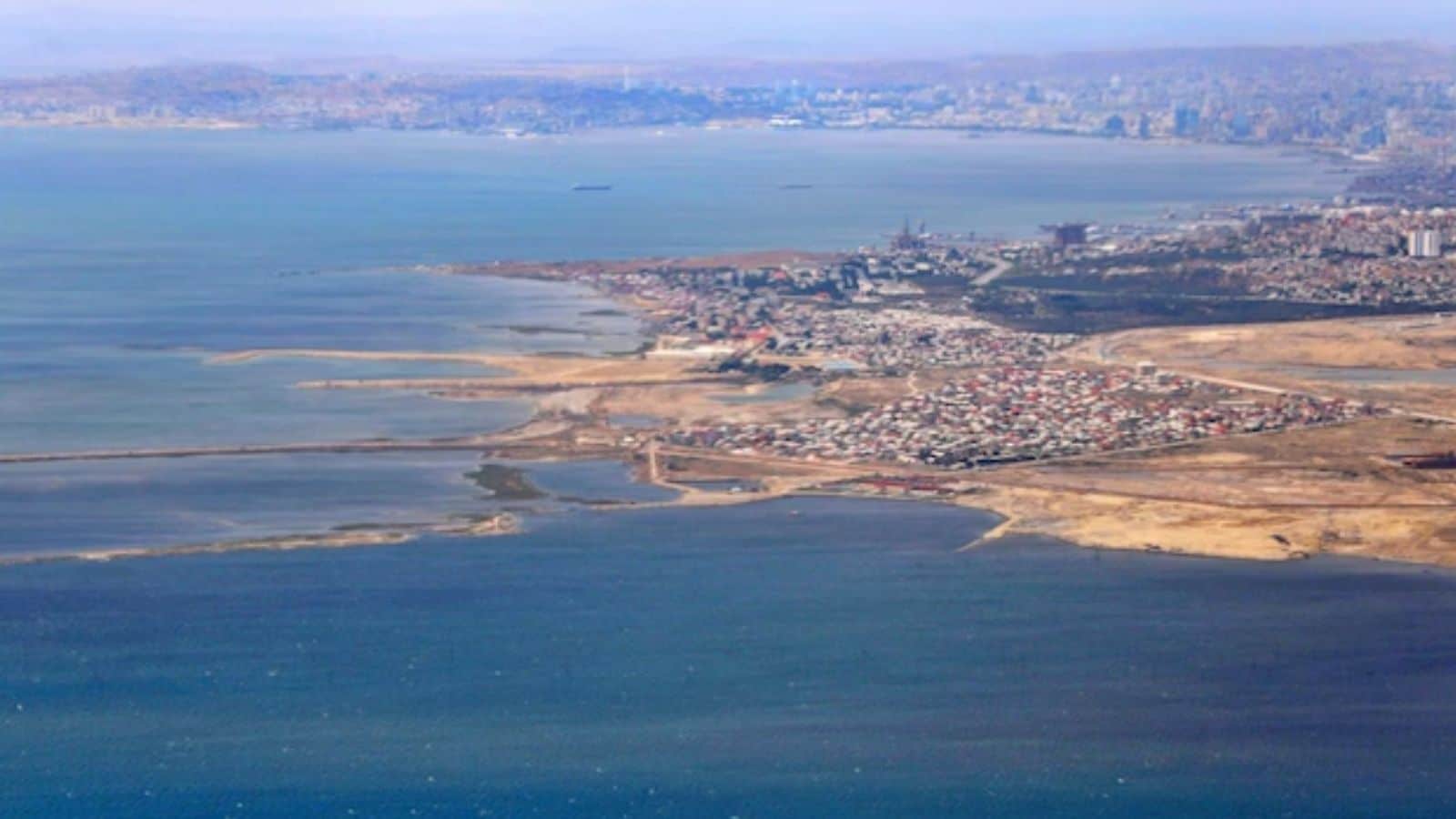
The Caspian Sea lies in the Eurasian region between Europe and Asia. It touches the shores of Russia, Kazakhstan, Turkmenistan, Iran and Azerbaijan.
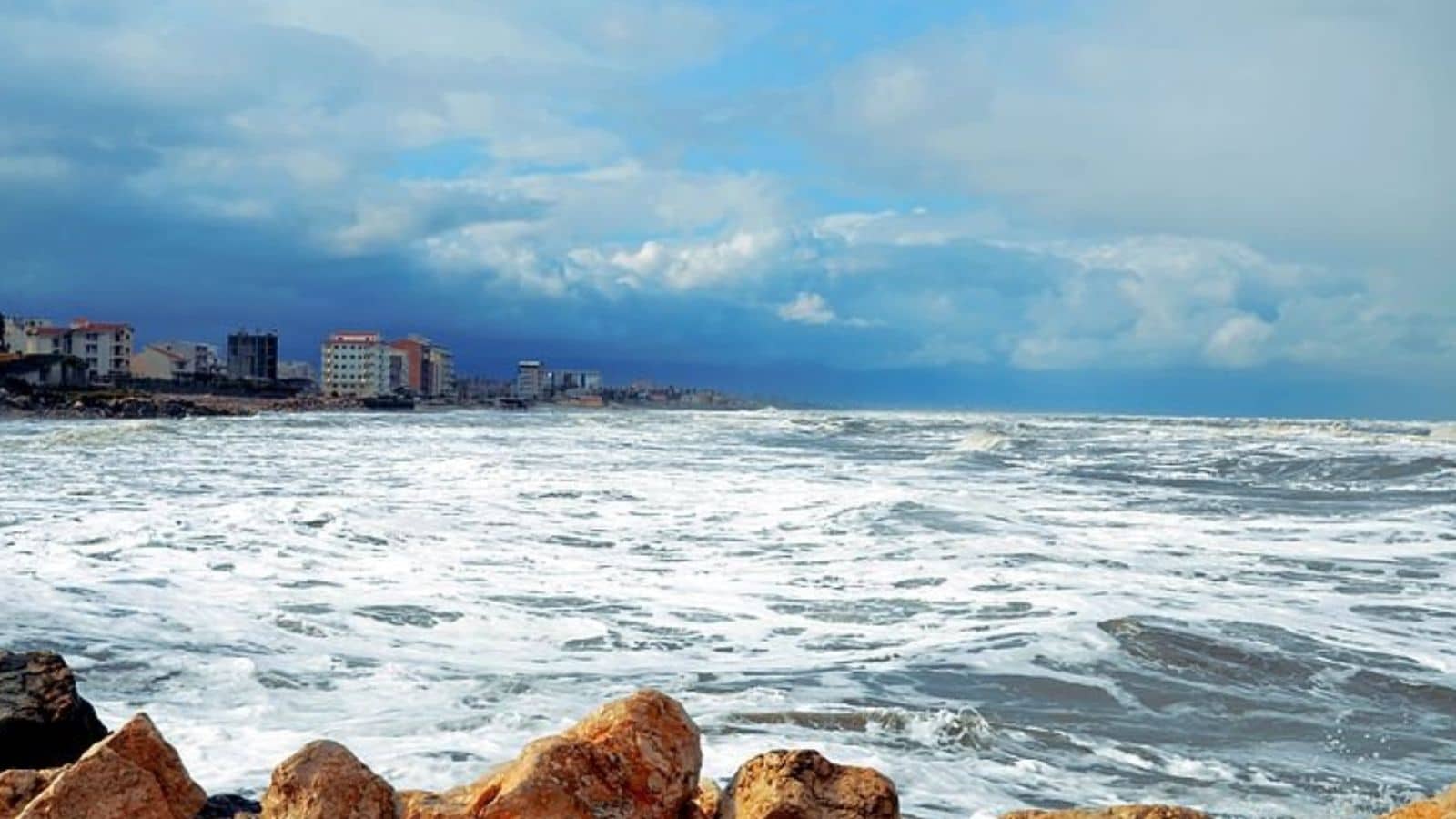
The Caucasus Mountains stand tall along one side of the Caspian Sea. On the opposite side stretch the wide plains of Central Asia, creating a dramatic and varied natural setting.
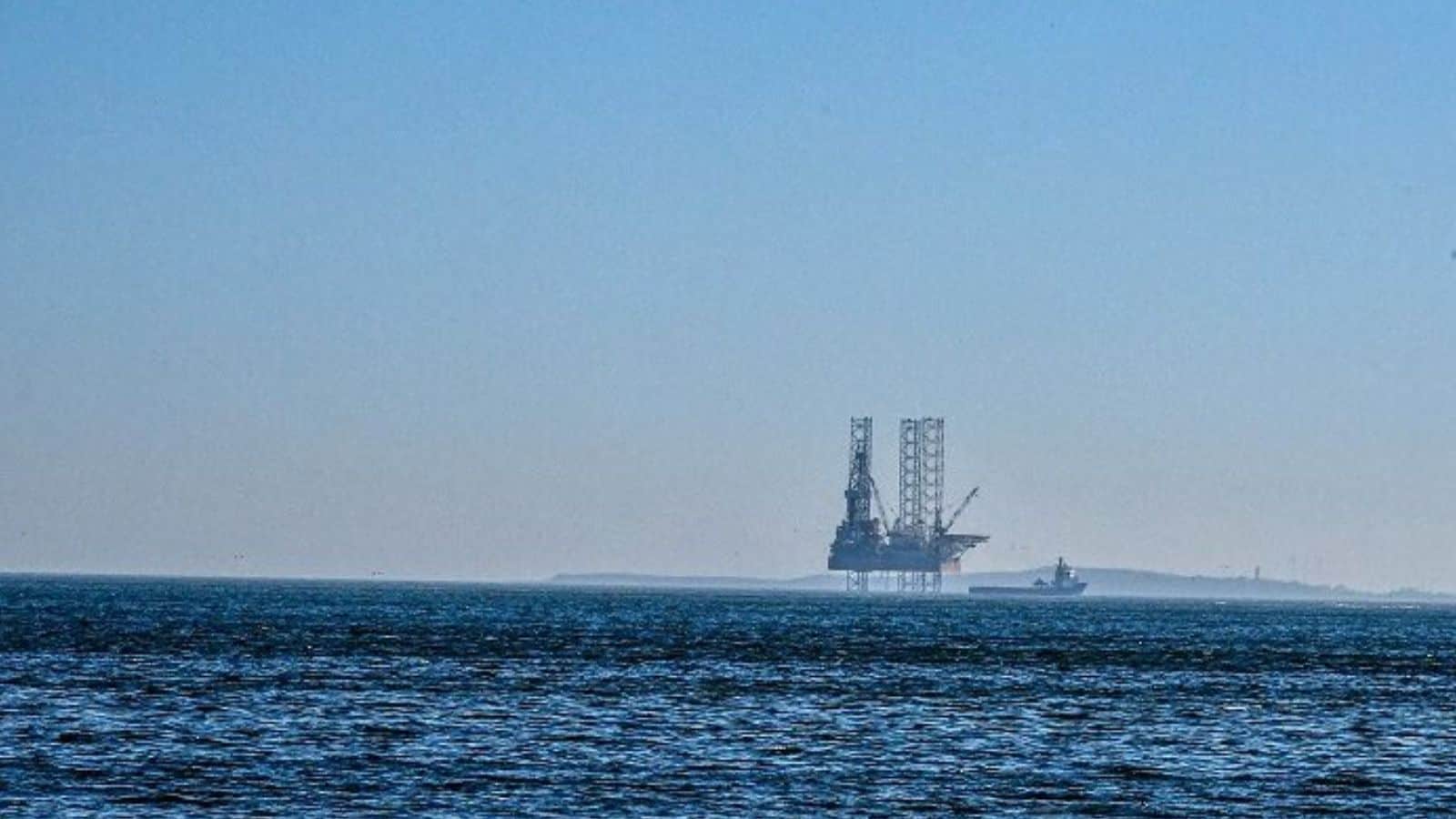
The Caspian Sea covers about 386,400 square kilometres. This makes it slightly bigger than Japan. Its massive size is why it is known as the largest inland body of water.
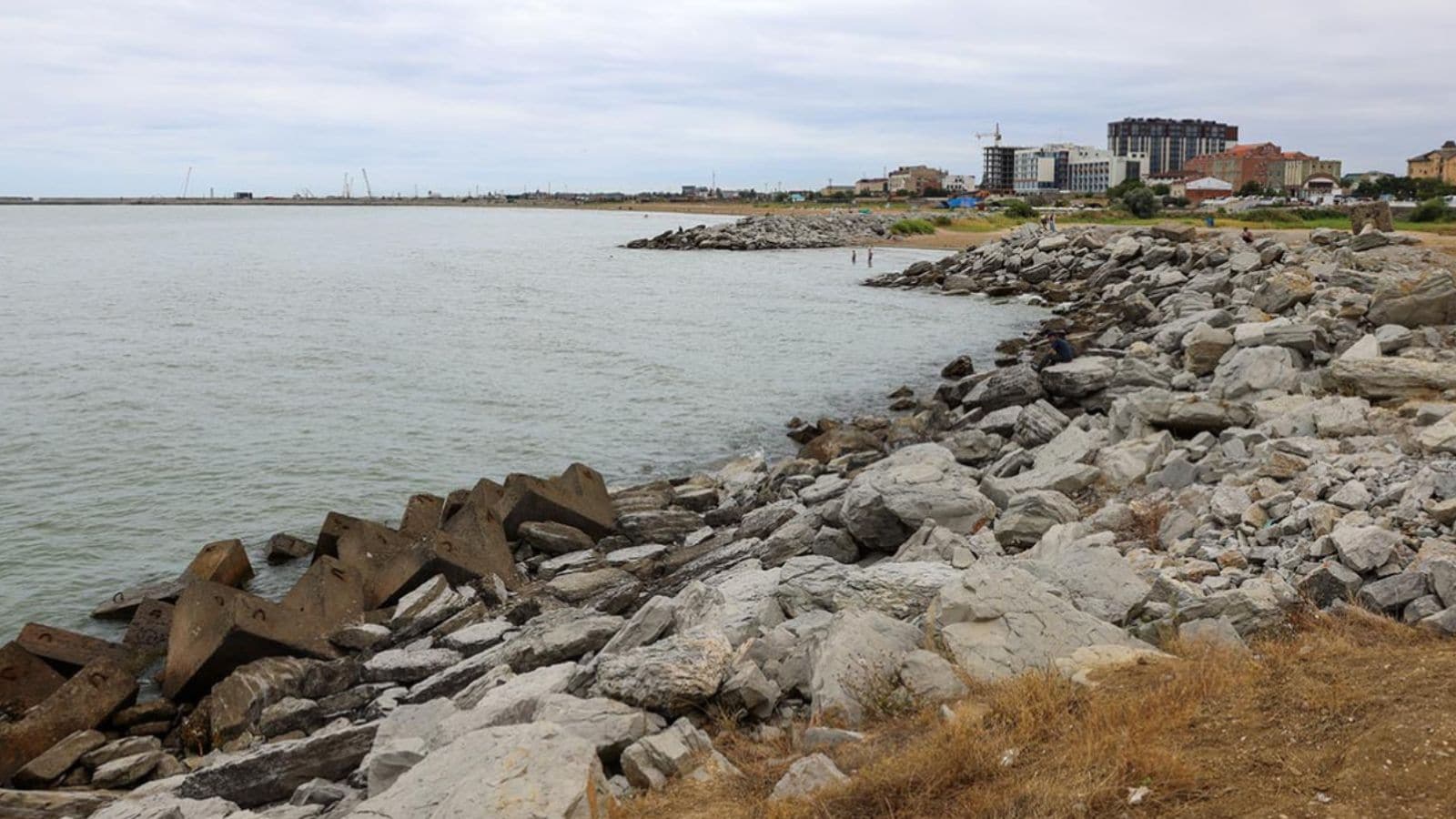
At its deepest point, the Caspian Sea reaches 1,025 metres. Scientists estimate it contains nearly one-third of all inland surface water found across the planet.
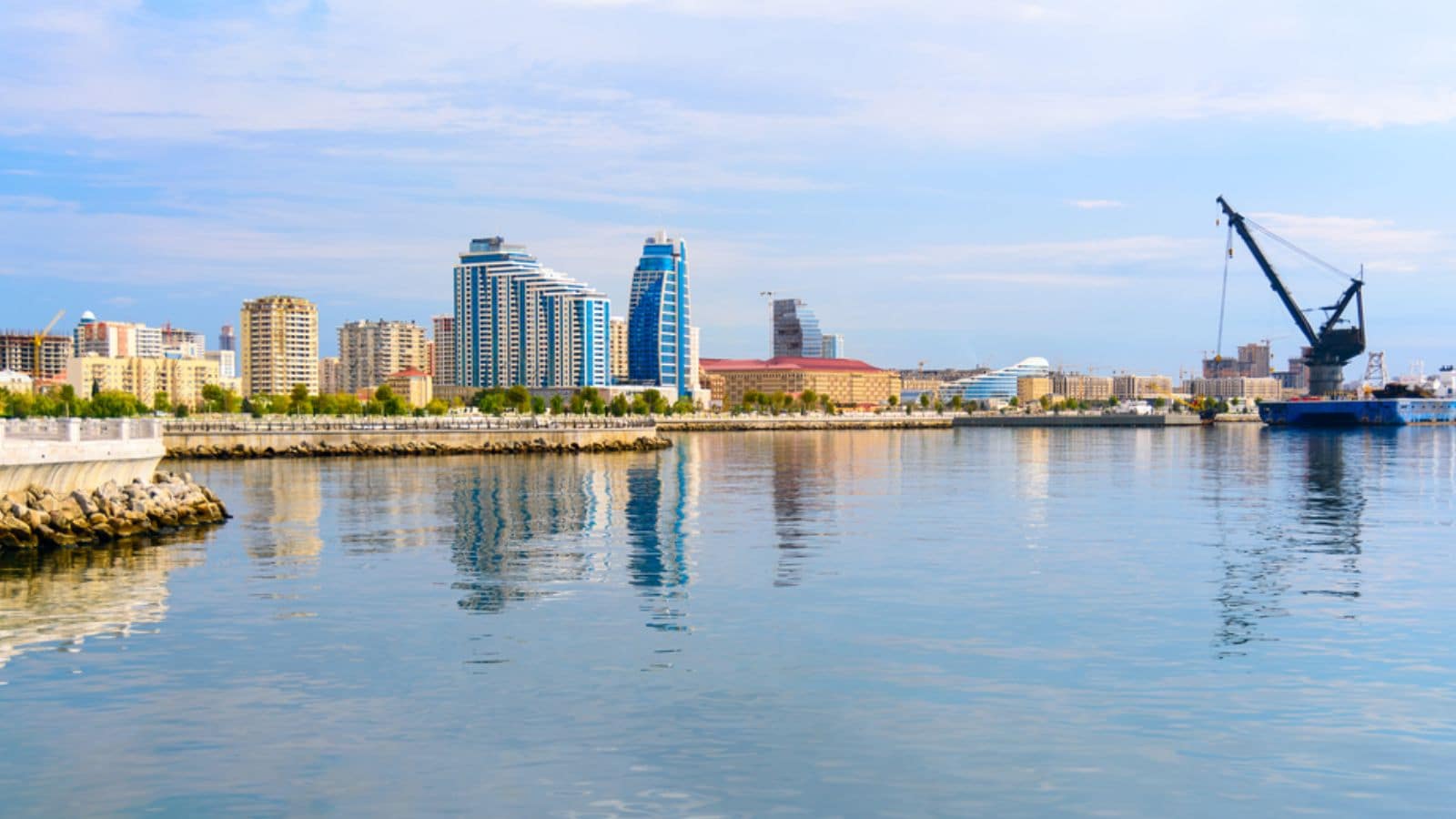
The Caspian Sea holds the record as the world’s largest salt lake. Even though it carries the name “sea,” it has no direct connection to any ocean.
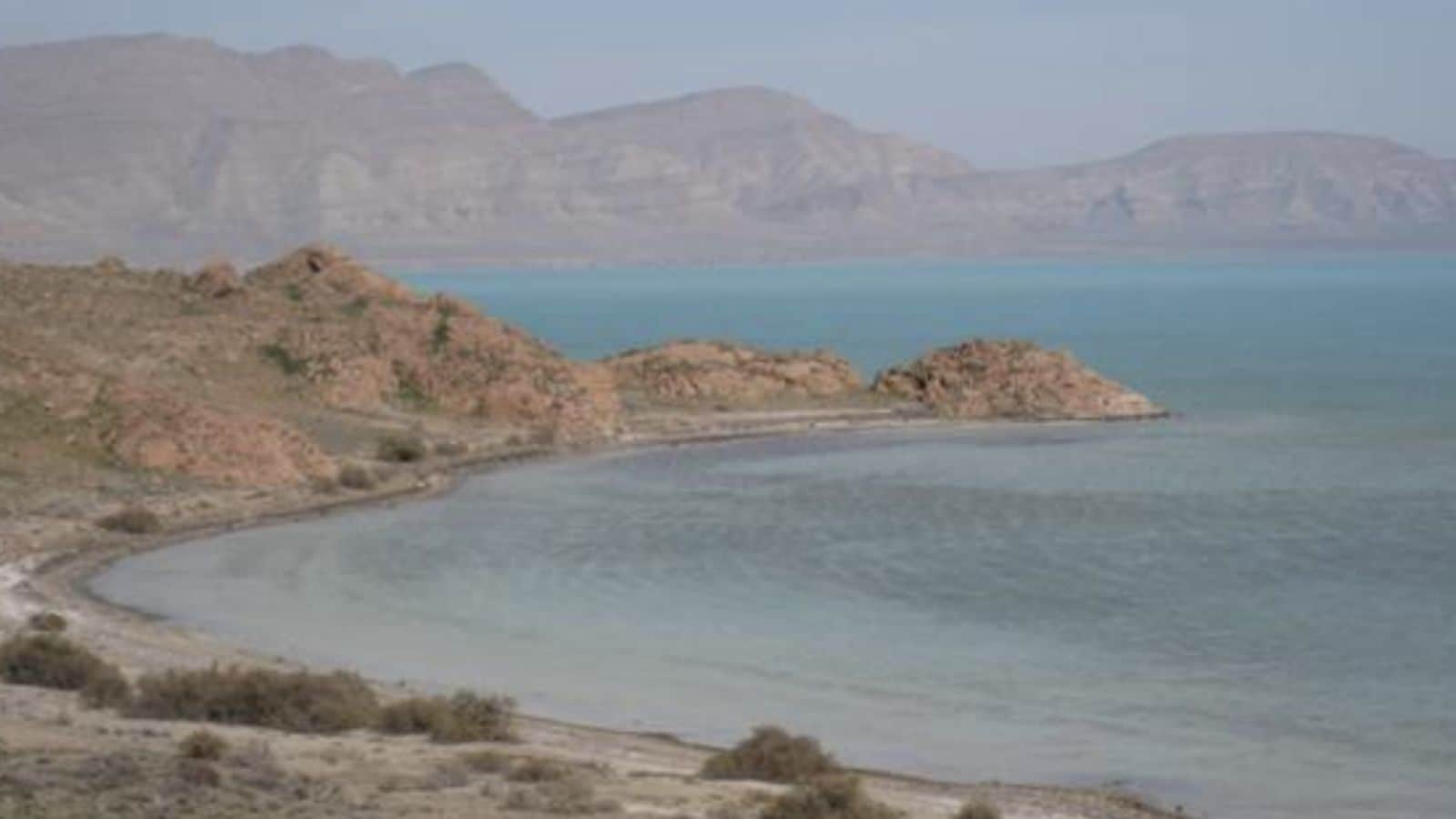
Nearly 50 islands are scattered across the Caspian Sea. It supports the rare Caspian seal, six species of sturgeon, and hundreds of fish and other small aquatic creatures.
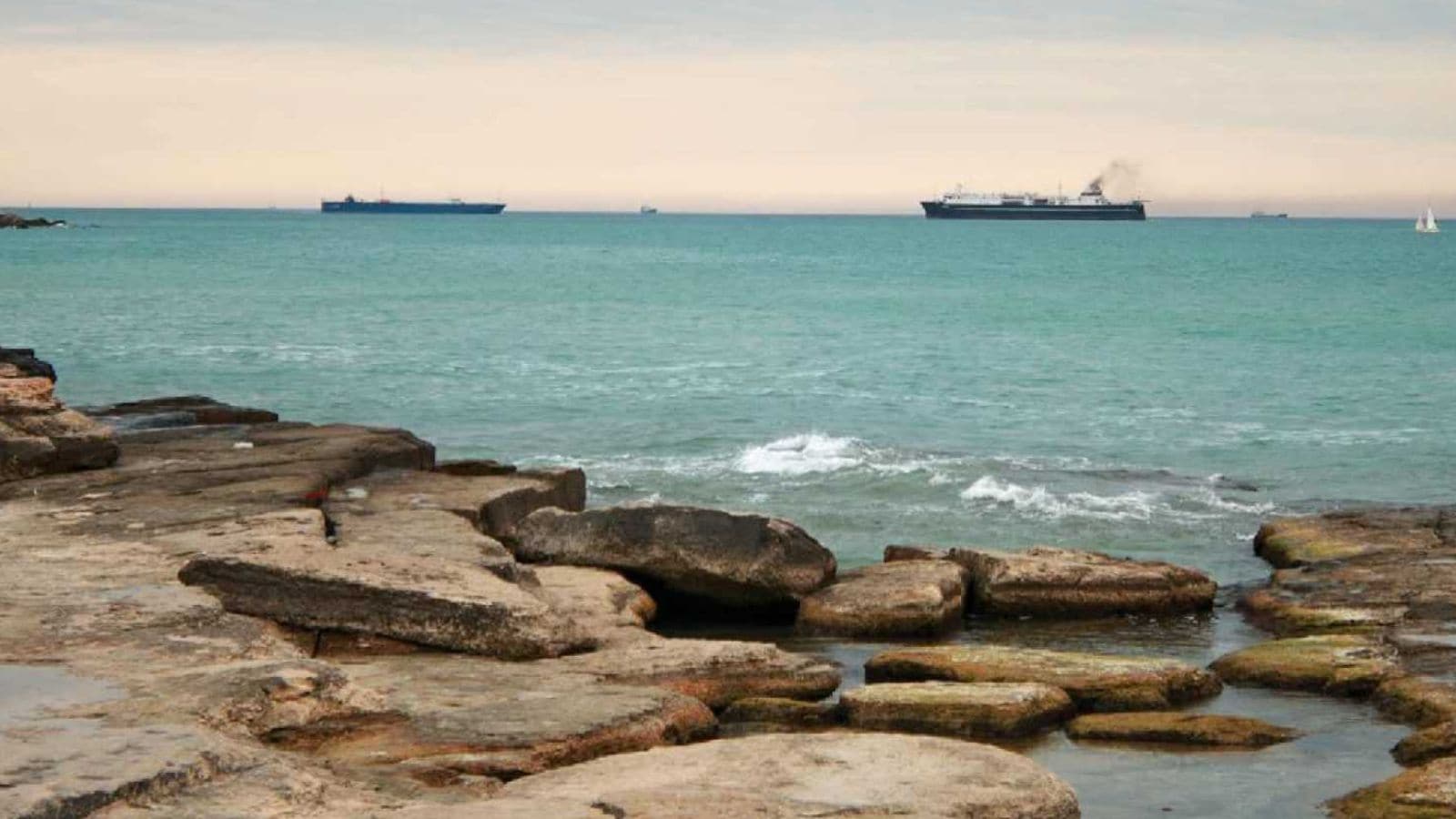
Researchers believe the Caspian seal once travelled from the Arctic region. They likely moved through ancient river systems that disappeared thousands of years ago.
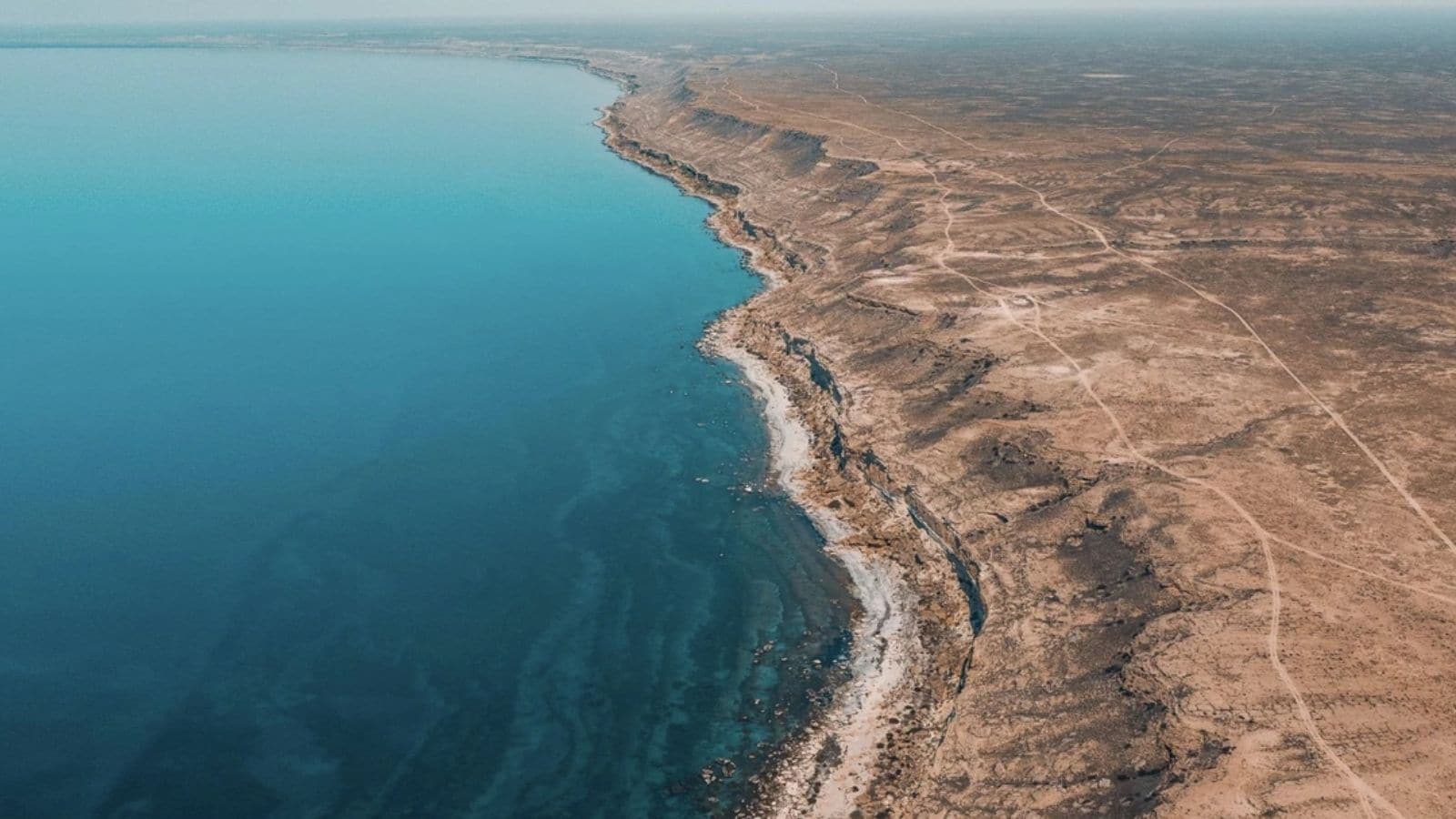
Scientists from Leeds University warn that climate change could shrink the Caspian Sea. They predict an area larger than Iceland may dry up by 2100. The second-largest lake is Lake Superior.
News Photogallery viral This Lake Is Larger Than Japan, Touches Five Country Borders: Are Tourists Allowed? Location, Ticket Price



 English (US) ·