
 3 hours ago
4
3 hours ago
4
ARTICLE AD BOX
Last Updated:May 12, 2026, 22:09 IST
Trump's visit to China is the first by a sitting US president in nearly ten years, after his last visit to Beijing in 2017.


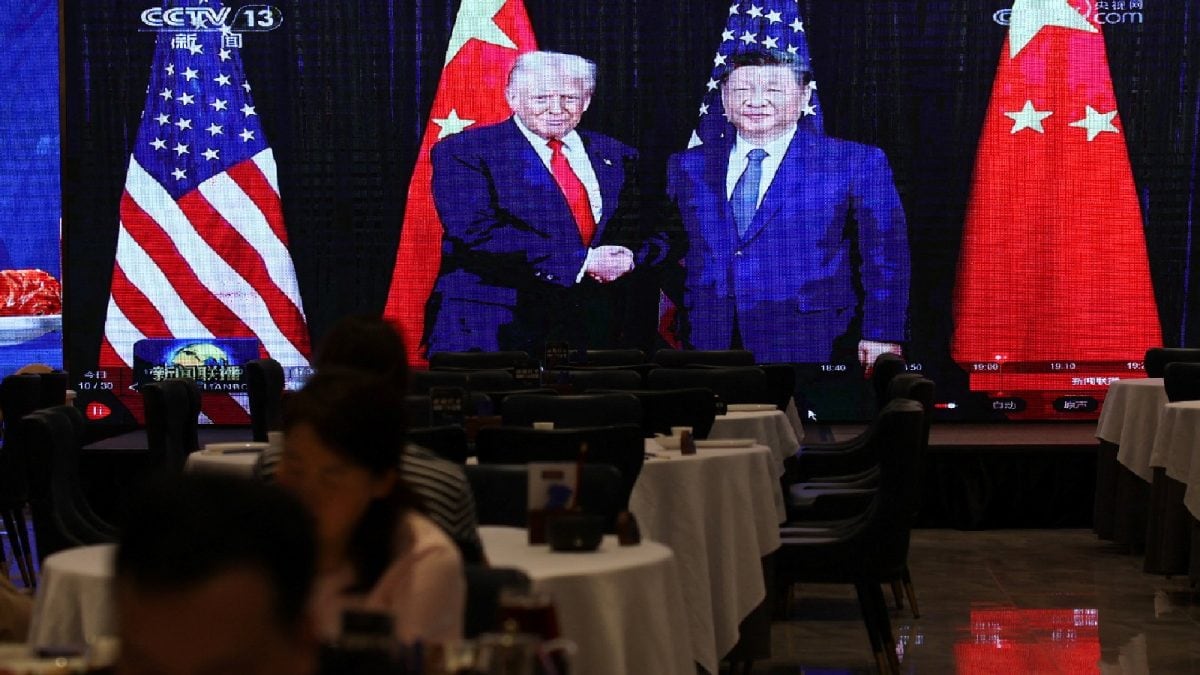
US President Donald Trump will meet Chinese President Xi Jinping in a closely watched visit. (Reuters/File)
US President Donald Trump is set to embark on a state visit to China to meet his Chinese counterpart Xi Jinping in a closely-watched trip that could define Washington’s relations with Beijing as the world reels from the economic impact of the West Asia war.
After months of harsh rhetoric and steep tariffs on China, Trump will mark the first state visit by a US president to Beijing, after his last trip to China in 2017 during his first term. Trump and Xi will hold a summit at the Great Hall of the People, tour the UNESCO-heritage site Temple of Heaven, dine at a state banquet and take tea and lunch together.
Trump’s visit comes amid mounting pressure to end the war in the Gulf region, along with a series of bruising court rulings that have weakened the American position in trade talks. The US is also struggling to achieve after beginning a punishing war against Iran, underscoring a massive diplomatic challenge.
ALSO READ: ‘I Don’t Trust Pakistan’: Republican Senator Slams Islamabad’s Mediator Role In Iran Peace Talks
Focus On Iran War
The most important aspect of the Trump-Xi talks is the ongoing war in the Middle East. Trump is expected to urge China to convince Iran to make a deal with Washington to end the war. China maintains ties with Iran and remains a major consumer of its oil exports.
While the war sparked a global economic crisis, China benefited from the conflict. The rising oil prices hurt the US more than China, damaged Trump’s credibility and shifted crucial American military resources from the Indo-Pacific region.
China was already better prepared for any disruptions in the Strait of Hormuz due to its strategic energy reserves, diversified foreign energy supplies, and domestic energy alternatives. The US has attempted to combat China’s influence by imposing sanctions on Chinese companies assisting Iran’s oil shipments.
READ MORE: From Mar-A-Lago To Beijing: Times When Trump And Xi Jinping Came Face-To-Face
Trump attempted to project confidence, saying Xi wanted the crisis to end. However, uncertainty looms large over US peace efforts, especially after Trump claimed Iran’s ceasefire was on “life support" after rejecting Tehran’s latest proposal to end hostilities.
According to CNN, several of Trump’s aides close to him say he is now weighing a return to large-scale military operations more seriously than at any point in recent weeks.
China’s Demands On Taiwan
While the US is frustrated with China over its ties with Iran, Xi is equally frustrated with Trump over Taiwan, which China claims as its own territory. The US remains the most important international backer and arms supplier for the democratically governed island, even after following the “one-China policy".
Last December, the Trump administration announced a huge arms sale worth around $11 billion to Taiwan, which includes advanced rocket launchers, self-propelled howitzers and a variety of missiles. The move angered China, which has in recent years ramped up pressure over Taiwan with military drills and regular incursions into its waters and airspace.
China’s foreign ministry said Taiwan was the “core of core interests" and the “basis of the political basis of China-US relations". It is reasonable to expect that Beijing will try to get concessions from the US on Taiwan, even if some fear a bargain that could embolden China to take Taiwan by force.
US-China Trade
Trump’s second term started on an acrimonious note with China on trade, as he imposed triple-digit tariffs, while China responded by choking global supplies of rare earths. However, tensions cooled off during their brief meeting in South Korea.
China’s rare earth export curbs punched holes in Trump’s trade strategy by hitting strategic sectors of the US economy. Furthermore, Trump’s aggressive trade stance faced legal setbacks, after the Supreme Court held his tariffs illegal. Recently, the US Court of International Trade ruled that his 10% global tariff imposed in February was not justified.
China is looking to retain access to American technology and secure relief from tighter export curbs, while the United States is pushing for increased Chinese purchases of US goods and new investment commitments.
Both sides are expected to agree to forums to facilitate mutual trade and investment, while China is expected to announce purchases related to Boeing airplanes, American agriculture and energy. The US has also long hoped to open up talks with Beijing about nuclear weapons, though China remains reluctant to discuss its arsenal.
Handpicked stories, in your inbox
A newsletter with the best of our journalism
Location :
United States of America (USA)
News world Trump Leaves For China Tomorrow: What It Means For Trade, Taiwan And Tehran?
Disclaimer: Comments reflect users’ views, not News18’s. Please keep discussions respectful and constructive. Abusive, defamatory, or illegal comments will be removed. News18 may disable any comment at its discretion. By posting, you agree to our Terms of Use and Privacy Policy.
Read More





 English (US) ·