
 6 months ago
17
6 months ago
17
ARTICLE AD BOX
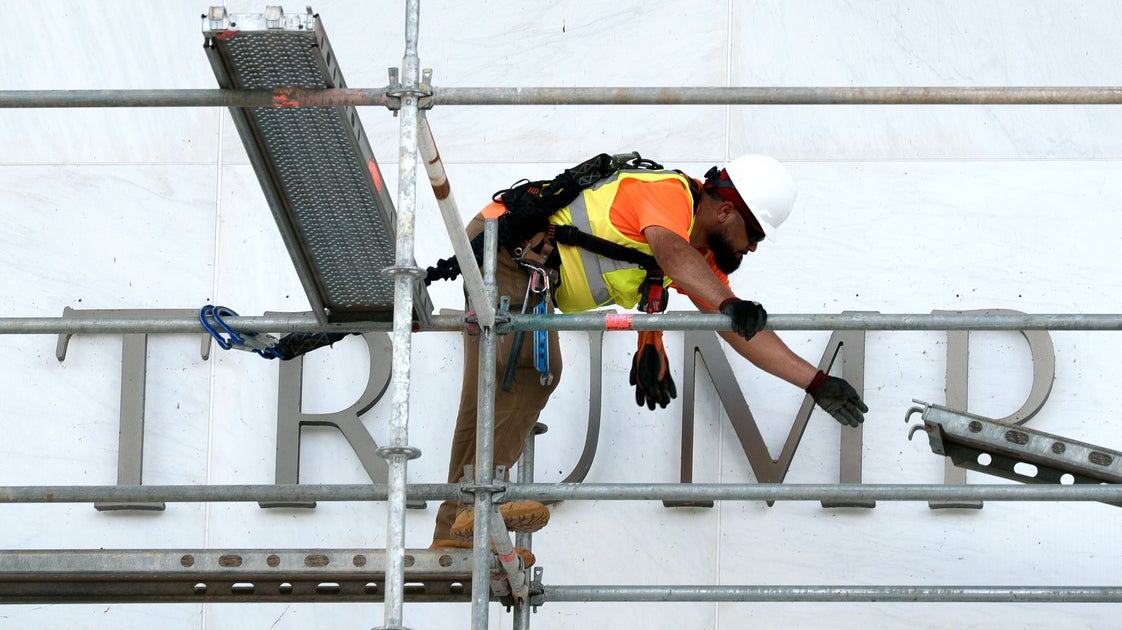
WASHINGTON – When President Donald Trump released a list of private donors paying for the construction of his 90,000-square-foot, $300 million White House ballroom — and the demolition of the East Wing — he left lots of questions unanswered.
How much money did these billionaires and corporate CEOs give? Who approached them about donating in the first place? Are they expecting something in return? Are they actively lobbying the White House for other perks for their businesses or themselves?
Was this even a complete list of all the donors behind the ballroom project? (It was not.)
Sen. Richard Blumenthal (D-Conn.), the top Democrat on the Senate Permanent Subcommittee on Investigations, posed these questions to more than 30 of the known donors financing Trump’s ballroom project, in a series of letters that went out in late October. He gave them until early November to respond.
The donors’ response letters, obtained by HuffPost, are remarkably evasive. The 21 responses ― two came from contractors on the project, the rest from companies that donated ― almost universally do not answer Blumenthal’s questions, instead boasting about their philanthropy and love of America.
Blumenthal posed very specific questions, like, “What amount did you contribute to the White House Ballroom project?” and “Please list all White House personnel or other representatives or associates of the Trump Administration or Trump family with whom you have spoken about the donation.”
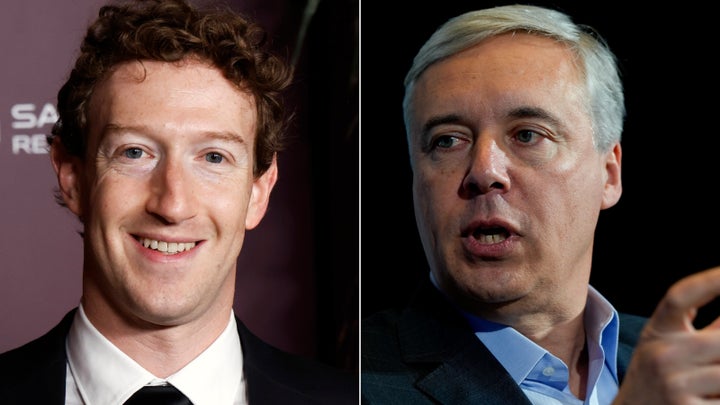
Some of the responses were laughable. Apple, Amazon and Meta, who are among the Big Tech companies financing Trump’s project, said their support for the ballroom is simply another example of them donating money to a good cause. None actually said how much money they gave, or who they worked with in Trump’s orbit to make the donations happen.
Meta unironically suggested it is financing the ballroom project because it cares about preserving the White House grounds — as Trump just razed the entire East Wing to make way for his project. (HuffPost obtained copies of the letters on the condition to not directly quote them.)
AP
Other donors, like cryptocurrency companies Coinbase and Ripple and major government contractor Booz Allen, similarly claimed their donations are motivated by civic pride and a commitment to protecting the White House. Booz Allen in particular hailed the White House as a symbol of American democracy and said it is proud to help support the building, part of which, again, Trump just completely demolished.
The only company that divulged its donation in its letter was Google, and it only did so because it’s already been reported that it’s donating $22 million as part of a settlement the company reached with Trump after he was banned from YouTube, owned by Google’s parent company Alphabet, after he incited the Jan. 6, 2021, insurrection.
Most of these donors insisted they are following all laws and aren’t giving money to the ballroom project in exchange for other perks from Trump.
Some companies, including Comcast and BlackRock, claimed they blindly donated money to the Trust for the National Mall, the nonprofit partner to the National Park Service that accepts private money for repairs and upgrades to national monuments and grounds, and had no say in their funds going specifically toward Trump’s ballroom.
Others, like Nvidia and the Betty Wold Johnson Foundation, confirmed they donated to the trust specifically to aid Trump’s project.
One company that won’t be kicking in money for the White House ballroom is JPMorgan Chase. Its CEO, Jamie Dimon, said last month on CNN that the company has a lot of government contracts within and outside of the U.S., and it has to be careful about how its arrangements are perceived and how a future Justice Department may deal with them.
“We’re quite conscious of risks we bear by doing anything that looks like, you know, buying favors or anything like that,” Dimon said.
Trump’s ballroom project is unpopular with the public. An ABC News/Washington Post survey from late October found just 28% of Americans backed the ballroom’s construction, with 56% opposed.




 English (US) ·