
 (6).png) 1 hour ago
1
1 hour ago
1
ARTICLE AD BOX
US President Donald Trump responded to Joe Kent's resignation, calling him ‘very weak on security.' Kent resigned earlier today after he accused Israel of deceiving Trump into believing that Tehran was a threat.

US President Donald Trump on Tuesday (local time) responded to Joe Kent’s resignation as director of the National Counterterrorism Center, stating that Kent had been “very weak on security.”
Trump slams Joe Kent
Addressing reporters in the Oval Office, Trump remarked, “I always thought he was a nice guy,” and added, “It’s a good thing he is out.” He criticised Kent for claiming that Iran did not pose an immediate threat, asserting instead that Tehran has long been dangerous. Trump said every country recognises the risk Iran presents, though the real question is whether they are willing to act on it.
Trump further argued that Iran has posed a threat for many years and claimed that, had he not scrapped the “horrible” nuclear agreement negotiated by former President Barack Obama, a nuclear war could have occurred four years ago. He added that, without US strikes on Iran’s nuclear facilities, a nuclear catastrophe might have unfolded.
“When somebody working with us says they didn’t believe Iran was a threat, we don’t want those people,” Trump said.
Joe Kent resigns
Kent, a former military officer and intelligence official who served during Trump’s administration, stepped down earlier in the day over the US war involving Tehran. In a post on X, he wrote, “After much reflection, I have decided to resign from my position as Director of the National Counterterrorism Center, effective today. I cannot in good conscience support the ongoing war in Iran. Iran posed no immediate threat to our nation, and it is clear that we entered this war due to pressure from Israel and its influential American lobby.”
In his letter to Trump, Kent alleged that a misinformation effort by senior Israeli officials and sections of the American media had undermined Trump’s America First agenda. Referring to the Iraq war, he accused Israel of using similar strategies that, in that conflict, led to significant US casualties.
US-Iran war
The United States and Israel carried out strikes on Iran on 28 February, shortly after a third round of negotiations between Washington and Tehran concluded. The attacks targeted key Iranian naval and military assets and reportedly killed several senior figures, including former Supreme Leader Ayatollah Ali Khamenei. Iran responded with retaliatory strikes on Israel and US bases in Gulf countries, pushing the Middle East into a broader and renewed conflict.
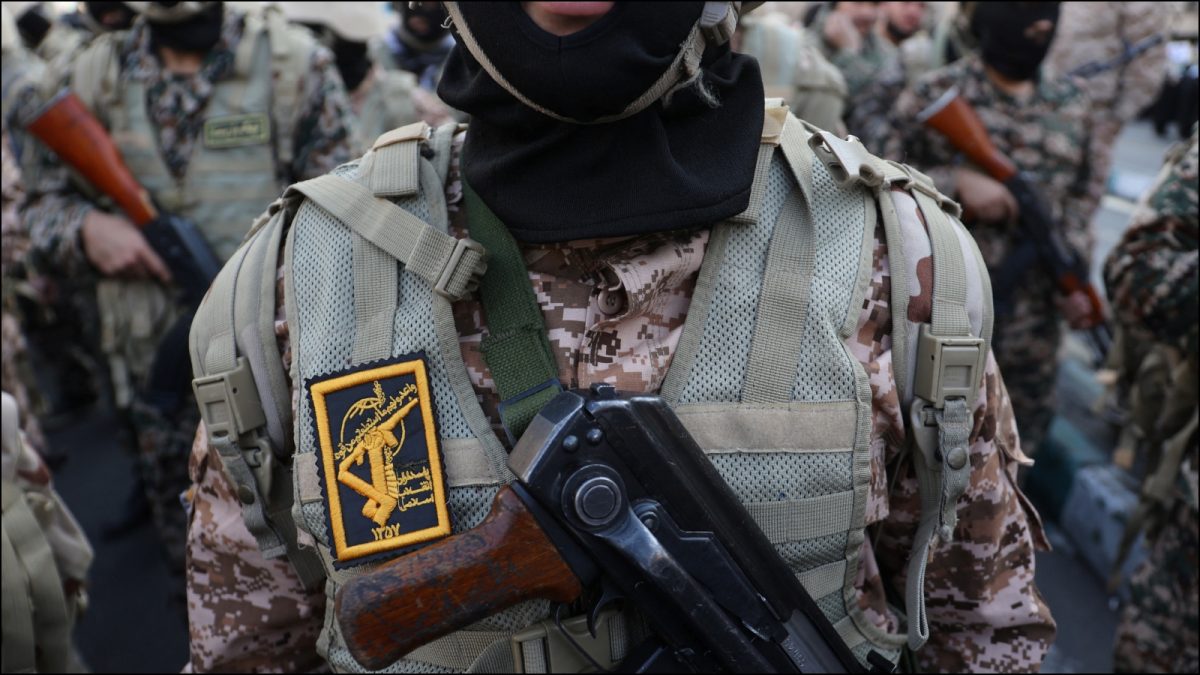
There are no clear signs of de-escalation, as the war has now entered its 18th day. Meanwhile, the Islamic Revolutionary Guard Corps’ (IRGC) move to close the Strait of Hormuz has alarmed traders and shaken global energy markets over fears of disrupted oil supplies. Oil prices rose to $120 per barrel on 9 March before easing, prompting the International Energy Agency (IEA) to release 400 million barrels from its emergency reserves to stabilise the situation.
Earlier on Tuesday, Israel announced that it had eliminated two senior Iranian figures in overnight strikes, including Ali Larijani, secretary of Iran’s Supreme National Security Council, and Gholamreza Soleimani, commander of the Basij force, the IRGC’s internal security militia.
About the Author
Swati Gandhi
Swati Gandhi is a digital journalist with over four years of experience, specialising in international and geopolitical issues. Her work focuses on fo...Read More





 English (US) ·