
 (6).png) 2 hours ago
2
2 hours ago
2
ARTICLE AD BOX
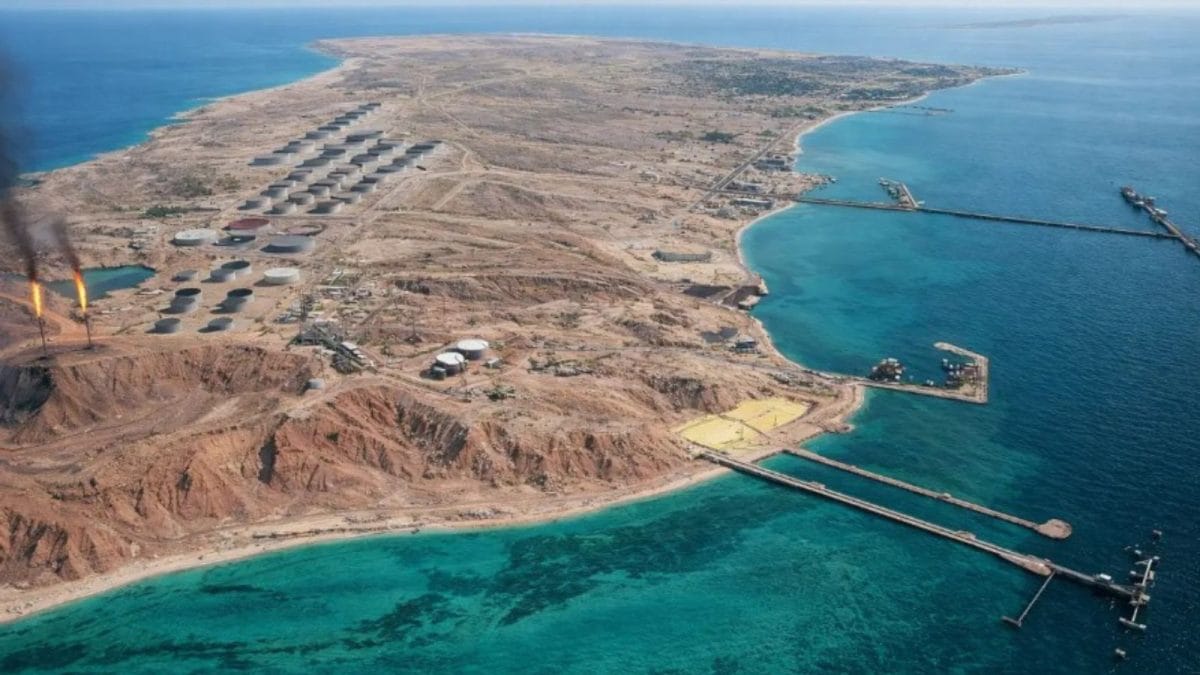
United States President Donald Trump on Monday warned Iran that if a deal was not finalised in the near term and the Strait of Hormuz was not reopened, the US could escalate its response. He said this could include strikes on Iran’s key infrastructure, including power facilities, oil fields, Kharg Island, and possibly desalination plants, targets he claimed had so far been deliberately avoided.
He claimed the US was engaged in serious discussions with what he described as a “new and more reasonable” leadership in Iran to bring an end to ongoing military operations, adding that progress had been made and expressed confidence that an agreement would likely be reached soon.
“The United States of America is in serious discussions with A NEW, AND MORE REASONABLE, REGIME to end our Military Operations in Iran. Great progress has been made but, if for any reason a deal is not shortly reached, which it probably will be, and if the Hormuz Strait is not immediately “Open for Business,” we will conclude our lovely “stay” in Iran by blowing up and completely obliterating all of their Electric Generating Plants, Oil Wells and Kharg Island (and possibly all desalinization plants!), which we have purposefully not yet “touched”," Trump said on Truth Social.
He further said, “This will be in retribution for our many soldiers, and others, that Iran has butchered and killed over the old Regime’s 47 year “Reign of Terror”."
Middle East conflict
Iran has effectively closed off the Strait of Hormuz, a critical waterway that typically handles around one-fifth of the world’s oil and liquefied natural gas shipments. On Monday, Iran acknowledged receiving US peace proposals through intermediaries, following discussions the previous day among the foreign ministers of Pakistan, Egypt, Saudi Arabia, and Turkey.
However, Iranian Foreign Ministry spokesperson Esmaeil Baghaei described the proposals as “unrealistic, illogical, and excessive".
"Our position is clear. We are under military aggression. Therefore, all our efforts and strength are focused on defending ourselves," Reuters quoted him as saying.
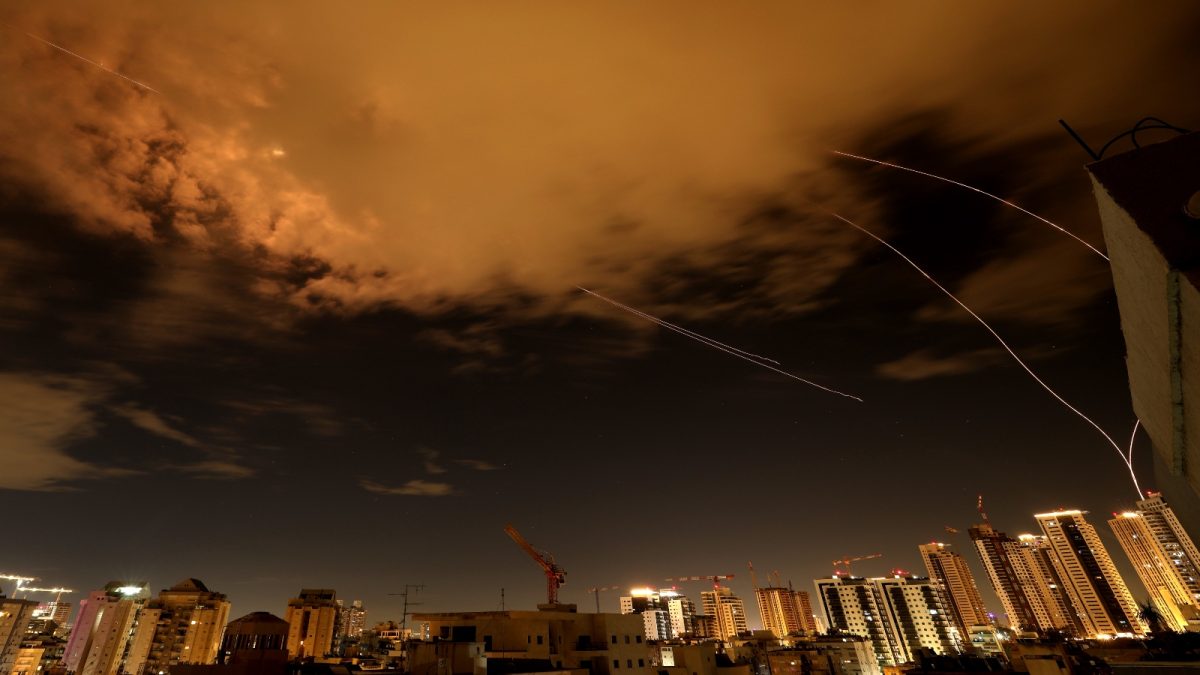
The United States and Israel continued their attacks on Monday, while Iran targeted a major water and power facility in Kuwait as part of its ongoing operations against Gulf Arab nations. Additionally, an oil refinery in Israel came under attack, according to AP.
Israel has launched an invasion into southern Lebanon to drive out Hezbollah, the Iran-backed group responsible for firing rockets and drones across the border. Israeli officials indicate the campaign could lead to a prolonged occupation. The invasion, combined with extensive airstrikes, has forced over a million Lebanese civilians to flee their homes.
Thousands of troops from the US Army's elite 82nd Airborne Division have begun arriving in the Middle East, according to two US officials, as part of a reinforcement that could allow Trump to consider deploying forces within Iranian territory.
On Monday, Iran confirmed the death of Revolutionary Guards Navy Commander Alireza Tangsiri, marking the latest high-ranking leader killed, following the death of Supreme Leader Ayatollah Ali Khamenei, who has been succeeded by his son Mojtaba Khamenei.
Tehran has remained defiant in the month-long conflict, which started with US-Israeli strikes on Iran on February 28 and has since spread across the region, resulting in thousands of deaths, disruptions to energy supplies, and impacts on the global economy. Most of the reported casualties have occurred in Iran and Lebanon, with many being civilians.
(With inputs from agencies)






 English (US) ·