
 (6).png) 2 days ago
1
2 days ago
1
ARTICLE AD BOX
US President Donald Trump on Sunday said that US delegation will be in Pakistan tomorrow to negotiate with Iran. However, he warned that the Islamic Republic should accept Washington's offer. Here are the top updates on the US-Iran war
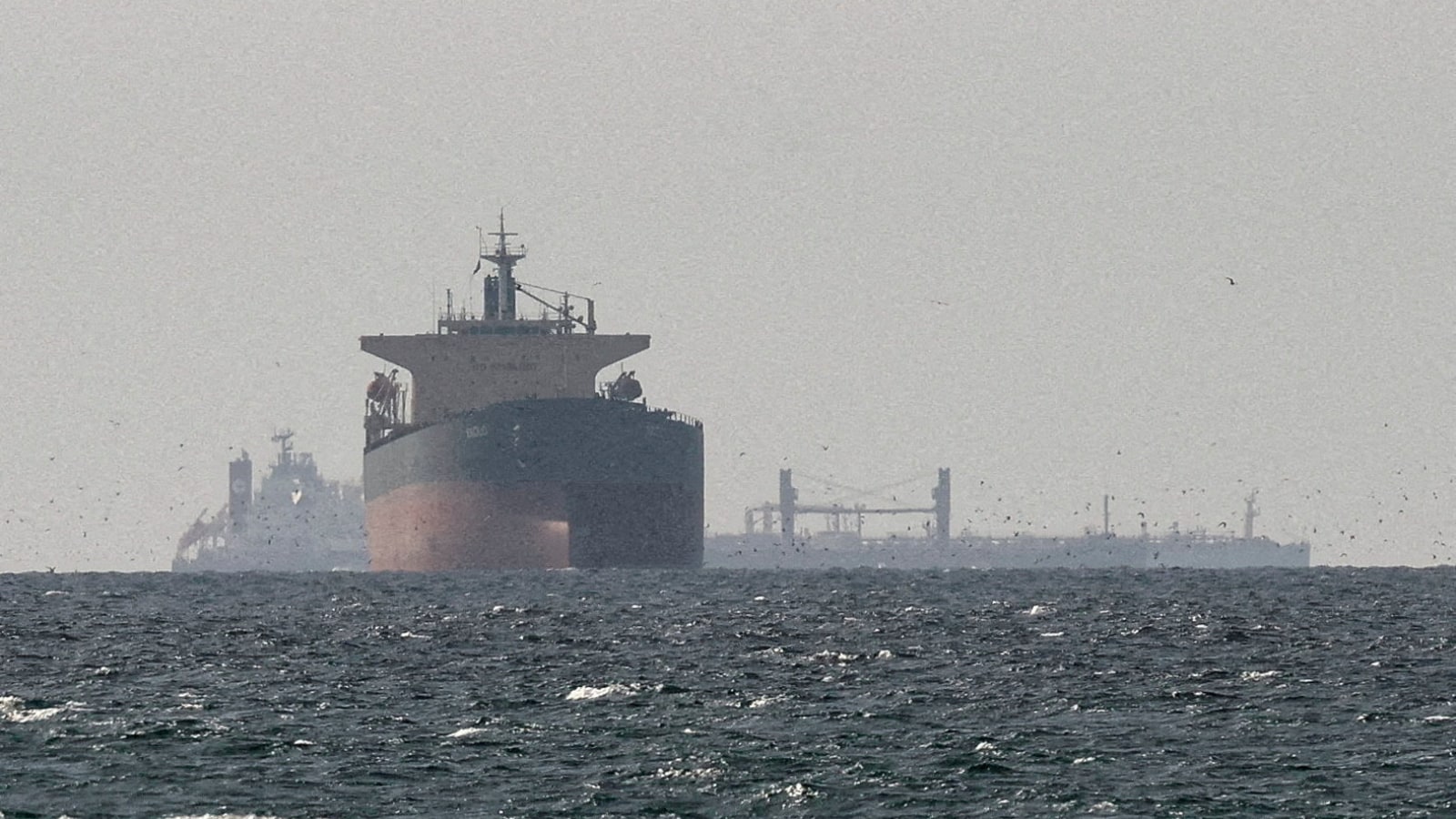
 US President Donald Trump warns Iran to accept 'very fair and reasonable deal' or prepare for further consequences(AFP)
US President Donald Trump on Sunday said that Washington's representatives will be in Pakistan on Monday evening for further negotiations with Iran to end the six-week-long conflict. His remarks come as the two-week ceasefire deadline nears, with the first round of talks failing.
In a post on Truth Social, Trump said, “Iran decided to fire bullets yesterday in the Strait of Hormuz — A Total Violation of our Ceasefire Agreement! Many of them were aimed at a French Ship and a Freighter from the United Kingdom. That wasn’t nice, was it? My Representatives are going to Islamabad, Pakistan — They will be there tomorrow evening, for Negotiations. Iran recently announced that they were closing the Strait, which is strange, because our BLOCKADE has already closed it.”
As the two-week ceasefire deadline nears its end, here are the latest updates from the US-Iran war:
1. In his Truth Social post, Trump also warned the Islamic Republic, asking it to accept the "very fair and reasonable deal" that the US is offering. He added, " I hope they take it because, if they don’t, the United States is going to knock out every single Power Plant, and every single Bridge, in Iran. NO MORE MR. NICE GUY! They’ll come down fast, they’ll come down easy, and, if they don’t take the DEAL, it will be my Honor to do what has to be done, which should have been done to Iran by other Presidents for the last 47 years. IT’S TIME FOR THE IRAN KILLING MACHINE TO END."
2. The US President recently accused Iran of committing a "serious violation" of the ceasefire, but added that a peace deal is still possible. Trump's remarks were shared by an ABC News reporter in a post on X on Sunday. He said, "It will happen. One way or another. The nice way or the hard way. It’s going to happen. You can quote me." His remarks came after Tehran shut the Strait of Hormuz on Saturday, a day after Iran's Foreign Minister Abbas Araghchi announced the opening of the Strait of Hormuz for commercial vessels.
3. Turkiye on Sunday said that it remained "optimistic" that a two-week ceasefire between the Islamic Republic and Washington, which expires on Wednesday, would be extended, allowing more time for talks between the two sides, AFP reported, citing Turkish Foreign Minister Hakan Fidan, who said, "No one wants to see a new war break out when the ceasefire expires next week. We hope ... the parties will extend the ceasefire."
4. Iran, on Sunday, doubled down on closing the Strait of Hormuz as the ceasefire nears expiration. The Islamic Republic doubled down on its pledge to restrict ships passing via the Strait of Hormuz, a key waterway, as long as the US blockade of Iranian ports remains in place. This comes as mediators scrambled to extend the ceasefire. The Strait of Hormuz, which is responsible for transporting roughly 20 per cent of the world's oil, has been effectively shut since the beginning of the conflict in late February.
“It is impossible for others to pass through the Strait of Hormuz while we cannot,” Iranian parliamentary Speaker Mohammed Bagher Ghalibaf said in an interview aired on state television late Saturday.
5. According to an AP report, preparations are underway in Pakistan ahead of possible ceasefire talks. Authorities in Pakistan have begun tightening security in Islamabad and deploying troops at roadside checkpoints. They also closed tourist sites and ordered major hotels to cancel bookings and keep facilities available. Islamabad’s streets are largely deserted, as residents stayed home to avoid road closures seen earlier this month during the first round of talks.
However, it remains to be seen what will happen on Monday as the two sides will come face-to-face once again.
About the Author
Swati Gandhi
Swati Gandhi is a digital journalist with over four years of experience, specialising in international and geopolitical issues. Her work focuses on foreign policy, global power shifts, and the political and economic forces shaping international relations, with a particular emphasis on how global developments affect India. She approaches journalism with a strong belief in context-driven reporting, aiming to break down complex global events into clear, accessible narratives for a wide readership.<br><br> Previously, Swati has worked at Business Standard, where she covered a range of beats including national affairs, politics, and business. This diverse newsroom experience helped her build a strong grounding in reporting, while also strengthening her ability to work across both breaking news and in-depth explanatory stories. Covering multiple beats early in her career has helped her be informed about her current work, allowing her to connect domestic developments with wider international trends.<br><br> At Live Mint, she focuses on international and geopolitical issues through a business and economic lens, examining how global political developments, foreign policy decisions, and power shifts impact markets, industries, and India’s strategic and economic interests.<br><br> She holds a Bachelor’s degree in English (Honours) from the University of Delhi and a Master’s degree in Journalism and Mass Communication from Guru Gobind Singh Indraprastha University. Her academic training has shaped her emphasis on precision, analytical rigour, and clarity in writing. Her interests include global political economy and the intersection of geopolitics with business.<br><br> Outside work, Swati focuses on exploring her passion and love for food. From fancy cafes to street spots, Swati explores food like a true foodie.






 English (US) ·