
 12 hours ago
1
12 hours ago
1
ARTICLE AD BOX
Last Updated:April 18, 2026, 23:50 IST
CNN-News18 has learnt from top sources that a fundamental disconnect remains between Tehran’s rhetoric, the IRGC, and the United States


Iran's Foreign Minister Abbas Araghchi (R) with Pakistan's Army Chief Asim Munir. (File pic/Reuters)
The high-stakes diplomatic theatre in Islamabad has been hit by a wave of scepticism as exclusive intelligence and academic insights suggest the much-vaunted peace talks may be a house of cards. Despite the optimistic framing of a “West Asia thaw" by mediators, CNN-News18 has learnt from top sources that a fundamental disconnect remains between Tehran’s rhetoric, the Islamic Revolutionary Guard Corps (IRGC), and the United States.
In revealing remarks, Professor Mohammad Marandi has poured cold water on the prospect of a near-term breakthrough. Marandi stated unequivocally that there is “no agreement" between Iran and the US over the nuclear file or any other major geopolitical friction points. Crucially, he asserted that Iran “will not relinquish any of its allies in the Axis of Resistance" under any circumstances.
Marandi’s position suggests that any comprehensive deal would have to include the interests of groups like Hezbollah and Hamas—a condition that remains a non-starter for the West. He further warned that Donald Trump’s current diplomatic overtures might be a calculated attempt to “mislead public opinion", creating a pretext to later justify “increased pressure" on Tehran by accusing it of bad-faith negotiations.
Top intelligence sources have raised even sharper questions regarding the validity of the talks themselves. There is a growing suspicion that the Pakistani military and the Prime Minister’s Office may be “making a fool of the world" by announcing a diplomatic breakthrough without actual consensus from the Iranian power centre.
The world is acutely aware that while civilian diplomats occupy the negotiating chairs, it is the IRGC that physically controls Iranian operations. The Guard reports directly to the ideology of the Supreme Leader, and intel suggests they have no intention of disowning their proxies. This creates a “dual-state" problem: the diplomats in Islamabad are negotiating for a government that the IRGC—holding the guns and the missiles—does not recognise as having the authority to concede.
The rift within Tehran has reached a breaking point. While Foreign Minister Araghchi has attempted to frame the Strait of Hormuz reopening and the Islamabad talks as straightforward commercial and diplomatic measures, the IRGC sees this as a “dangerous deviation".
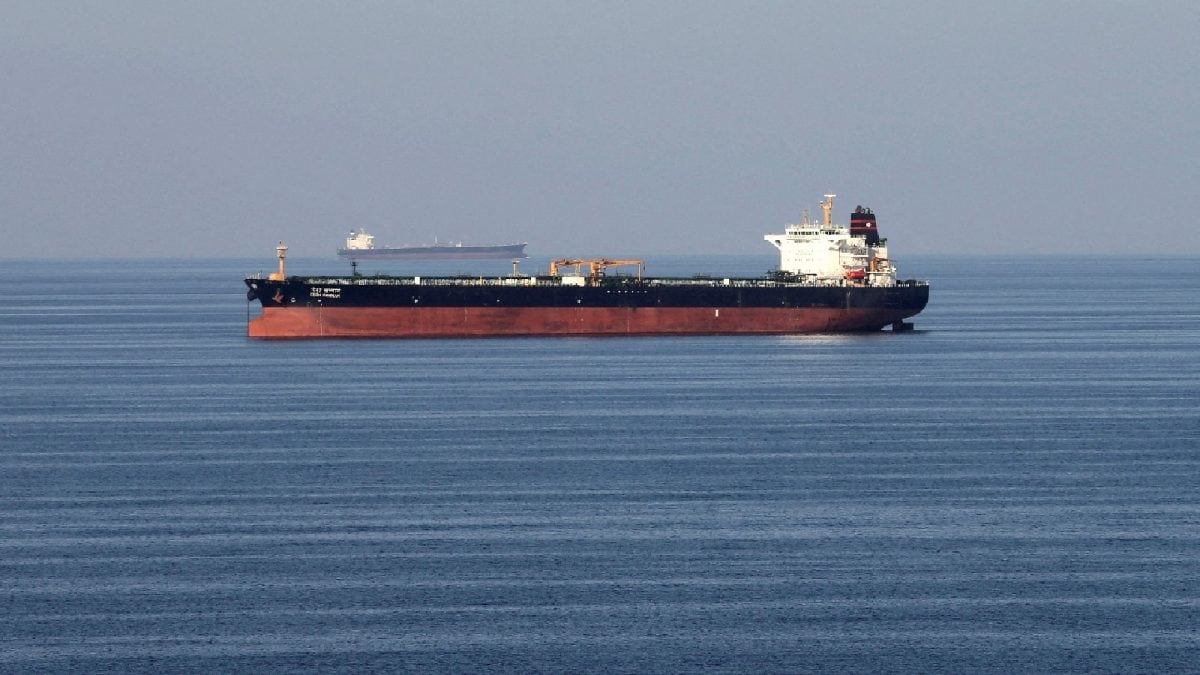
For the IRGC, any “softer" diplomatic line is an existential threat to their hegemony. The recent firing on Indian tankers in the Strait serves as a physical manifestation of this veto. Intelligence sources suggest the IRGC is actively working to transform the diplomatic delegation into an “operational unit" of the Guard, ensuring that no deal is reached that would diminish their regional influence or funding.
Handpicked stories, in your inbox
A newsletter with the best of our journalism
First Published:
April 18, 2026, 23:50 IST
News world US-Iran Peace Talks: A 'Diplomatic Mirage' Orchestrated By Pakistan? | Exclusive
Disclaimer: Comments reflect users’ views, not News18’s. Please keep discussions respectful and constructive. Abusive, defamatory, or illegal comments will be removed. News18 may disable any comment at its discretion. By posting, you agree to our Terms of Use and Privacy Policy.
Read More




 English (US) ·