
 1 hour ago
1
1 hour ago
1
ARTICLE AD BOX
Last Updated:March 03, 2026, 13:15 IST
Middle East is a key global aviation hub, and whenever conflict erupts in the region, flight routes and schedules are hit. Airlines are now rerouting flights due to airspace limits


Delhi’s IGI Airport has issued advisories urging passengers to check flight statuses before heading to the airport. (Getty Images)
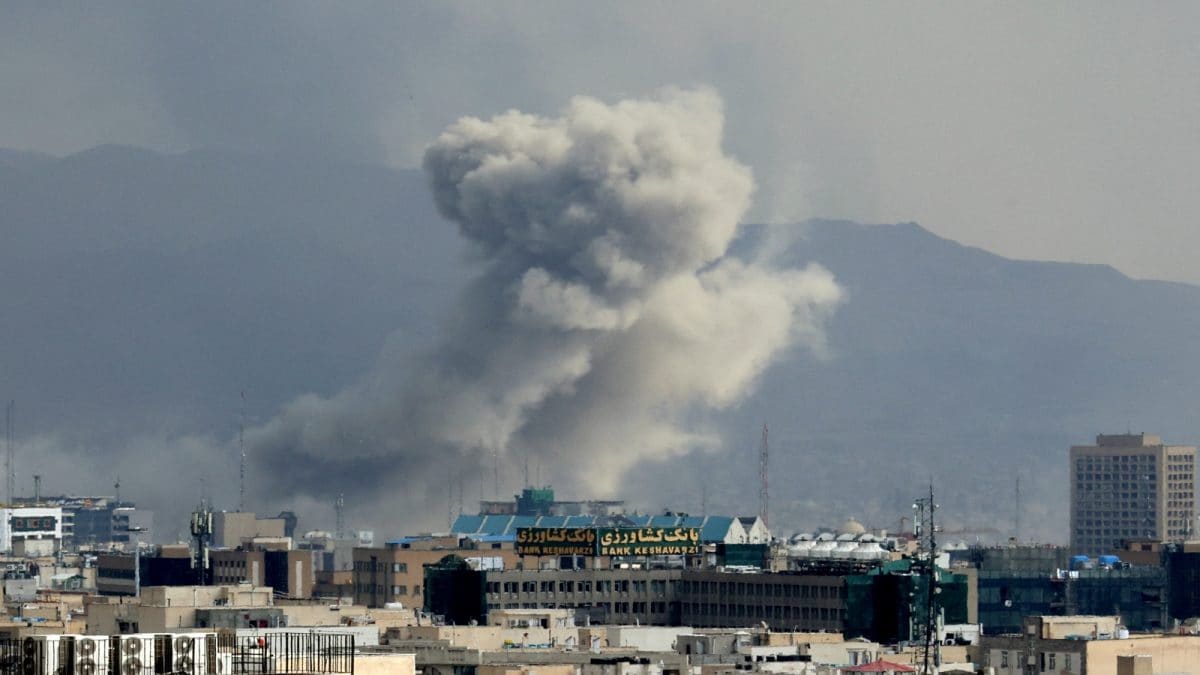
The Iran-Israel-US conflict may be unfolding thousands of kilometres away, but its tremors are already being felt across India. Beyond the geopolitical headlines and oil market anxieties, the conflict is beginning to disrupt flights, holidays, and jobs.
West Asia is not just a theatre of global power politics; it is a lifeline for millions of Indians who live and work across the Gulf. Indian carriers operate hundreds of flights through Gulf airspace each week. Amid the conflict, Indian airlines cancelled nearly 357 international flights on Monday.
Moreover, in just three days, starting February 28, Indian carriers cancelled 1,117 international flights to several destinations due to the conflict.
“The escalating tensions between Iran and Israel, alongside the involvement of the US, are creating deep anxiety for over 8-9 million Indian workers across the Gulf. Even without direct conflict in countries like the UAE or Saudi Arabia, airspace closures, project slowdowns, and oil volatility affect aviation, construction, and hospitality jobs. Safety concerns are not just physical; they are financial and psychological. Students and workers fear sudden repatriation, visa uncertainty, and salary delays. Crisis-ready and strategic HR now means evacuation protocols, mental health access, remote continuity plans, and clear communication," said Sonica Aron, Founder & Managing Partner, Marching Sheep, a global HR consulting firm.
As tensions rise in the Middle East, three sectors stand particularly exposed — aviation, tourism, and India’s vast Gulf-based workforce. Let us understand the repercussions for each sector and what lies ahead.
Turbulence In The Skies
The most immediate fallout of the Iran-Israel escalation has been felt in aviation. The Middle East lies at the heart of global air corridors linking India to Europe, North America, and parts of Africa. Any disruption to Gulf airspace forces airlines to reroute aircraft, extending flying time, increasing fuel burn, and pushing up operating costs.
The impact has already been visible. IndiGo cancelled more than 163 flights on Monday, while Air India and Air India Express together scrapped over 110 services. SpiceJet called off at least 20 flights, and Akasa Air did not operate eight services. Disruptions continued into Tuesday, with Akasa suspending flights to and from Abu Dhabi, Doha, Jeddah, Kuwait and Riyadh. IndiGo, too, extended the temporary suspension of select international flights operating through parts of the Middle Eastern airspace.
Delhi’s Indira Gandhi International Airport, one of the country’s busiest gateways for westbound travel via Gulf hubs, issued advisories urging passengers to check flight statuses before heading to the airport. Delhi International Airport Limited (DIAL) said several westbound international services were facing delays or schedule changes due to the “ongoing political situation in the Middle East," and advised travellers to explore alternate routes if necessary.
“The Middle East is a key global aviation hub, and whenever conflict erupts in the region, flight routes and schedules are inevitably disrupted. Airlines are now rerouting flights due to airspace restrictions, leading to longer travel times, higher fuel costs, and the possibility of increased ticket prices. Temporary suspensions to several destinations have also created confusion among holidaymakers. The Indian outbound tourism market, particularly travellers heading to Europe and North America via Gulf hubs, has been affected by flight cancellations, schedule changes, and rising fares. This situation is directly impacting tour planning and group departures," said Ravi Gosain, President, Indian Association of Tour Operators (IATO).
The Ministry of Civil Aviation has said airlines have made calibrated schedule adjustments, with long-haul and ultra-long-haul flights gradually resuming via alternative routings that avoid restricted airspace. Special measures are also being put in place to assist stranded passengers.
Early aviation data suggested that nearly 90,000 passengers a day were affected across Gulf hubs during the initial phase of disruptions. Major transit carriers such as Emirates, Etihad, and Qatar Airways, which form the backbone of the modern East–West travel network, either halted or significantly curtailed operations.
The financial strain could deepen if oil prices climb further. Aviation turbine fuel accounts for roughly 25-35% of an airline’s operating costs. A sustained rise in crude prices, combined with longer flying times, can quickly squeeze margins. Even airlines not directly operating in the Gulf are exposed to higher global fuel benchmarks.
If instability lingers, travellers may have to brace for elevated fares, unpredictable schedules, and continued volatility in international air travel.
Tourism Caught In The Crossfire
Tourism is another sector vulnerable to geopolitical shocks. India relies significantly on transit routes through the Gulf for both inbound and outbound travel. Roughly 9.5 million foreign tourists visit India, including via hubs such as Dubai, Doha, and Abu Dhabi. If transit routes become complicated or perceived as risky, travel decisions change.
Indian travellers, too, are reassessing plans. Leisure travel to Europe or the US may be deferred if flight routes lengthen or fares surge. Pilgrimage travel to West Asian destinations could also be affected by security advisories and insurance considerations.
“The short-term decline in tourism, driven largely by sentiment, will impact international travel to destinations that travellers perceive as being close to the conflict zone. During periods of political unrest, international travellers tend to postpone non-essential trips due to security concerns and insurance-related issues. Travel demand usually remains unsettled until there is greater clarity on the situation. We are likely to see a shift in travel patterns towards Southeast Asia and domestic destinations as tourism to affected regions declines. Historically, Indian travellers have shown resilience, but the current uncertainty will make West Asia and transit-dependent routes less attractive until the situation stabilises," said Gosain.
The psychological factor cannot be ignored. Even when flights continue to operate, the perception of instability can dampen travel sentiment. Holiday bookings often decline during periods of international tension, particularly when news cycles are dominated by images of missiles and airstrikes.
The Ministry of External Affairs (MEA) urged foreign nationals to contact their nearest Foreigners Regional Registration Office (FRRO) if they require assistance with visa extensions or need to regularise their stay.
How The War Impacts Indians In The Gulf
Perhaps the most sensitive dimension of the crisis lies in the Gulf diaspora. More than 9 million Indians live and work in West Asia, with a significant concentration in countries such as Saudi Arabia, the UAE, Qatar, Oman and Kuwait.
These people work in construction, healthcare, retail, logistics and hospitality sectors in different countries. They also send billions of dollars in remittances back home each year, supporting families and contributing to India’s foreign exchange inflows.
According to the Reserve Bank of India (RBI) data, India received a record high of $135.46 billion, roughly Rs 12.53 lakh crore, in remittances in the fiscal year 2024-25. Moreover, the Gulf region alone accounts for around 38% of India’s total remittances. Out of this, nearly half comes from the UAE.
While the Gulf states are not direct combatants in the Iran-Israel confrontation, the region’s proximity to flashpoints creates unease. Any escalation that threatens infrastructure such as ports, oil facilities, or urban centres could heighten anxieties among expatriate communities.
Airspace disruptions complicate evacuation logistics if tensions escalate sharply. During previous regional crises, India has mounted large-scale evacuation operations. Though there is no immediate sign of such a scenario unfolding, contingency planning remains essential.
Which Sectors Have Likely Been Affected By The War?
Even when bombs fall far from Indian shores, oil prices act as a direct transmission channel. India relies on imports for more than 85% of its crude oil needs, with a substantial supply coming from West Asia. If shipping routes face disruptions, particularly around strategic chokepoints, markets react swiftly.
Petroleum-based derivatives are used in products such as soaps, shampoos and creams. These account for over 25% of production costs for FMCG companies and nearly 40% for paint manufacturers. Any rise in crude oil prices could translate into higher costs of these items.
Moreover, natural gas prices could also be impacted as Qatar’s state-run energy has halted LNG production, triggering a sharp spike in European gas prices.
Gosain cited an Ernst & Young report, stating that multiple sectors are being affected, with direct impacts on aviation, tourism, travel agencies, and hospitality due to flight cancellations and booking changes. “Operational disruptions and airspace closures in the Middle East have also led to a drop in stock prices of airlines and tour operators. Business travel, MICE events, cruise tourism, and international supply chains are facing disruptions amid the ongoing conflict. The EY geopolitical analysis highlights that prolonged instability can disrupt trade, trigger financial market stress, and adversely affect sectors that rely heavily on international travel and tourism."
Government Response And Diplomatic Balancing
India’s diplomatic posture in West Asia has historically been one of careful balance. New Delhi maintains strong ties with Israel, Iran, and Gulf Arab states alike. In times of crisis, that balanced engagement becomes critical.
On the aviation front, authorities closely monitor route advisories and coordinate with airlines to ensure passenger safety. On the diaspora front, embassies and consulates typically activate helplines and advisory mechanisms when tensions rise.
The challenge lies in preparing for contingencies without triggering panic. Communication becomes key — both for travellers and expatriates.
“Indian expatriates need three key forms of support: timely official announcements, access to emergency helplines, and active assistance from Indian embassies. There must also be preparedness for evacuation, documentation support, and coordination with airlines in case the situation escalates beyond normal procedures. Businesses may require financial relief measures, and workers could need temporary employment support if operations slow down. The Ministry of External Affairs should communicate clearly to prevent the spread of misinformation. Strengthening diplomatic engagement with Gulf nations will be crucial to safeguarding the rights of Indian workers, who form a significant part of the local workforce," stressed Gosain.
Whether the conflict stabilises quickly or widens will determine the scale of its impact. For now, uncertainty is the dominant variable. And in globalised economies, uncertainty travels fast.
First Published:
March 03, 2026, 13:15 IST
News explainers US-Israel-Iran War: How Flights, Tourism, And Indian Workers In The Gulf Are Hit
Disclaimer: Comments reflect users’ views, not News18’s. Please keep discussions respectful and constructive. Abusive, defamatory, or illegal comments will be removed. News18 may disable any comment at its discretion. By posting, you agree to our Terms of Use and Privacy Policy.

Stay Ahead, Read Faster
Scan the QR code to download the News18 app and enjoy a seamless news experience anytime, anywhere.




 English (US) ·