
 11 hours ago
1
11 hours ago
1
ARTICLE AD BOX
Last Updated:April 17, 2026, 19:13 IST
Dual citizenship (or dual nationality) means a person is legally recognized as a citizen of two countries at the same time.

United States: Fully permits dual citizenship. You can naturalise without giving up your original nationality, though global income may be taxed. (AI-generated image)
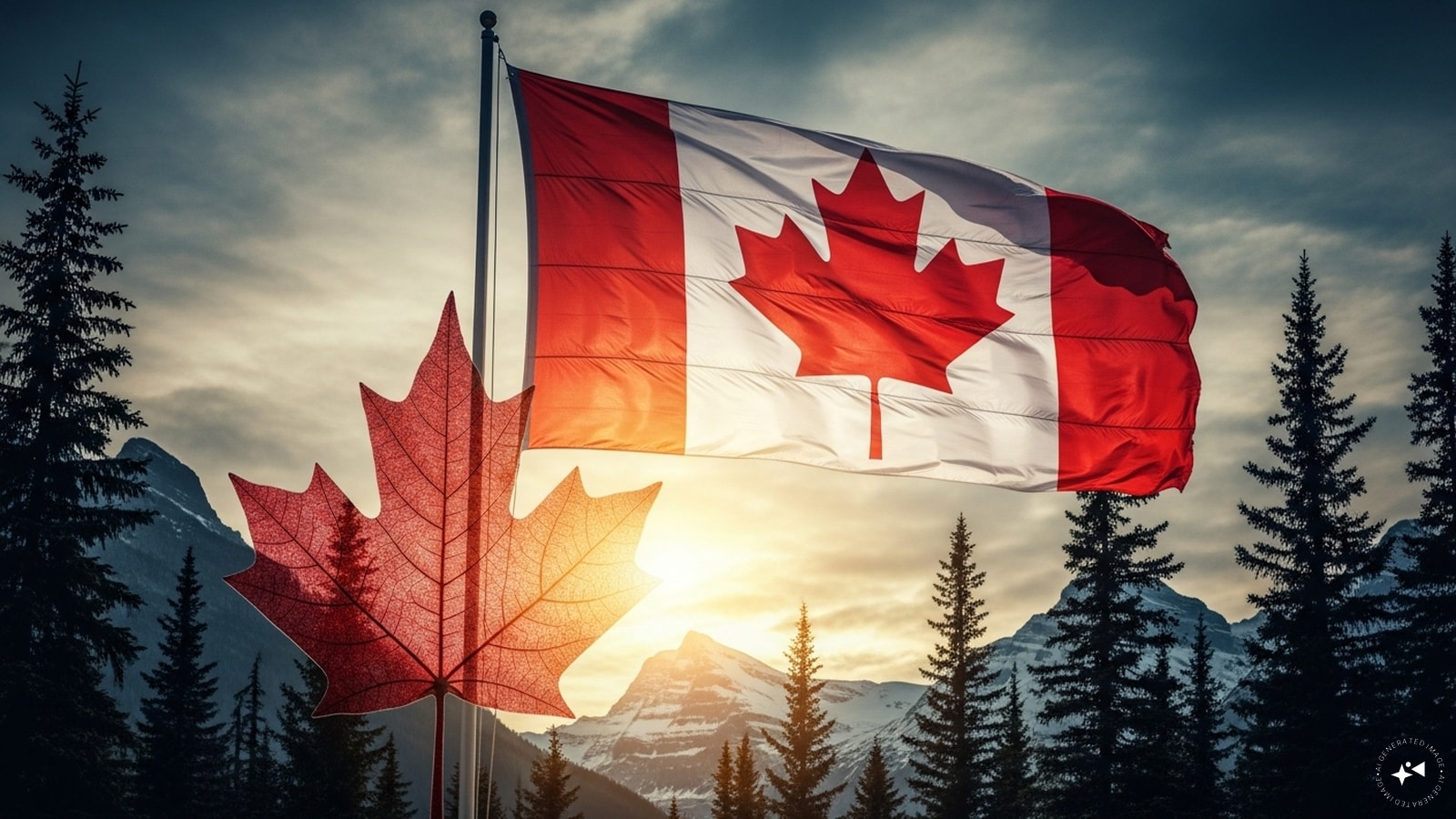
Canada: One of the most immigrant-friendly countries, allowing dual citizenship with minimal restrictions. (AI-generated image)

United Kingdom: Allows dual nationality freely. Many people hold UK citizenship alongside others, especially from Commonwealth countries. (AI-generated image)
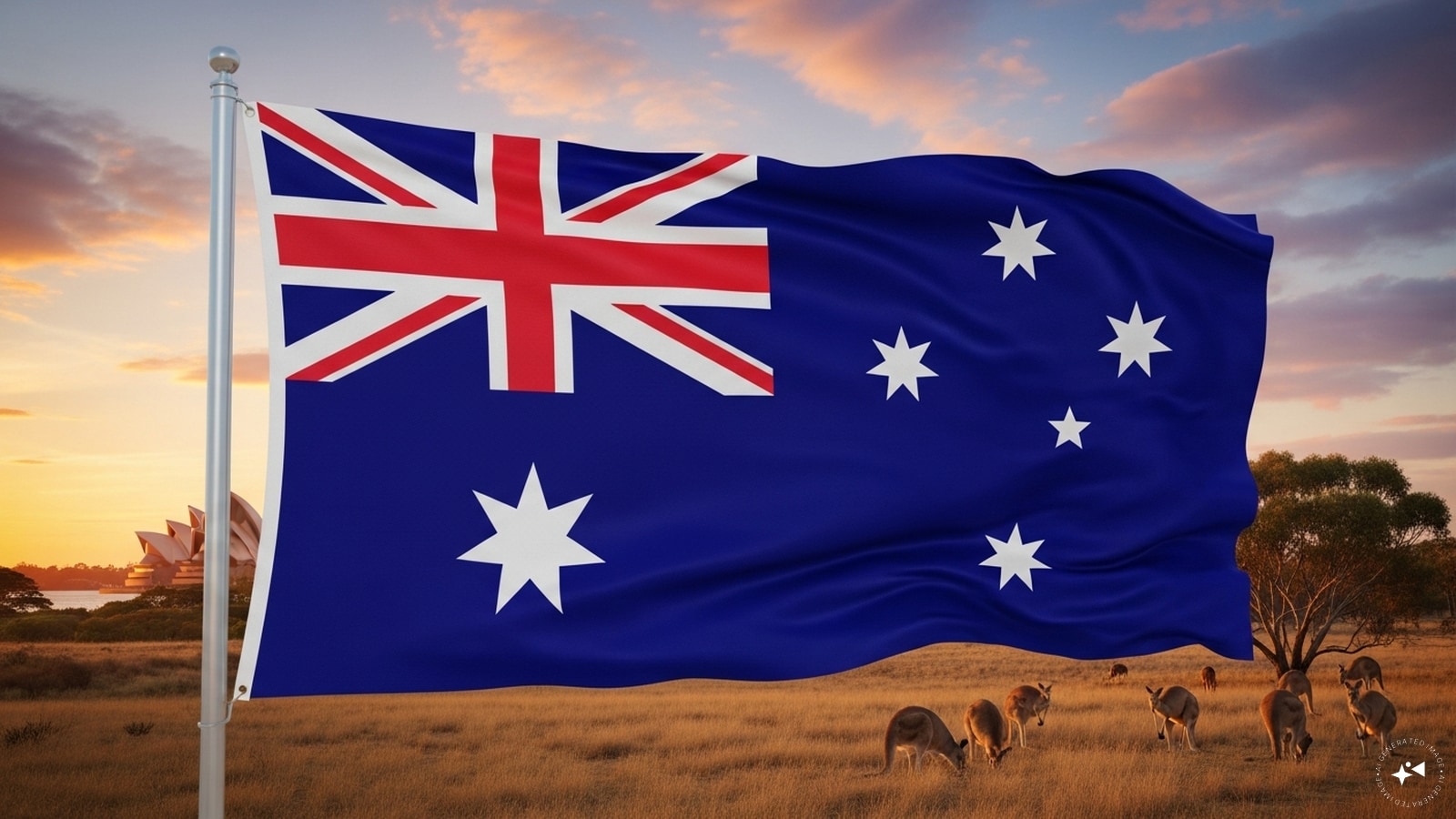
Australia: Permits dual citizenship and has a points-based immigration system that attracts skilled migrants. (AI-generated image)

France: Recognises dual citizenship without requiring renunciation of previous nationality. (AI-generated image)

Italy: Allows dual citizenship and is well known for granting citizenship by descent (ancestry). (AI-generated image)
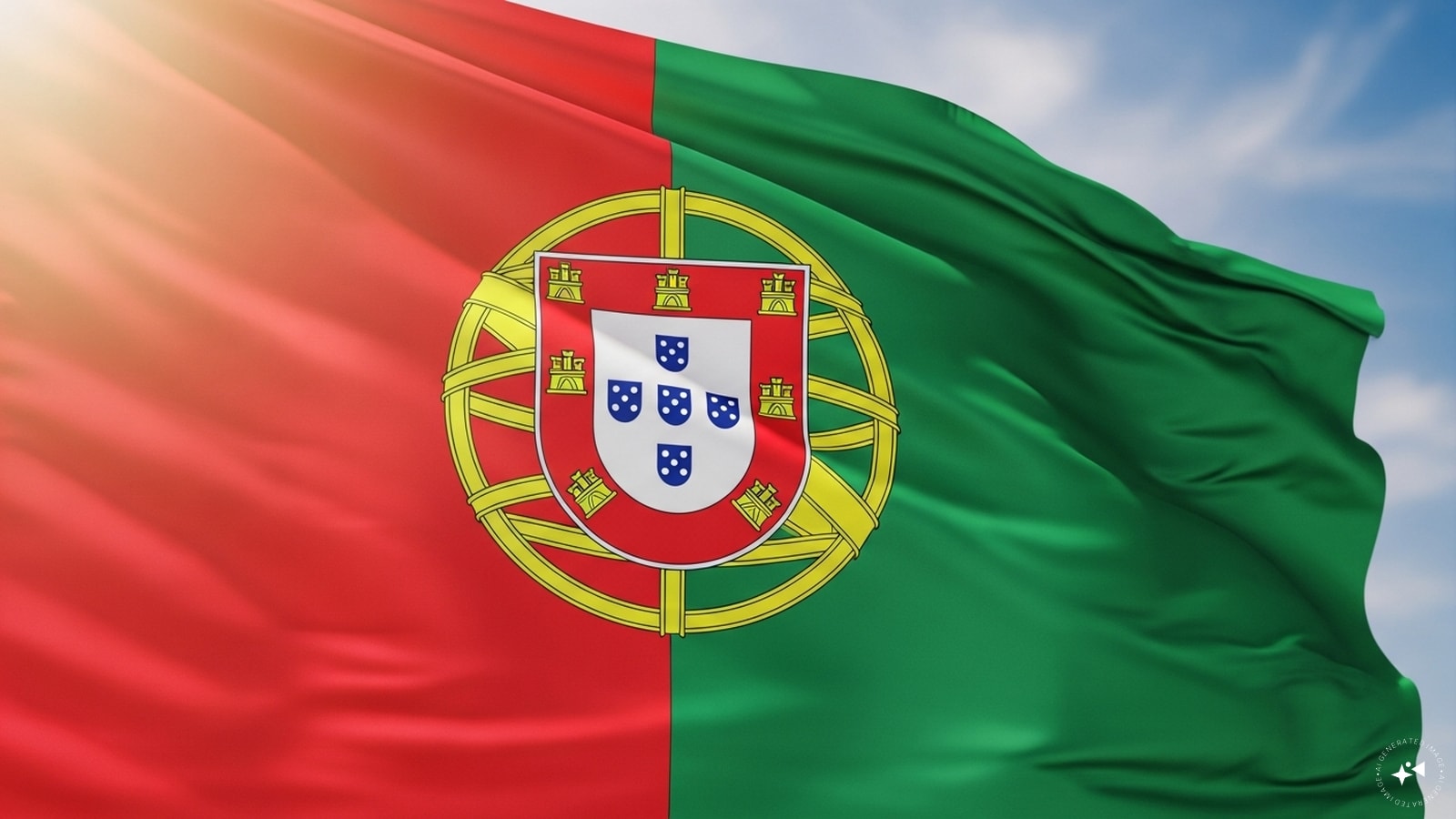
Portugal: Dual citizenship is allowed, and it’s popular for residency-to-citizenship pathways. (AI-generated image)

Ireland: Permits dual citizenship and offers relatively easy access through ancestry for many applicants. (AI-generated image)

New Zealand: Allows dual nationality and offers a high quality of life and straightforward immigration routes. (AI-generated image)

Brazil: Permits dual citizenship and has relatively flexible naturalisation policies. (AI-generated image)
News Photogallery Want Two Passports? These 10 Countries Allow Dual Citizenship | In Pics




 English (US) ·