
 6 hours ago
1
6 hours ago
1
ARTICLE AD BOX
Last Updated:March 18, 2026, 13:14 IST
Calling for a post-war overhaul, the Iranian Foreign Minister said Tehran would push for a “new protocol” to govern future navigation through the Hormuz Strait.


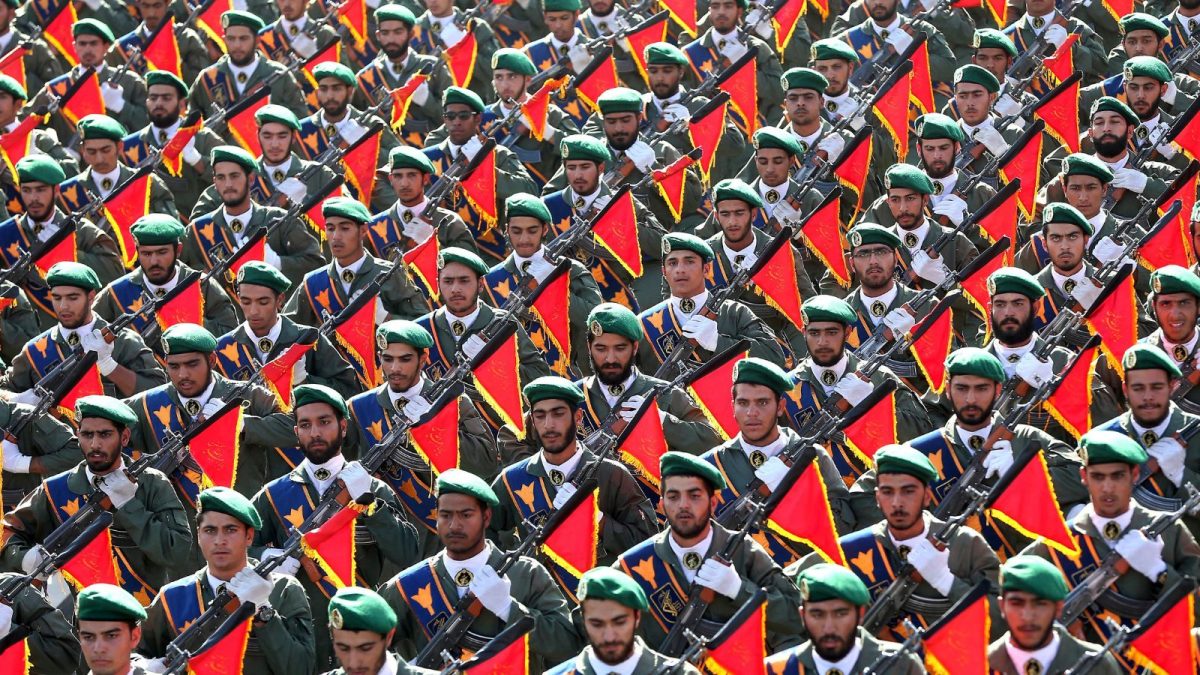
Image used for representation
Iran said it will seek to introduce new rules for ship traffic through the strategically vital Strait of Hormuz once the ongoing war ends, signalling a potential long-term shift in how one of the world’s busiest energy corridors is governed.
Iranian Foreign Minister Abbas Araghchi defended Tehran’s decision to block vessels linked to countries allied with the United States and Israel from using the narrow waterway, describing the move as a wartime necessity.
“From our perspective, this is a waterway located next to Iran. Naturally, we will not allow our enemies to use this waterway," Araghchi said, adding that the conflict and security risks have already deterred many ships from transiting the route.
Calling for a post-war overhaul, the top diplomat said Iran would push for a “new protocol" to govern future navigation.
“We need to design new arrangements for the Strait of Hormuz and the way ships pass through it after the war, so that peaceful navigation can be permanently maintained under clear regulations, while taking into account Iran’s interests and those of the region," he said.
Global Energy Flows Disrupted
Restrictions and heightened insecurity in the Strait of Hormuz, a key chokepoint for global oil and gas supplies, have already disrupted energy shipments, with ripple effects across international markets.
India’s shipping ministry said around 300,000 tonnes of liquefied petroleum gas (LPG) aboard six Indian-flagged vessels remain stranded in the strait.
In total, 22 Indian ships are currently positioned in the area, including LPG carriers, an LNG tanker, crude oil vessels, container ships and bulk carriers.
Officials said one LPG carrier, Nanda Devi, carrying 46,500 tonnes, reached the Vadinar facility at Kandla Port early Tuesday, while unloading from other vessels is under way.
Ports across India have been instructed to closely monitor cargo operations and provide logistical support, including additional storage space for stranded and diverted shipments.
Authorities said measures have also been taken to ease congestion, particularly for perishable goods, as uncertainty over Hormuz transit continues.
Strategic Stakes
Roughly a fifth of the world’s oil and a significant share of liquefied natural gas pass through the Strait of Hormuz, making any long-term change to its governance a matter of global concern.
Analysts say Iran’s call for new rules signals an attempt to convert wartime leverage into lasting influence over a critical maritime artery.
While Tehran frames the proposal as a way to ensure “peaceful navigation," the prospect of revised protocols shaped by Iran’s security priorities is likely to alarm energy-importing nations and shipping companies already grappling with volatility in the Gulf.
For now, the fate of Hormuz shipping remains closely tied to the trajectory of the war, and to whether diplomacy can eventually ease tensions in one of the world’s most strategically sensitive waterways.
First Published:
March 18, 2026, 13:14 IST
News world 'We Need To Design New Arrangements': Iran Calls For New Shipping Rules In Hormuz Strait After War
Disclaimer: Comments reflect users’ views, not News18’s. Please keep discussions respectful and constructive. Abusive, defamatory, or illegal comments will be removed. News18 may disable any comment at its discretion. By posting, you agree to our Terms of Use and Privacy Policy.
Read More






 English (US) ·