
 1 hour ago
3
1 hour ago
3
ARTICLE AD BOX
Last Updated:May 28, 2026, 03:43 IST
The Abraham Accords are a series of landmark, US-brokered bilateral treaties initiated during Trump’s first term in 2020.


Trump is deliberately leveraging the economic urgency created by the ongoing crisis. (ANI file)
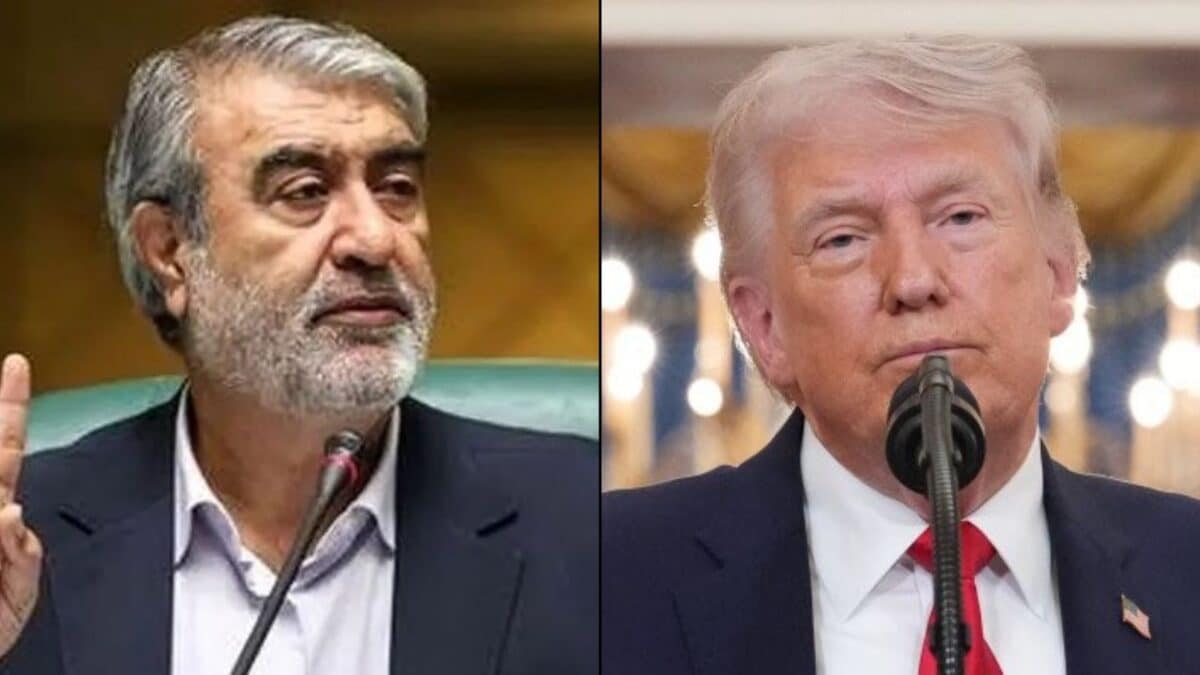
US President Donald Trump has injected an explosive new ultimatum into already fragile West Asia peace talks, explicitly linking a final agreement to end the war with Iran to a mandatory, sweeping expansion of the Abraham Accords.
Speaking during a high-stakes White House Cabinet meeting on Wednesday, Trump expressed deep scepticism about finalising a peace treaty with Tehran unless Saudi Arabia and other major Gulf powers formally agree to normalise relations with Israel. The president’s statements come as negotiations enter a critical juncture, with over 50 days passed since a temporary ceasefire was declared on April 8, yet no definitive breakthrough has been achieved to permanently end the hostilities or fully reopen the blockaded Strait of Hormuz.
“I’m not sure we should make the deal if they don’t sign," Trump said, signalling an effort to use the threat of renewed conflict to force a total geopolitical realignment across the Islamic world.
What Are Abraham Accords?
The Abraham Accords are a series of landmark, US-brokered bilateral treaties initiated during Trump’s first term in 2020. Named in honour of the biblical patriarch revered in Judaism, Islam, and Christianity, the accords completely upended decades of traditional Arab foreign policy.
Historically, the Arab League maintained that diplomatic recognition of Israel was strictly impossible until an independent Palestinian state was established with East Jerusalem as its capital. The Abraham Accords altered this paradigm by largely bypassing the stalled Palestinian issue. Instead, they established direct formal ties across trade, tourism, technology, and investment, prioritising a shared regional security framework focused primarily on countering Iran’s asymmetric influence in West Asia.
The United Arab Emirates (UAE) and Bahrain were the original signatories on the White House South Lawn in September 2020, followed later by Morocco and Sudan. The diplomatic framework expanded beyond the Arab world in November 2025, when Kazakhstan formally acceded to the normalisation treaty
3 Reasons Why Trump Is Linking Abraham Accords To Iran Deal
Foreign policy analysts and defence experts point to three primary strategic reasons driving the White House’s decision to merge these two critical diplomatic tracks:
1. Shielding the Peace Deal from Hawk Criticism
The emerging peace framework to settle the war—which erupted on February 28 following joint U.S.-Israeli strikes on Iranian infrastructure—has faced intense blowback from Republican hawks on Capitol Hill and Israeli Prime Minister Benjamin Netanyahu. Critics argue that lifting the current naval blockade on Iranian ports would leave Tehran dominant and hand them an economic lifeline.
By tying the truce to the historic prize of wider Arab recognition of Israel, Trump can frame the peace deal as a massive, structural diplomatic victory for Israel rather than a concession to a heavily sanctioned Iranian regime.
2. Constructing An Integrated Anti-Iran Security Bloc
The US administration envisions the expanded accords as a permanent regional architecture that aligns the financial power of the Gulf with Israeli defence tech. By forcing heavyweight brokers like Saudi Arabia and Qatar to establish open relations with Jerusalem, Washington hopes to create a long-term, unified structure aligned with American strategic interests.
This deep integration aims to permanently isolate Tehran, limiting its ability to exploit political divisions among its neighbours by surrounding it with an interconnected, US-backed economic and defence grid.
3. Exploiting Crisis Leverage & Hormuz Deadlock
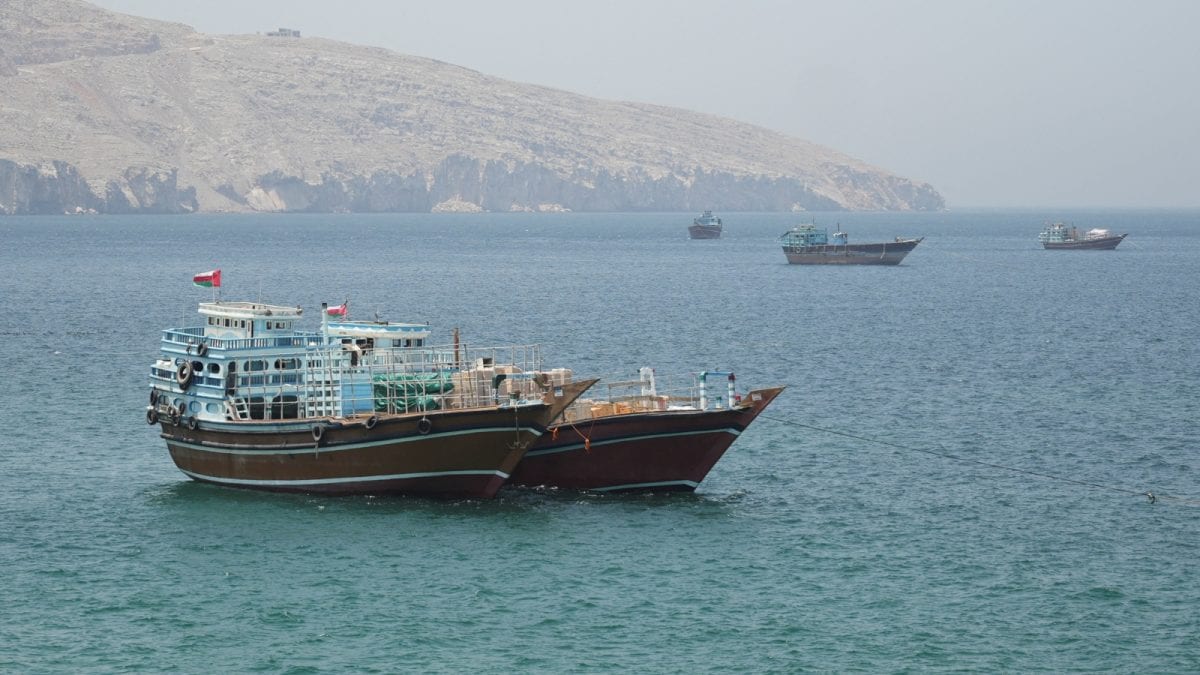
Trump is deliberately leveraging the economic urgency created by the ongoing crisis. Iran is under immense economic strain, “negotiating on fumes" due to hyperinflation and the crushing naval embargo, while global energy markets are reeling from the near-total shutdown of the Strait of Hormuz, driving Brent crude oil benchmarks to volatile levels above $111 per barrel.
The White House is betting that the desperate desire to preserve the fragile April 8 ceasefire will push regional governments to accept normalisation terms they would have structurally resisted in peacetime. In a characteristic maximalist rhetorical push, Trump even suggested that Iran itself could eventually join the Abraham Accords once a bilateral document is finalised.
The Reality Check
Despite mounting pressure from Washington, the strategy continues to face significant resistance across West Asia. Pakistan, which has been mediating between the United States and Iran, rejected the proposal on Tuesday.
Moreover, Saudi Arabia has repeatedly maintained that any formal normalisation agreement with Israel would depend on a “clear, credible, and irreversible path" toward Palestinian statehood — a key issue that critics say remains unaddressed in President Donald Trump’s current diplomatic initiative.
Handpicked stories, in your inbox
A newsletter with the best of our journalism
Location :
Washington D.C., United States of America (USA)
News world What Are Abraham Accords? 3 Reasons Why Trump Is Linking Them To Iran Deal
Disclaimer: Comments reflect users’ views, not News18’s. Please keep discussions respectful and constructive. Abusive, defamatory, or illegal comments will be removed. News18 may disable any comment at its discretion. By posting, you agree to our Terms of Use and Privacy Policy.
Read More




 English (US) ·