
 1 hour ago
3
1 hour ago
3
ARTICLE AD BOX
Last Updated:May 24, 2026, 10:08 IST
The US and Iran are reportedly close to an agreement that could reopen the Strait of Hormuz, ease some sanctions on Tehran and begin fresh negotiations over Iran’s nuclear program


A file photo of Donald Trump (AFP)
A possible agreement between the United States and Iran to ease tensions in the Middle East appears to be nearing completion, with President Donald Trump saying a deal has been “largely negotiated" and could be announced soon.
According to a detailed report by Axios, the proposed arrangement would include reopening the Strait of Hormuz, easing restrictions on Iranian oil exports, and launching fresh negotiations over Tehran’s nuclear program.
Trump confirmed ongoing discussions with regional leaders and described the emerging understanding as a “Memorandum of Understanding pertaining to PEACE."
A report with the Associated Press noted that final details were still under discussion and that the agreement would need approval from all participating sides, including Iran and the United States.
STRAIT OF HORMUZ TO REOPEN UNDER PROPOSED DEAL
One of the central aspects of the proposed agreement involves reopening the Strait of Hormuz, a critical global shipping route that Iran had effectively shut down during the conflict.
Axios reported that under the draft understanding, Iran would remove mines deployed in the waterway and ensure unrestricted maritime movement during a 60-day ceasefire period.
In return, the United States would ease its blockade on Iranian ports and provide sanctions waivers allowing Tehran to freely sell oil again.
The Strait’s closure had become a major source of economic anxiety globally, disrupting shipments of oil, gas and other supplies.
Axios, citing a US official, said the Trump administration’s principle in the talks was “relief for performance," meaning sanctions relief would come only after Iran implemented agreed steps.
The report added that Iran had pushed for immediate access to frozen funds and permanent sanctions removal, but Washington was insisting on verifiable concessions first.
NUCLEAR NEGOTIATIONS REMAIN A MAJOR ISSUE
The proposed agreement reportedly does not fully settle disputes over Iran’s nuclear program but instead creates a framework for future talks.
Axios reported that Iran would commit to never pursuing nuclear weapons and would negotiate over suspending uranium enrichment and reducing its stockpile of highly enriched uranium.
AP, however, noted that Iranian officials publicly downplayed the role of nuclear issues in the current phase of discussions.
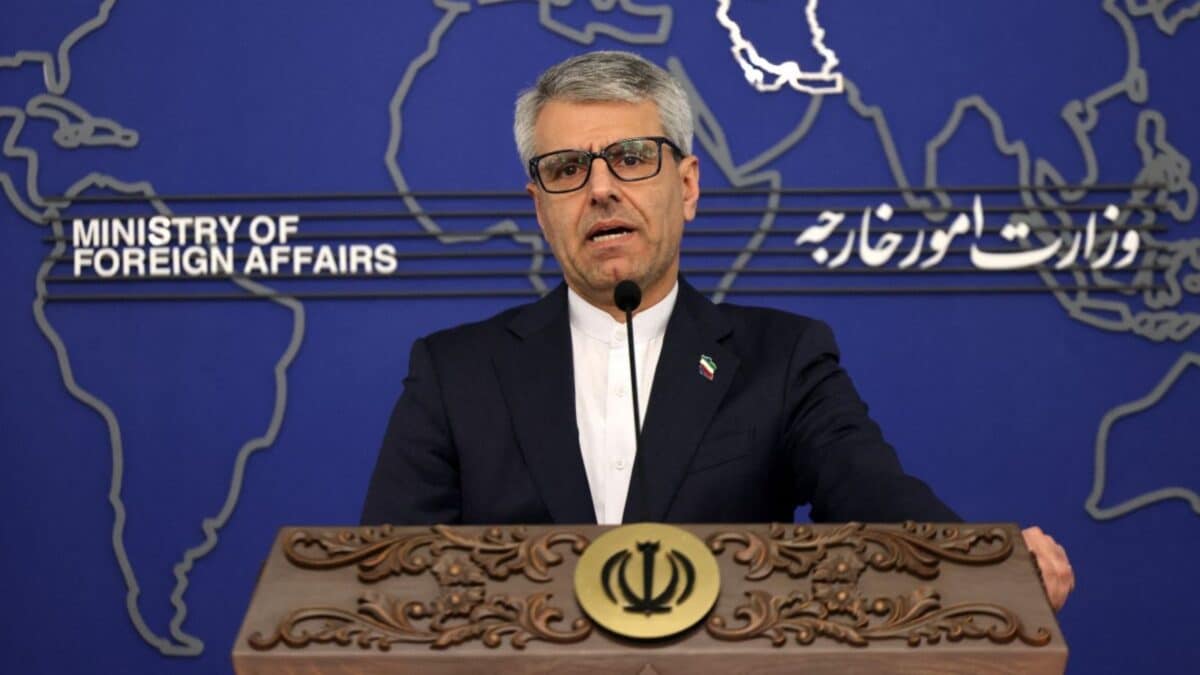
Iranian Foreign Ministry spokesperson Esmail Baghaei described the arrangement as a “framework agreement" focused primarily on ending the war, while saying more detailed negotiations could continue for 30 to 60 days.
Baghaei also said sanctions relief remained a central Iranian demand and confirmed that ending fighting “on all fronts, including Lebanon," was part of Tehran’s position.
Axios reported that the draft agreement also addresses the Israel-Hezbollah conflict in Lebanon.
According to the report, the understanding would require an end to the war between Israel and Hezbollah, though Israeli forces would still be allowed to act if Hezbollah attempted to rearm or launch attacks.
TRUMP HELD TALKS WITH REGIONAL LEADERS
Trump said he had spoken with leaders from Saudi Arabia, the United Arab Emirates, Qatar, Pakistan, Turkey, Egypt, Jordan and Bahrain, along with Israeli Prime Minister Benjamin Netanyahu.
AP reported that Trump described the conversations as productive and said an announcement could come shortly if negotiations are finalised.
Despite growing optimism, both reports stressed that the proposed arrangement remains fragile.
Axios noted that the agreement has not yet been finalised and could still collapse over unresolved disputes.
The report said the White House hopes differences can be resolved within hours but acknowledged uncertainty over whether Iran would fully commit to nuclear concessions.
The developments come after months of conflict following US and Israeli strikes on Iran earlier this year, attacks that disrupted earlier nuclear talks and triggered retaliatory actions across the region.
While a ceasefire has largely held since April, major issues, including Iran’s missile program, sanctions relief and regional proxy conflicts, remain unresolved.
Handpicked stories, in your inbox
A newsletter with the best of our journalism
News world What’s Inside The Trump-Iran Draft Deal? Strait Of Hormuz, Sanctions Relief Plan, Nuclear Talks
Disclaimer: Comments reflect users’ views, not News18’s. Please keep discussions respectful and constructive. Abusive, defamatory, or illegal comments will be removed. News18 may disable any comment at its discretion. By posting, you agree to our Terms of Use and Privacy Policy.
Read More





 English (US) ·