
 3 days ago
2
3 days ago
2
ARTICLE AD BOX
Last Updated:January 12, 2026, 17:33 IST
The canal, once a symbol of US dominance, now faces China’s rising influence and climate change, challenging Panama’s sovereignty and global trade stability by 2026
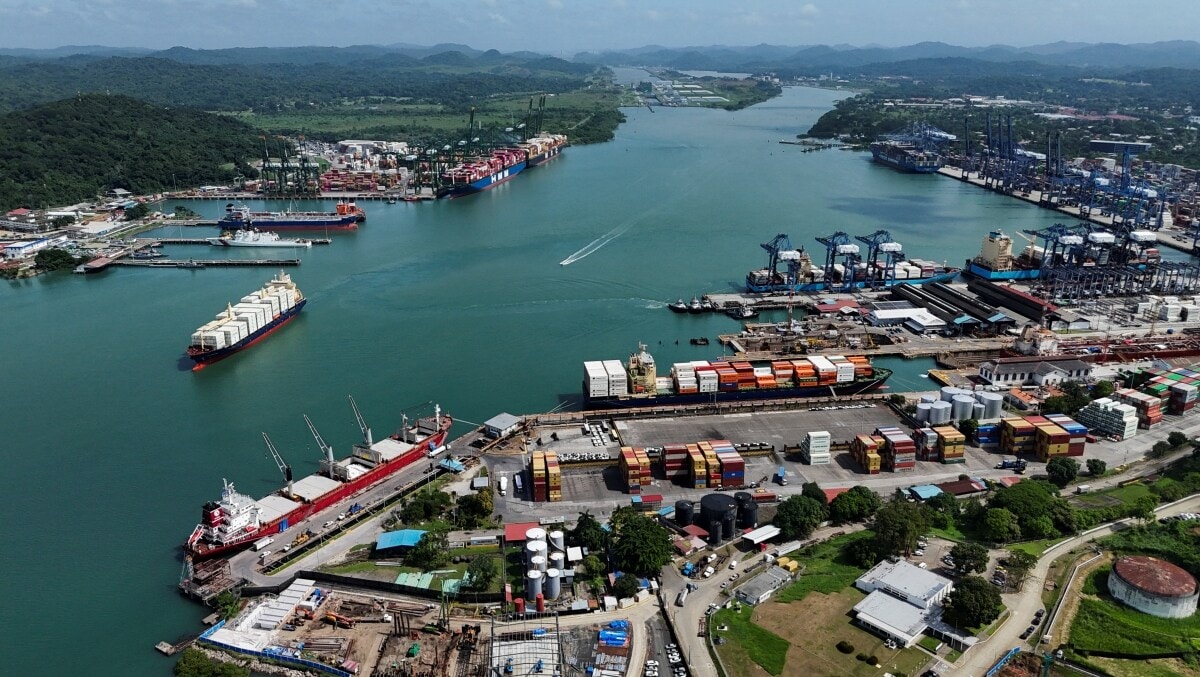
The Panama Canal has never been just a waterway. For more than a century, it has functioned as a lever of global power, determining how quickly armies move, how cheaply goods travel and, ultimately, who holds sway over international trade. From blood-soaked streets in the early 1960s to today's silent but intense rivalry between the United States and China, the canal's history mirrors the shifting balance of global dominance. (News18 Hindi)
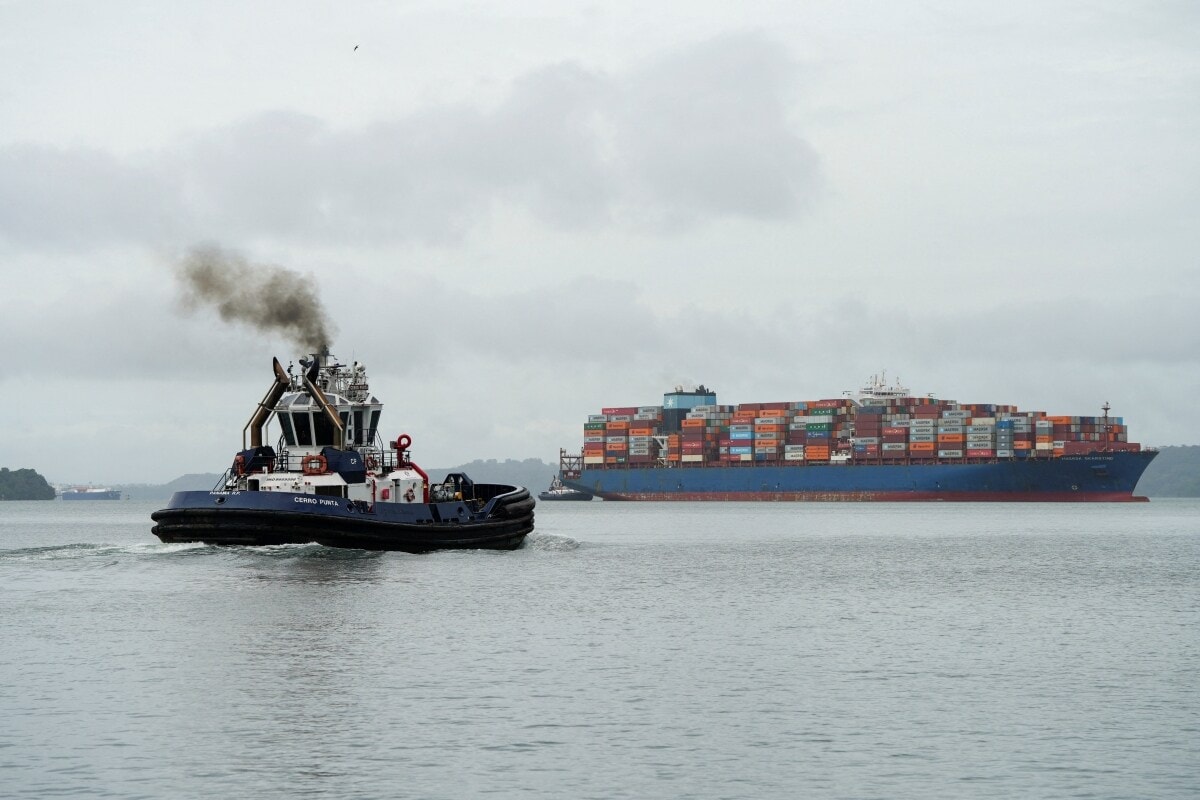
The modern political story of the Panama Canal can be traced back to January 10, 1962, when Panama City erupted in violent protests. Panamanian students and youth took to the streets, demanding sovereignty over land that cut their country in two but remained firmly under American control. What began as protests quickly descended into riots, leaving several dead and exposing the deep resentment simmering beneath decades of US dominance. For many Panamanians, the canal was not an engineering marvel but a symbol of occupation and humiliation. (News18 Hindi)
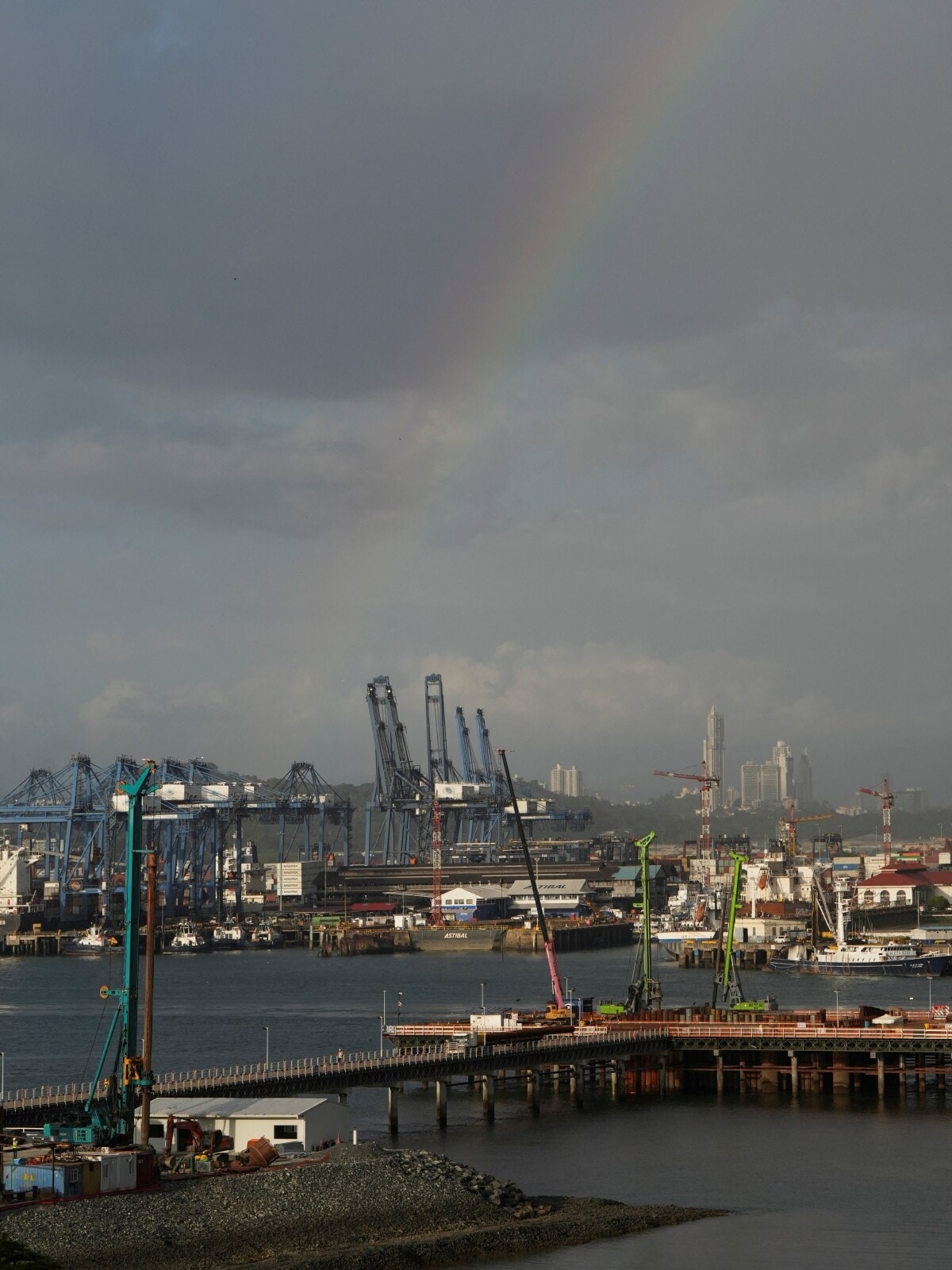
At the time, the US treated the canal zone as its own strategic estate. During the Cold War, it was indispensable to the US Navy and American commerce, allowing rapid movement between the Atlantic and Pacific. For Panama, however, the canal represented enforced dependency. The 1962 riots marked a turning point, shaking the assumption that American control could continue indefinitely without consequences. (News18 Hindi)
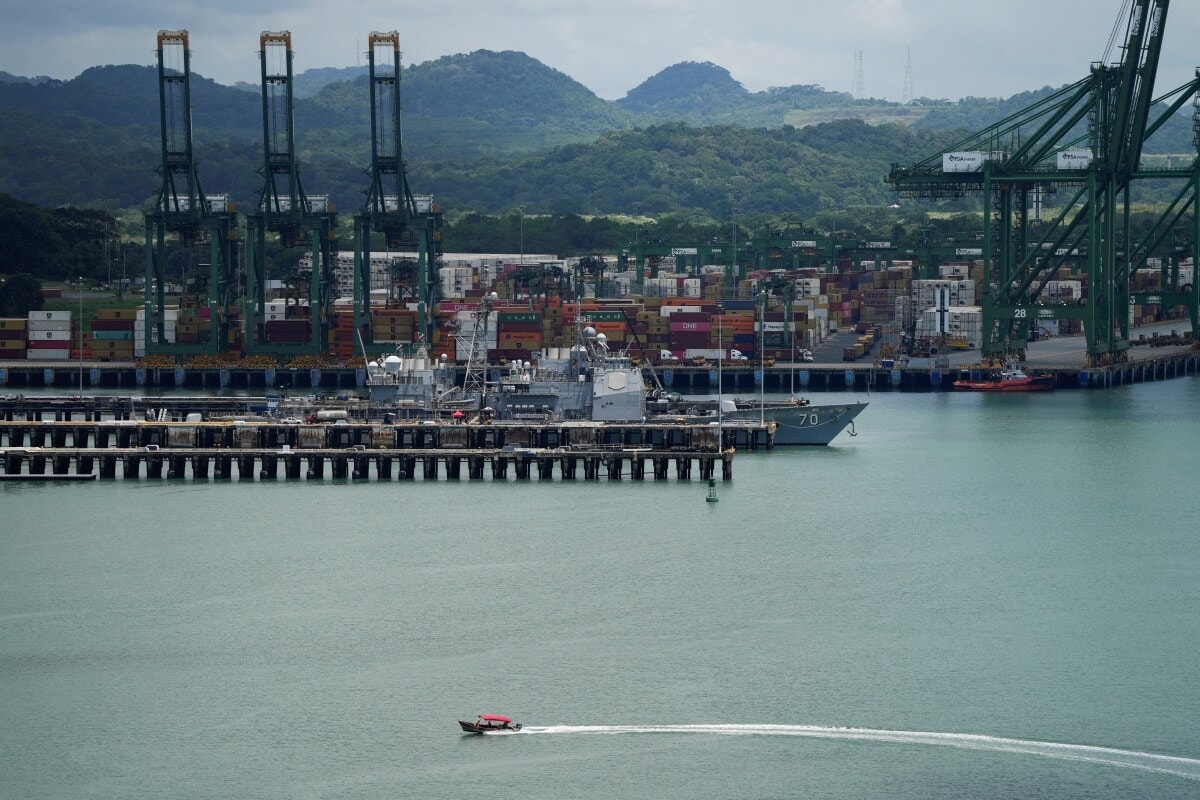
Nationalist sentiment gathered force throughout the 1960s and early 1970s. One demand, in particular, captured the mood of the nation; the right to fly Panama's flag on its own territory. That call for symbolic recognition carried global resonance and drew international attention to Panama’s struggle. Under mounting diplomatic pressure and amid changing global attitudes towards colonial-style control, the United States was forced to rethink its position. (News18 Hindi)
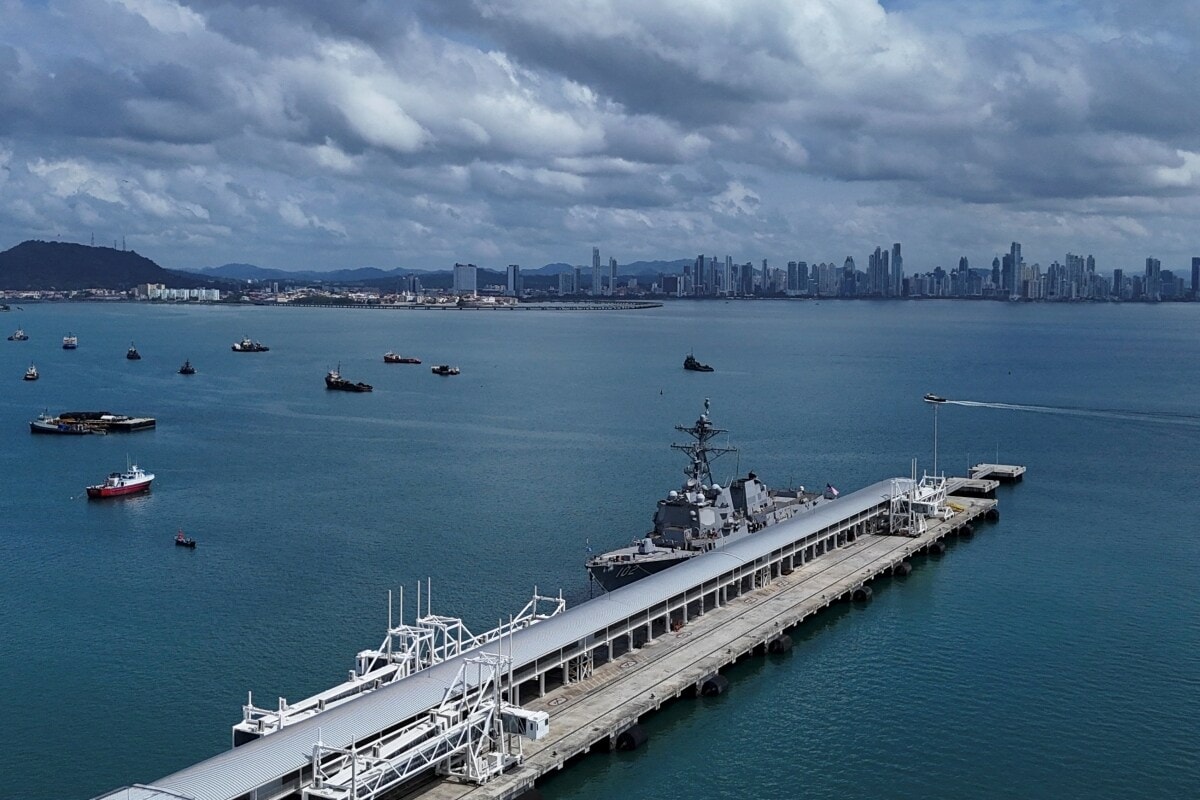
The breakthrough came in 1977 with the signing of the Torrijos-Carter Treaties. The agreements, reached after years of negotiation, laid out a phased transfer of control of the canal from the US to Panama. Though the United States retained security guarantees and significant influence, the treaties acknowledged a reality that had become unavoidable: direct American rule over the canal was coming to an end. (News18 Hindi)
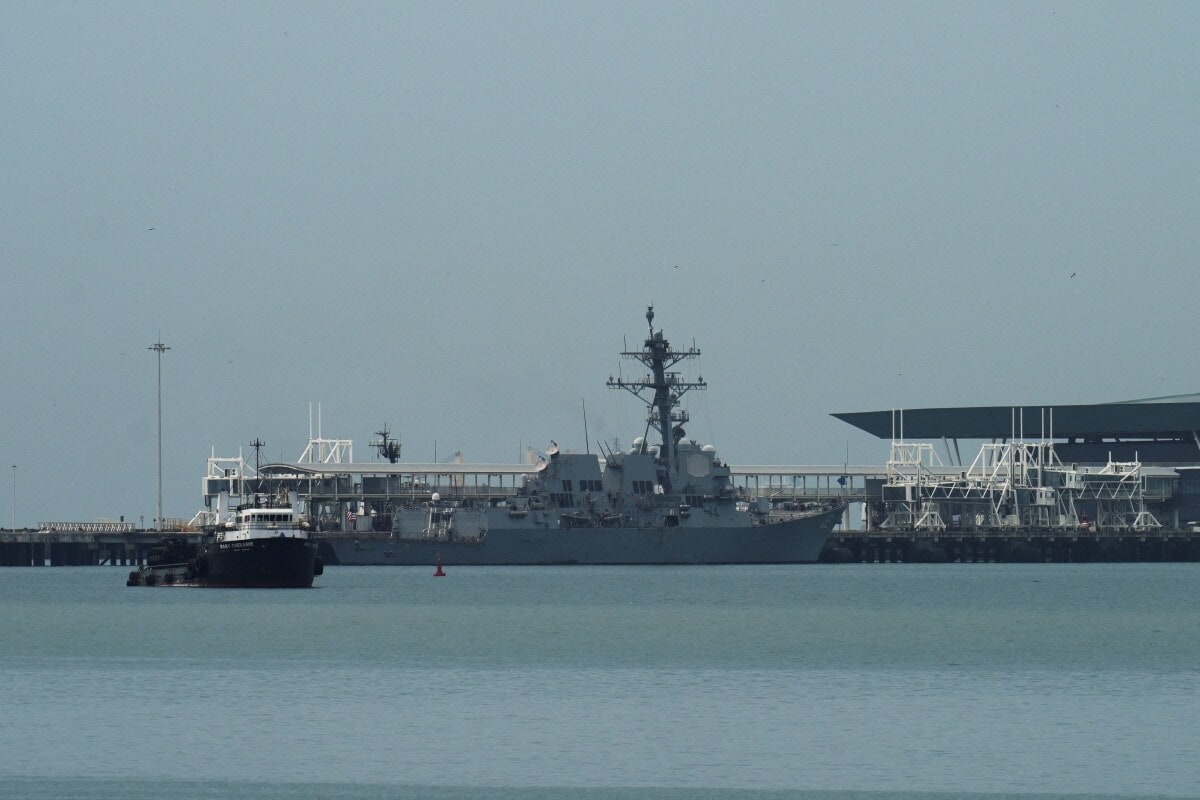
That transition was completed on December 31, 1999, when Panama formally assumed full control of the canal. The moment was celebrated domestically as the culmination of a long struggle for sovereignty. Yet while US flags were lowered, American influence did not entirely disappear. Strategic interests, economic leverage and security cooperation ensured the US remained an important behind-the-scenes player. (News18 Hindi)
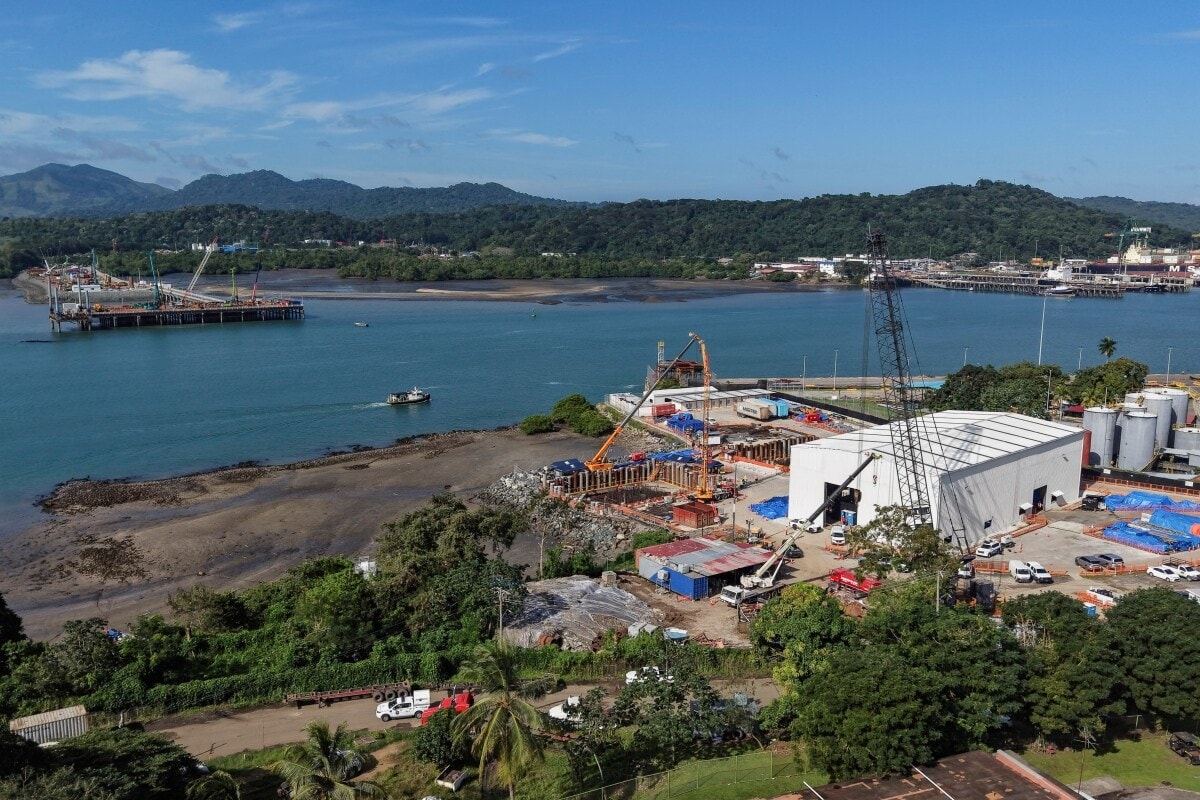
By 2026, however, the geopolitical landscape around the canal has shifted dramatically. The United States now frames its role as a partnership centred on global trade stability and maritime security. But it is no longer the only major power with stakes in Panama. Over the past decade, China has steadily expanded its footprint, investing heavily in ports, logistics hubs and infrastructure linked to the canal. China's growing presence in Central America has raised alarm bells in the US, which views the canal as a critical vulnerability in the global supply chain. (News18 Hindi)
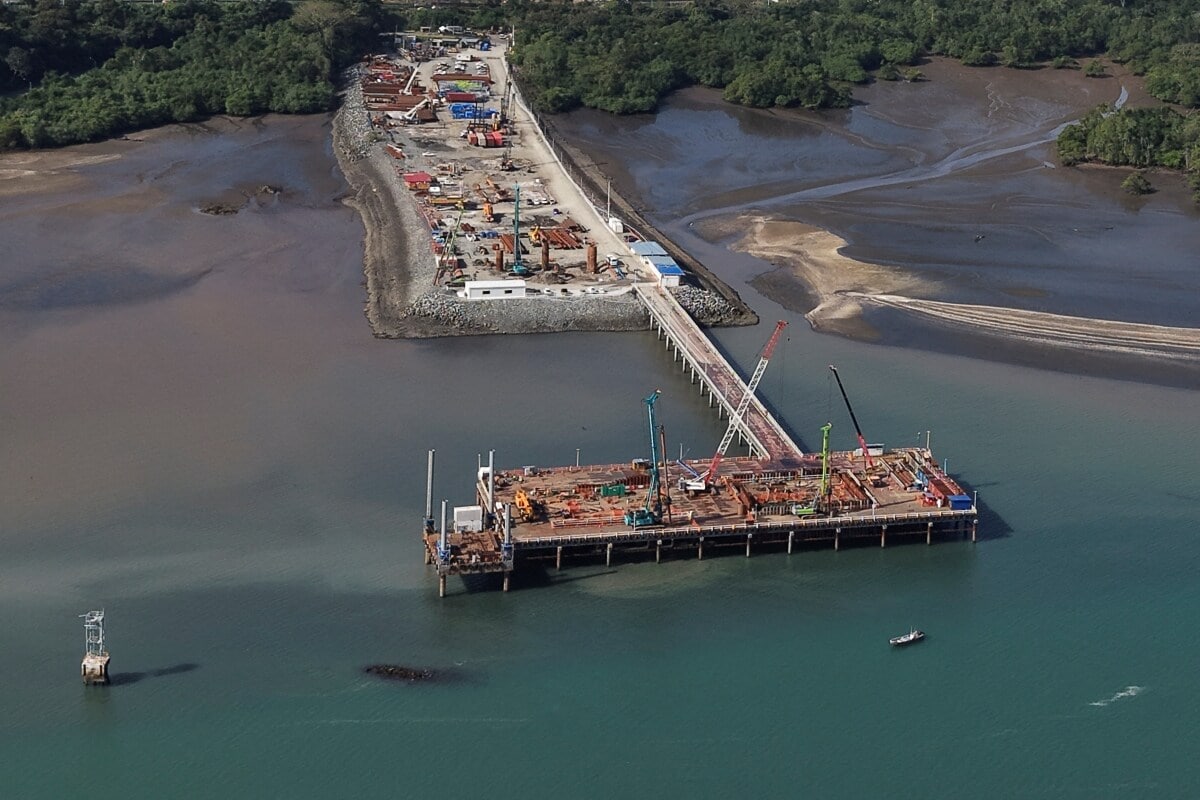
American strategists fear that China's influence could one day translate into leverage over one of the world's most important trade chokepoints. Panama, once again, finds itself navigating a delicate balance, caught between two rival superpowers competing for economic and strategic advantage. Compounding these tensions is an emerging threat that neither diplomacy nor military power can easily resolve. (News18 Hindi)
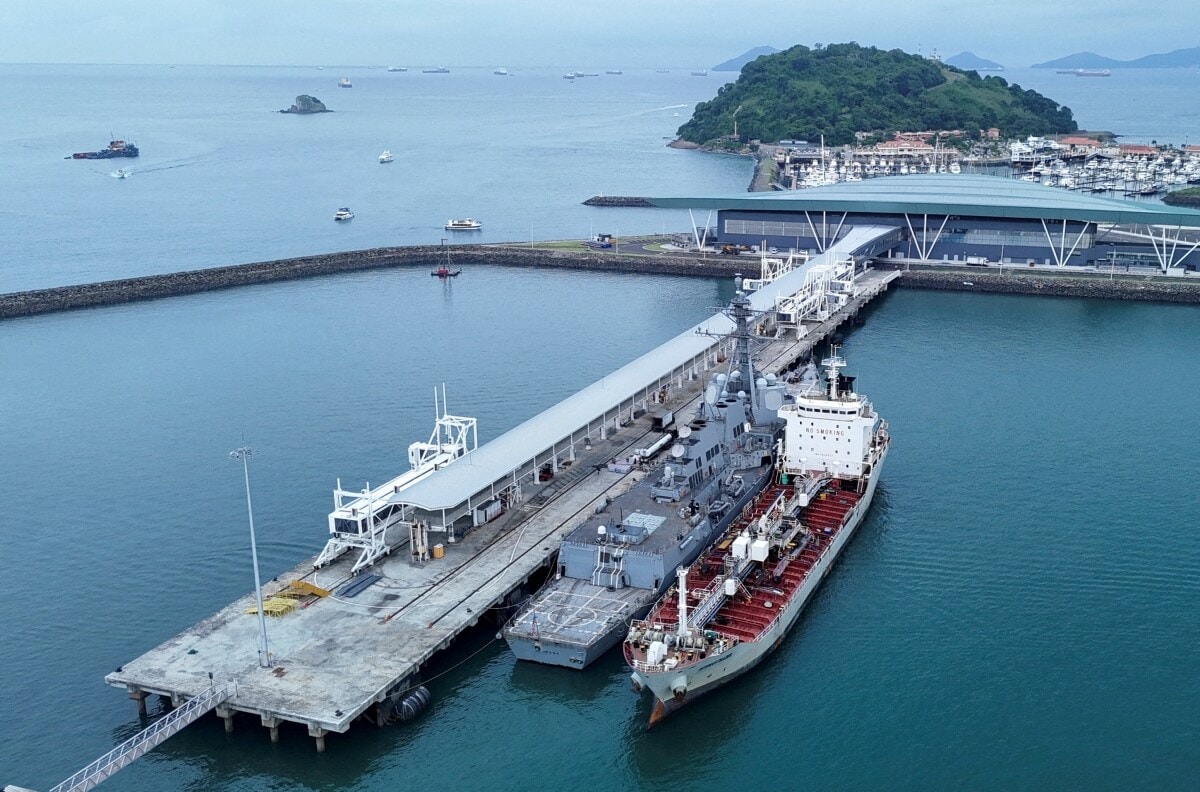
Climate change has begun to undermine the canal's basic functioning. Reduced rainfall and prolonged droughts have lowered water levels in the lakes that feed the canal's locks, forcing restrictions on ship traffic. In 2026, operational challenges linked to water scarcity have disrupted shipping schedules and driven up costs, sending ripples through global trade networks. (News18 Hindi)
News Photogallery world Who Really Rules Global Trade? The Canal That Broke US Control And Drew China In




 English (US) ·