
 1 week ago
2
1 week ago
2
ARTICLE AD BOX
Last Updated:January 09, 2026, 14:46 IST
Every year on January 8, Kim Jong Un's birthday passes without parades or praise, a rare silence in North Korea, rooted in a family history the regime has spent decades hiding
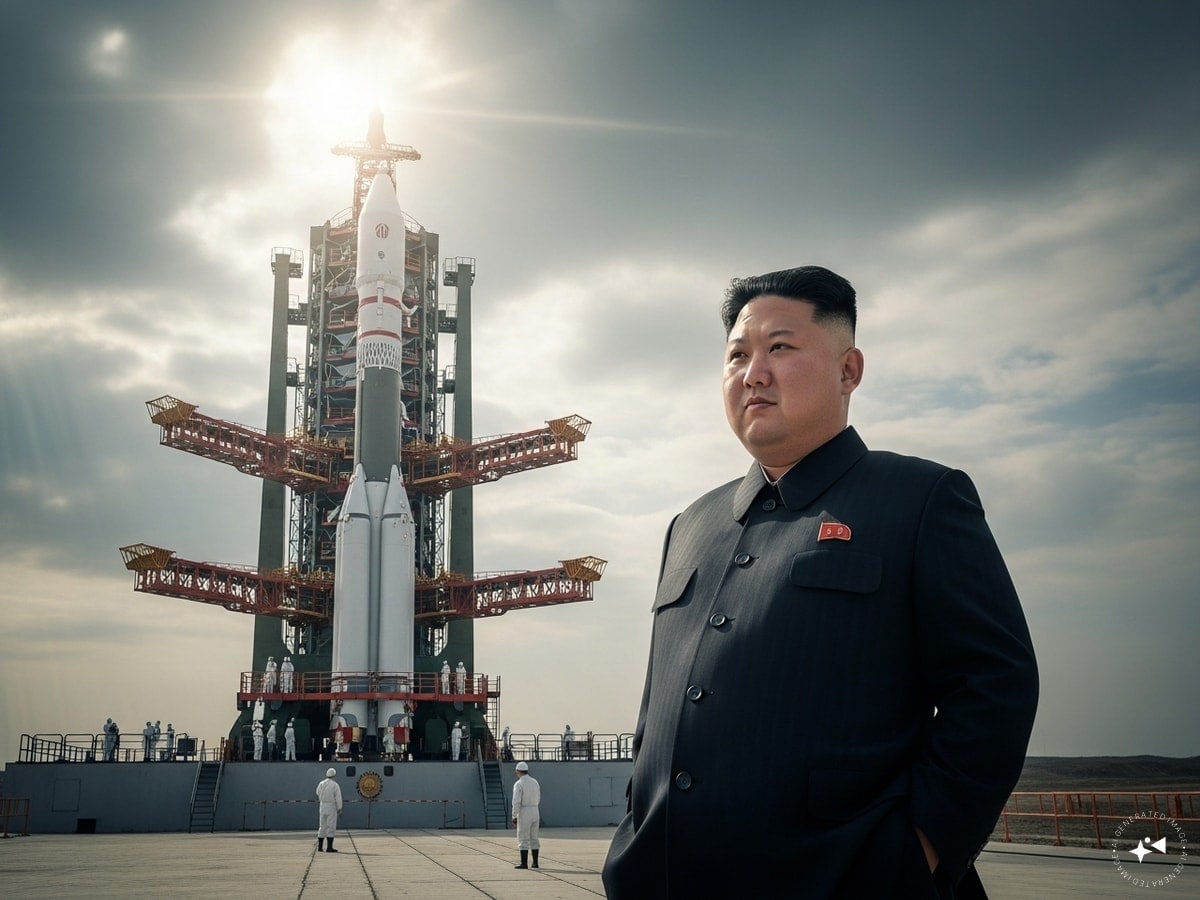
Every year on January 8, the world quietly marks the birthday of Kim Jong Un, the secretive ruler of North Korea. Inside the country, however, the date comes and goes without fanfare. There are no grand parades, no public holidays, and no official tributes in state media. Analysts and defectors say the silence reflects a carefully calibrated political choice rooted in lineage, ideology and the regime's obsession with image control. At the centre of this calculated restraint lies an uncomfortable truth about Kim Jong Un's family history, specifically, about his mother. (AI-Generated Image)
North Korea has never officially confirmed Kim Jong Un's date of birth, let alone turned it into a national celebration. While many international sources believe he was born on January 8, estimates of his birth year range from 1982 to 1984. The US Treasury Department lists 1984, while other intelligence assessments suggest he may be older. The ambiguity itself is deliberate, helping the regime avoid scrutiny of the circumstances surrounding his birth and parentage. (AI-Generated Image)
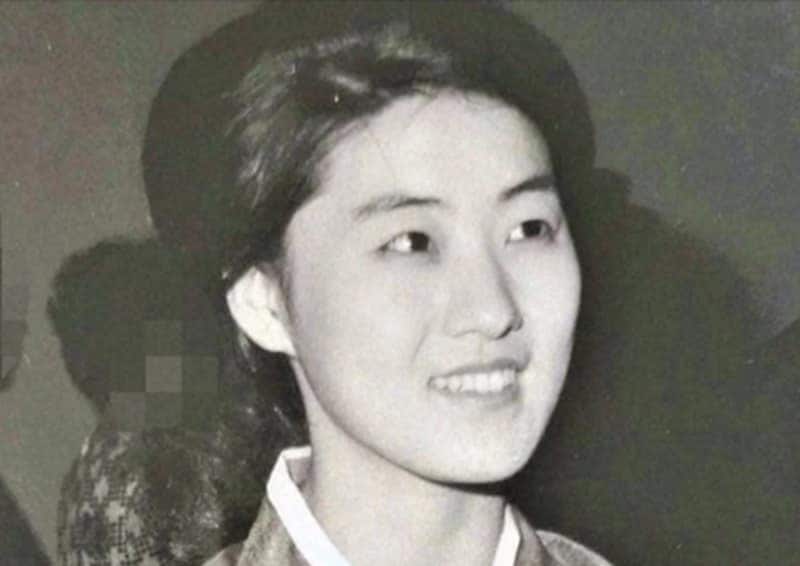
Kim Jong Un's mother, Ko Yong-hui, was born in Japan and was a dancer. In North Korean society, people with ties to Japan are placed in the lower class called Songbun. There is a class system in North Korea known as 'Songbun', where people who returned from Japan are considered lower status. (News18 Hindi)
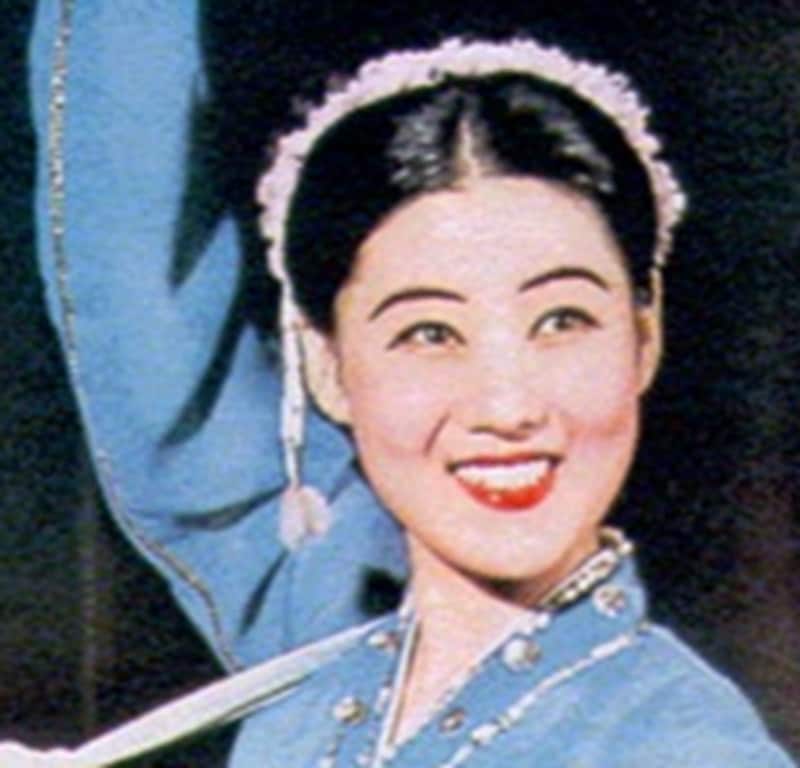
Ko Yong-hui was born in Osaka, Japan, to Korean parents who had migrated there during Japan's colonial rule over the Korean peninsula. In North Korea's rigid social hierarchy, known as Songbun, ancestral ties to Japan are considered deeply problematic. Families associated with Japan, an officially designated enemy state, are often classified as politically unreliable, regardless of loyalty or achievement. (News18 Hindi)
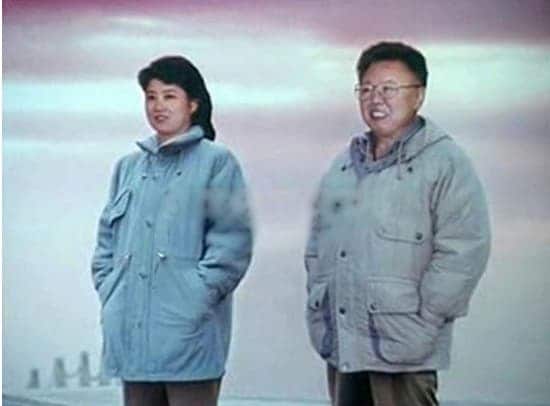
After moving to North Korea in the 1960s, Ko Yong-hui became a professional dancer with the Mansudae Art Troupe, one of the country's most prestigious cultural institutions. It was there that she met Kim Jong Il. Within the deeply patriarchal and elitist structure of the regime, her background as a Japan-born dancer conflicted with the mythologised image of revolutionary purity expected of the ruling bloodline. (News18 Hindi)
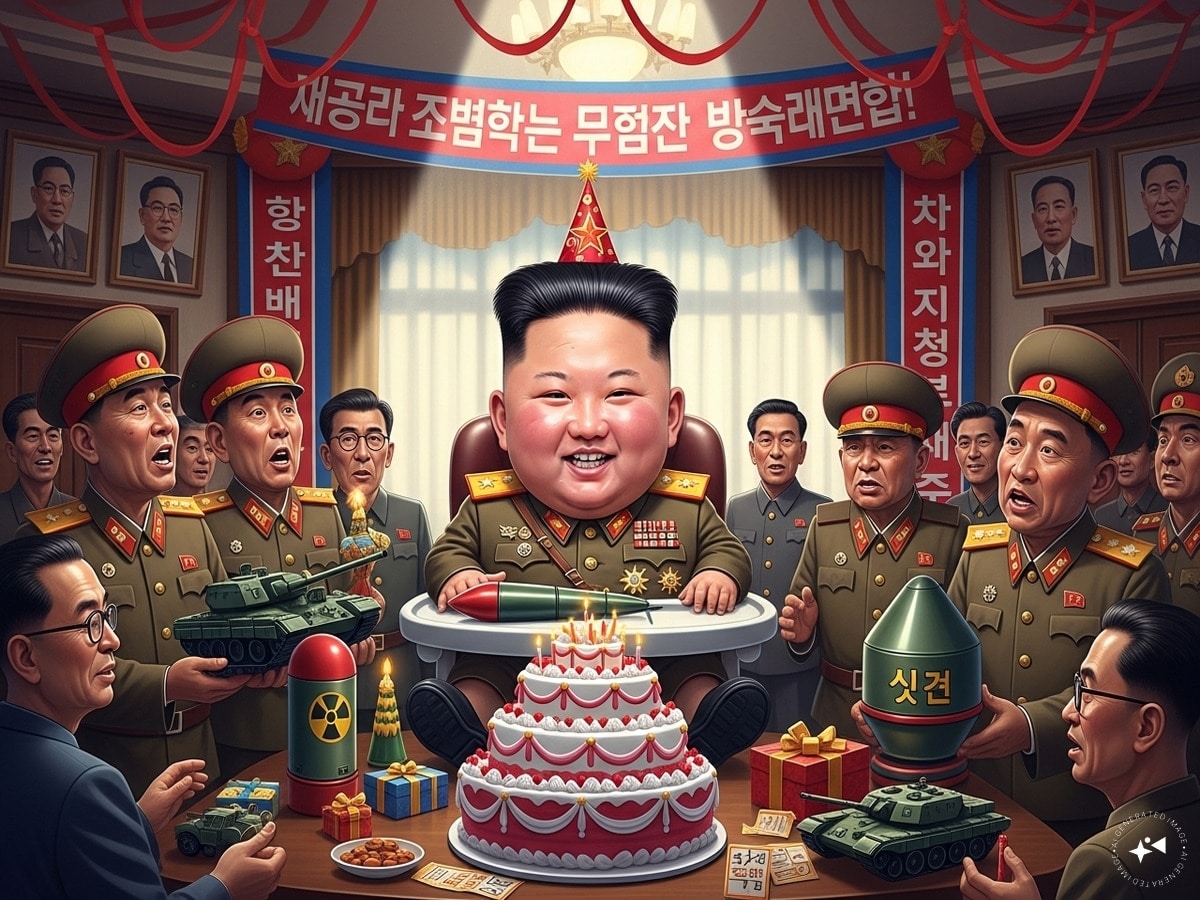
Any official celebration of Kim Jong Un's birthday would inevitably draw attention to his maternal lineage, something the regime has worked for decades to hide. For a leadership that derives legitimacy from the concept of a "sacred" family line descending from Kim Il Sung, such scrutiny is politically risky. There is also precedent. Kim Jong Un's father, Kim Jong Il, did not have his birthday elevated to an official holiday until he turned 40. Within the North Korean power structure, Kim Jong Un is still portrayed as relatively young, and some observers believe the leadership views large-scale birthday celebrations as premature. (AI-Generated Image)
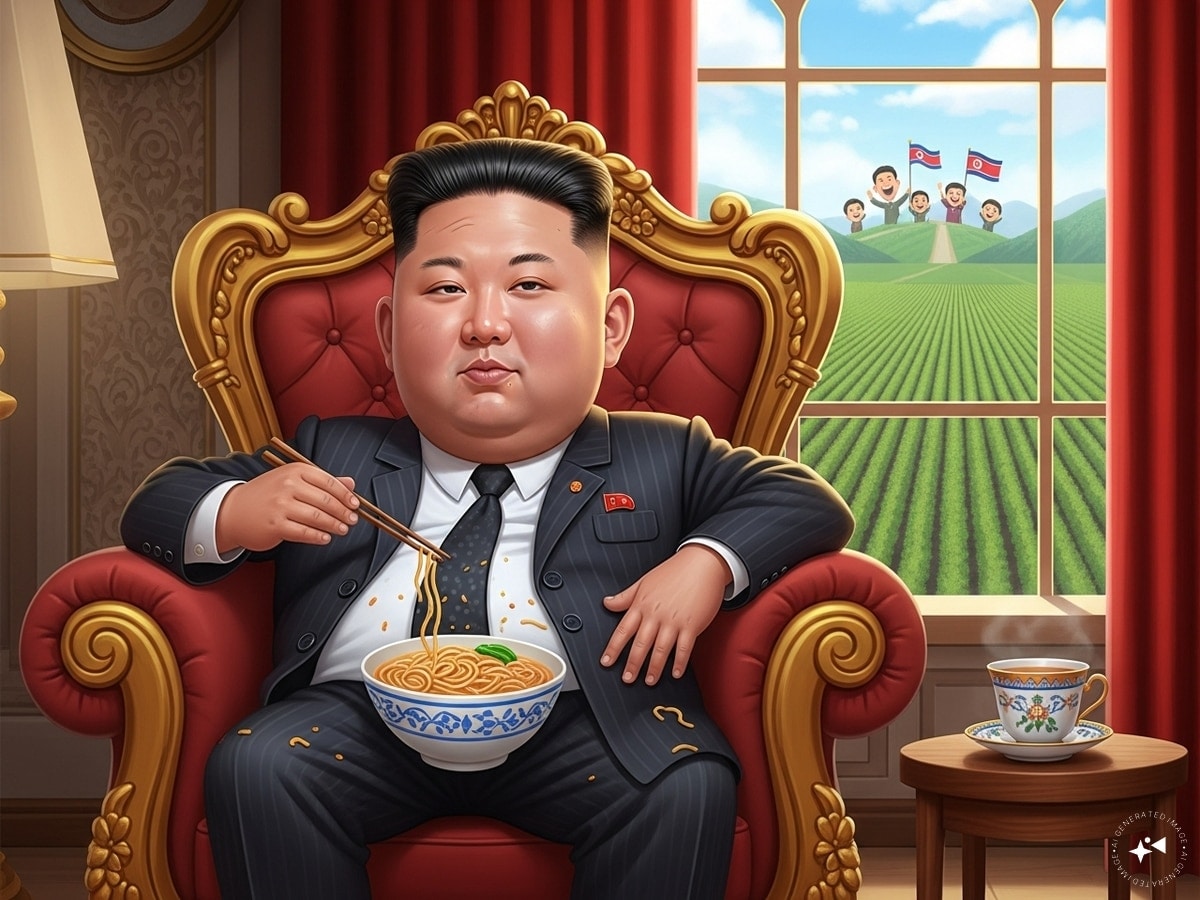
State media has consistently downplayed the date. Even in recent years, January 8 coverage has focused instead on economic targets, military inspections, or preparations for party meetings. No official mention of the leader's birthday is made, reinforcing the impression that it is an ordinary working day. The outside world became widely aware of Kim Jong Un's birthday only in 2014, when former NBA star Dennis Rodman famously sang "Happy Birthday" to him during a highly publicised visit to Pyongyang, an episode that embarrassed the regime precisely because it spotlighted a date it prefers to keep low-key. (AI-Generated Image)
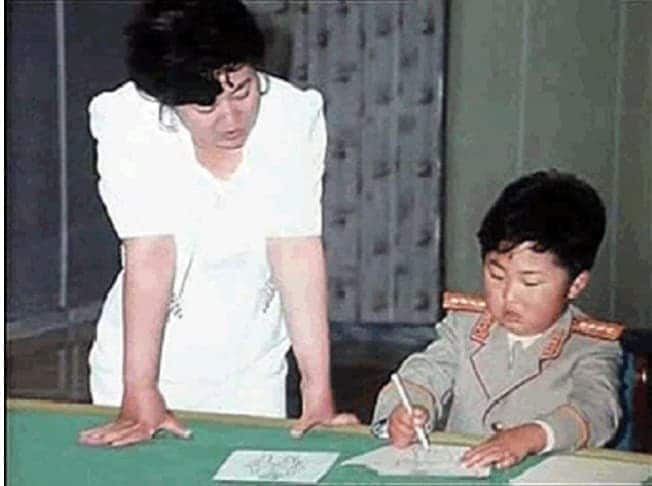
Within North Korea, Ko Yong-hui occupies a paradoxical position. She is revered in carefully curated internal narratives as the "Mother of Pyongyang", yet her real name, birthplace and personal history are rarely mentioned. A state-produced documentary once praised her as a "Great Mother", but conspicuously omitted any reference to her Japanese origins or life before meeting Kim Jong Il. Reports suggest she was Kim Jong Il's third wife or concubine, another detail considered ideologically inconvenient. (News18 Hindi)
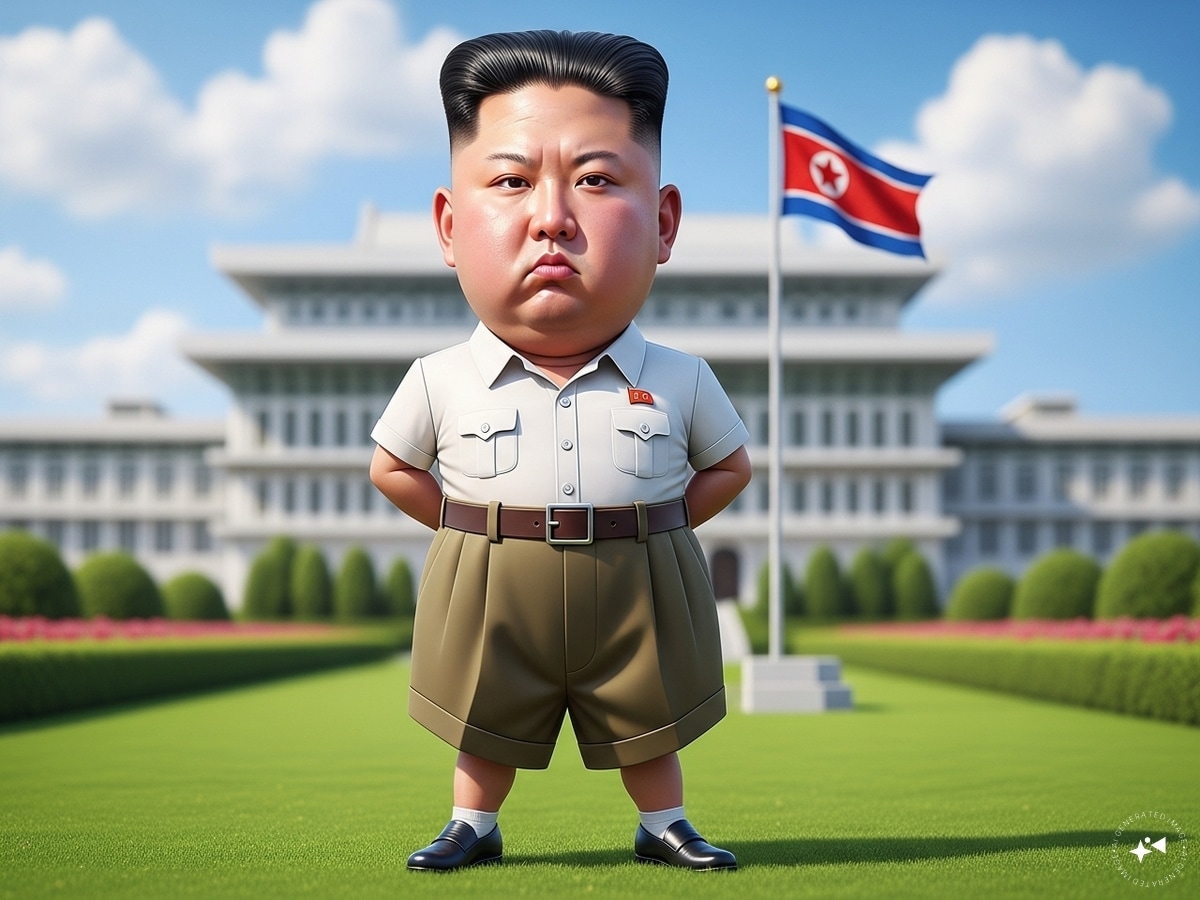
During Kim Jong Un's rise to power, the leadership took pains to suppress discussion of his mother to prevent questions about legitimacy, inheritance and revolutionary pedigree. (AI-Generated Image)
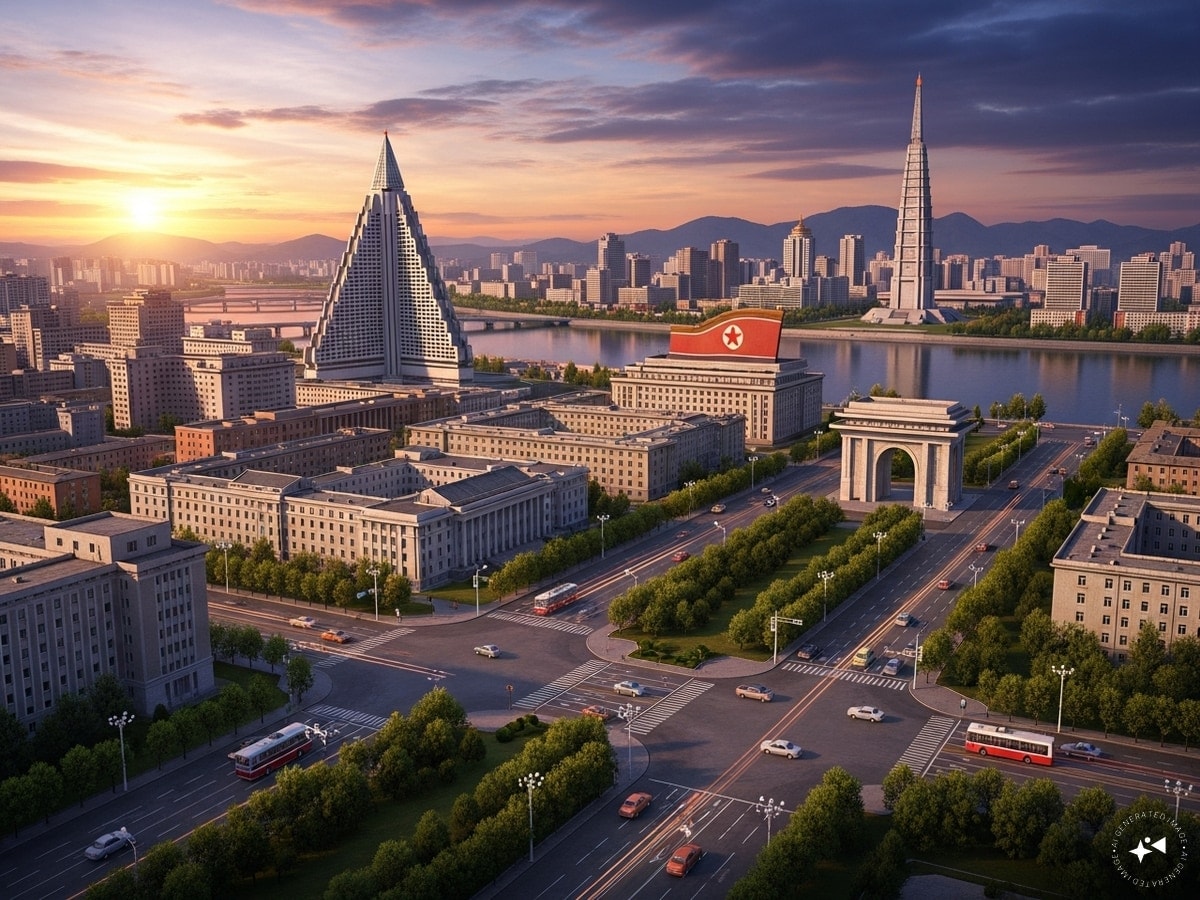
A lavish tomb dedicated to her reportedly exists in Pyongyang, but access is tightly restricted. Ordinary citizens are forbidden from discussing her background, and references to her Japanese connections are treated as acts of political disloyalty, even treason. (AI-Generated Image)
News Photogallery world Why Kim Jong Un Doesn't Celebrate His Birthday And Doesn't Want People To Know His Mother








 English (US) ·