
 1 hour ago
3
1 hour ago
3
ARTICLE AD BOX
Last Updated:May 28, 2026, 23:04 IST
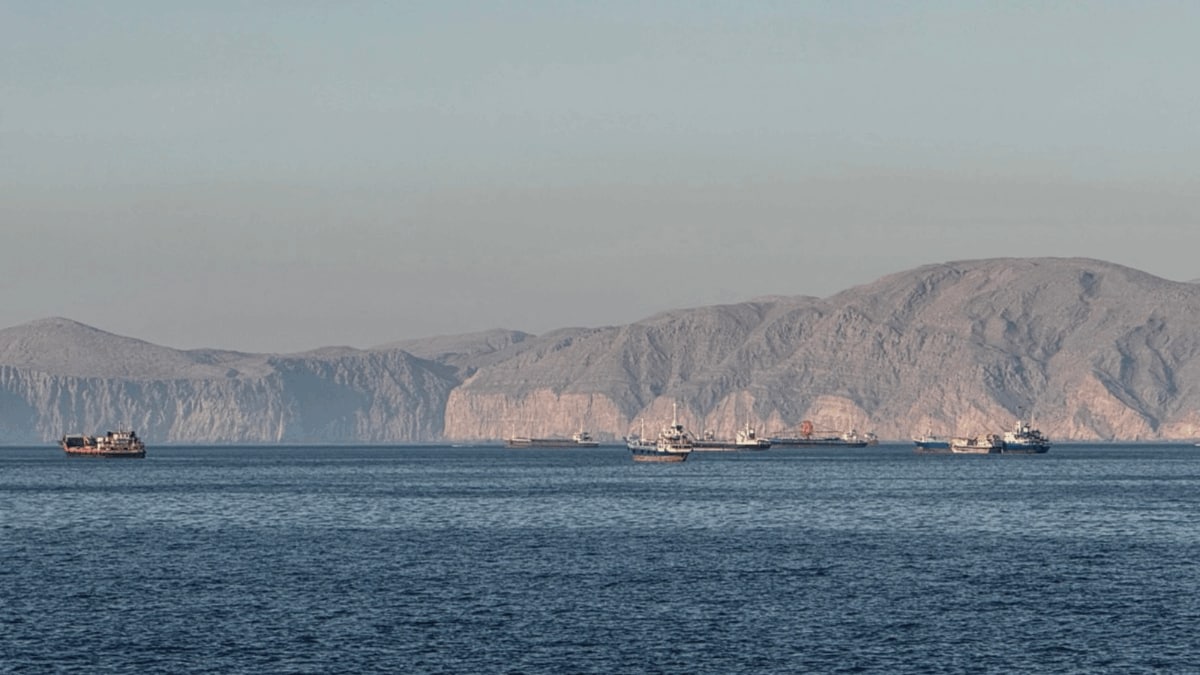
Strait Of Hormuz, which serves as the primary artery for roughly 20% of global petroleum and LNG consumption, has remained entirely paralysed since the war began in February.


US President Donald Trump (AFP file photo)
In a stunning escalation that has shattered more than two centuries of diplomatic goodwill, US President Donald Trump has issued a direct military threat to bomb the Sultanate of Oman. The unprecedented warning targets the traditionally neutral Gulf kingdom over a leaked maritime framework that would grant Oman and Iran joint regulatory control over the strategic Strait of Hormuz.
The extraordinary confrontation has pushed US-Oman ties—which stretch back to the dawn of American independence when the Boston merchant vessel The Rambler docked in Muscat during George Washington’s first inauguration—to an all-time historic low.
Speaking to reporters during an expansive White House Cabinet meeting on Wednesday, Trump flatly rejected any short-term or temporary compromise that would allow Muscat and Tehran to co-manage the world’s most critical energy artery.
“No, the Strait is going to be open to everybody," Trump declared. “It’s international waters and Oman will behave just like everybody else or we’ll have to blow them up. They understand that, they’ll be fine."
Why Oman Has Angered Trump Amid US-Iran Negotiations
The sudden breakdown in relations stems from the deepening gridlock over the Strait of Hormuz, a highly sensitive geopolitical chokepoint bordered by Iran to the north and Oman’s Musandam exclave to the south.
The friction reached a boiling point after Iranian state media leaked an unconfirmed draft peace framework aimed at ending the war that erupted on February 28. According to the leaked blueprint, in exchange for Washington lifting its crushing naval blockade on Iranian ports, commercial traffic flowing through the strait would be regulated under a joint traffic and tolling system cooperatively managed by Iran and Oman.
While Oman’s Foreign Ministry has maintained that its discussions with Tehran focused strictly on preserving the freedom of navigation in line with international law, the White House aggressively dismissed the plan. Washington views any sovereign regional tolling mechanism or transit fee inside the corridor as a direct, unacceptable threat to the free status of international waters.
What Actions US Planning Against Oman
The explicit threat of air strikes marks a volatile pivot for Oman, which served as the primary backchannel mediator between U.S. and Iranian diplomats in Geneva before the outbreak of open hostilities, and has ironically faced political attacks from Tehran itself.
Now, the Trump administration is preparing a multi-pronged offensive against the Gulf nation if it moves forward with the Hormuz toll plan. Beyond Trump’s explicit warning of military bombardment, the administration is preparing devastating economic penalties designed to isolate Muscat financially.
US Treasury Secretary Scott Bessent issued an aggressive directive warning that Washington will treat any logistical participation in the tolling framework as a sanctionable offence.
“The United States Government will not tolerate any effort to impose a tolling system in the Strait of Hormuz," Bessent posted on X. “Oman, in particular, should know that the U.S. Treasury will aggressively target any actors involved – directly or indirectly – in facilitating tolls for the Strait and any willing partners will be penalized. All nations should reject outright any efforts by Iran to disrupt the free flow of commerce. Tehran’s days of terrorizing the region and the world are over."
Why Strait Of Hormuz Remains Shut
The narrow waterway, which serves as the primary artery for roughly 20% of global petroleum and liquid natural gas (LNG) consumption, has remained entirely paralysed since the United States and Israel launched coordinated military strikes against Iran in late February.
In immediate retaliation, Tehran leveraged its geographic advantage to practically shut down the corridor. Deploying an asymmetric mix of sea mines, anti-ship missiles, and fast-attack drone boats, Iran effectively blocked all commercial shipping, causing global energy benchmarks and fertilizer prices to skyrocket.
The blockade has since evolved into a high-stakes “dual deadlock." Compounding Iran’s tactical shutdown, a heavy U.S. Naval blockade is actively deployed around the strategic point, strictly intercepting all vessels entering or leaving the region in a coordinated campaign to completely cripple Iran’s oil revenues and paralyze its domestic economy.
Handpicked stories, in your inbox
A newsletter with the best of our journalism
Location :
Washington D.C., United States of America (USA)
News world Why Trump Has Turned Against Key US Ally Oman Amid Iran Negotiations
Disclaimer: Comments reflect users’ views, not News18’s. Please keep discussions respectful and constructive. Abusive, defamatory, or illegal comments will be removed. News18 may disable any comment at its discretion. By posting, you agree to our Terms of Use and Privacy Policy.
Read More





 English (US) ·