
 2 days ago
2
2 days ago
2
ARTICLE AD BOX
Last Updated:January 12, 2026, 20:34 IST
A proposed undersea tunnel could link London and New York in 54 minutes via ultra-high-speed trains, costing nearly 20 trillion dollars, but faces massive engineering hurdles
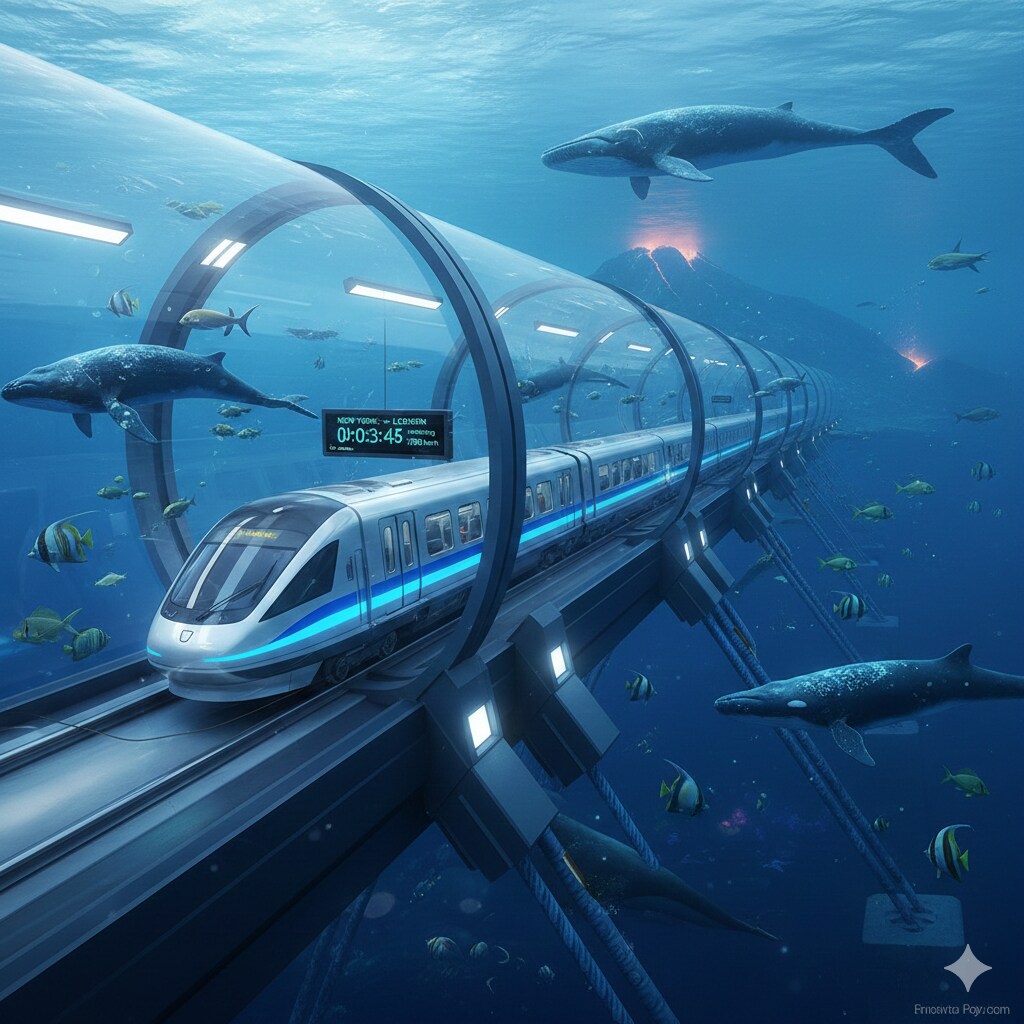
Imagine travelling between two of the world's most powerful cities in under an hour, without boarding an aircraft. A futuristic infrastructure proposal, often described as the most expensive project ever conceived, claims it could make this possible by linking Europe and North America through a single undersea tunnel stretching thousands of kilometres beneath the Atlantic Ocean. (AI-Generated Image)
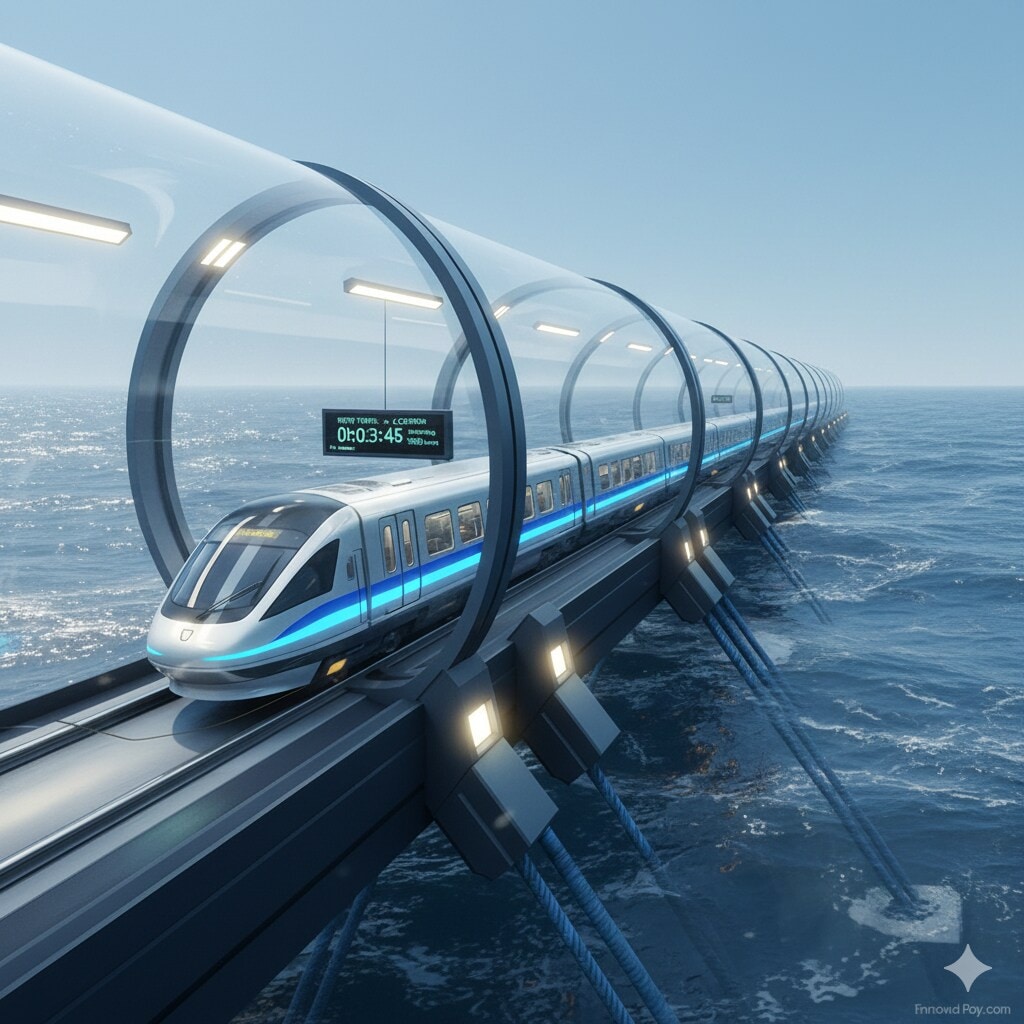
The proposed project envisions an underground rail corridor connecting London and New York, two global financial and technological hubs separated by nearly 5,500 kilometres of ocean. If built, the tunnel would dwarf every existing infrastructure project in human history, both in scale and cost. Estimates suggest the project could require an investment of nearly $20 trillion (roughly Rs 1,800 lakh crore) placing it far beyond the cost of any tunnel, railway, or transport network ever attempted. (AI-Generated Image)
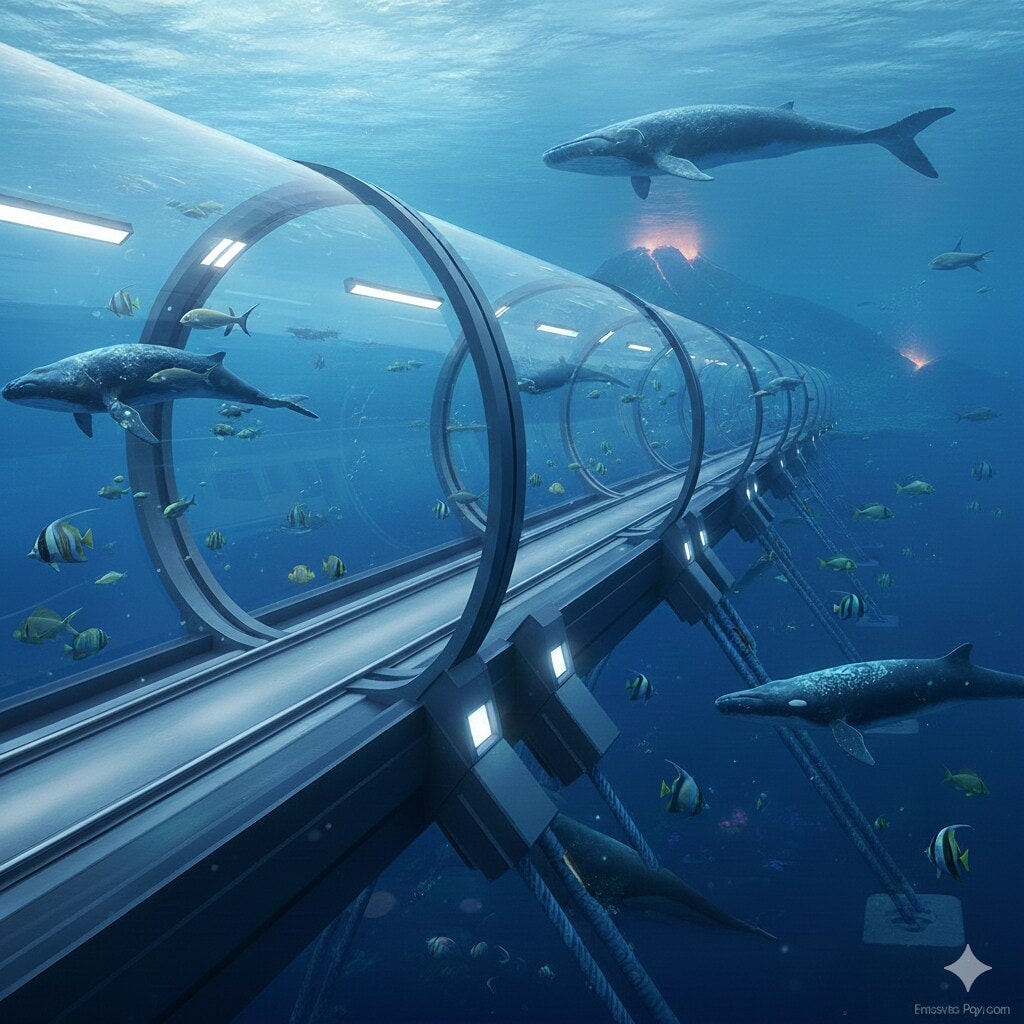
At present, air travel between London and New York takes between seven and eight hours, excluding airport procedures. The proposed tunnel, however, claims it could reduce that journey to just 54 minutes. The dramatic time cut would be achieved through ultra-high-speed trains operating inside a vacuum-sealed tunnel, a concept similar to hyperloop technology. In theory, such trains could travel at speeds approaching 3,000 miles per hour, far exceeding the capabilities of commercial aircraft. (AI-Generated Image)

The tunnel is expected to run for approximately 3,400 miles under the Atlantic Ocean, making it the longest tunnel ever imagined. By comparison, the current record-holder, the Channel Tunnel connecting the United Kingdom and France, measures just 50 kilometres. That project alone took six years to complete and required unprecedented engineering coordination between two nations. The Atlantic tunnel would multiply those challenges many times over. (AI-Generated Image)
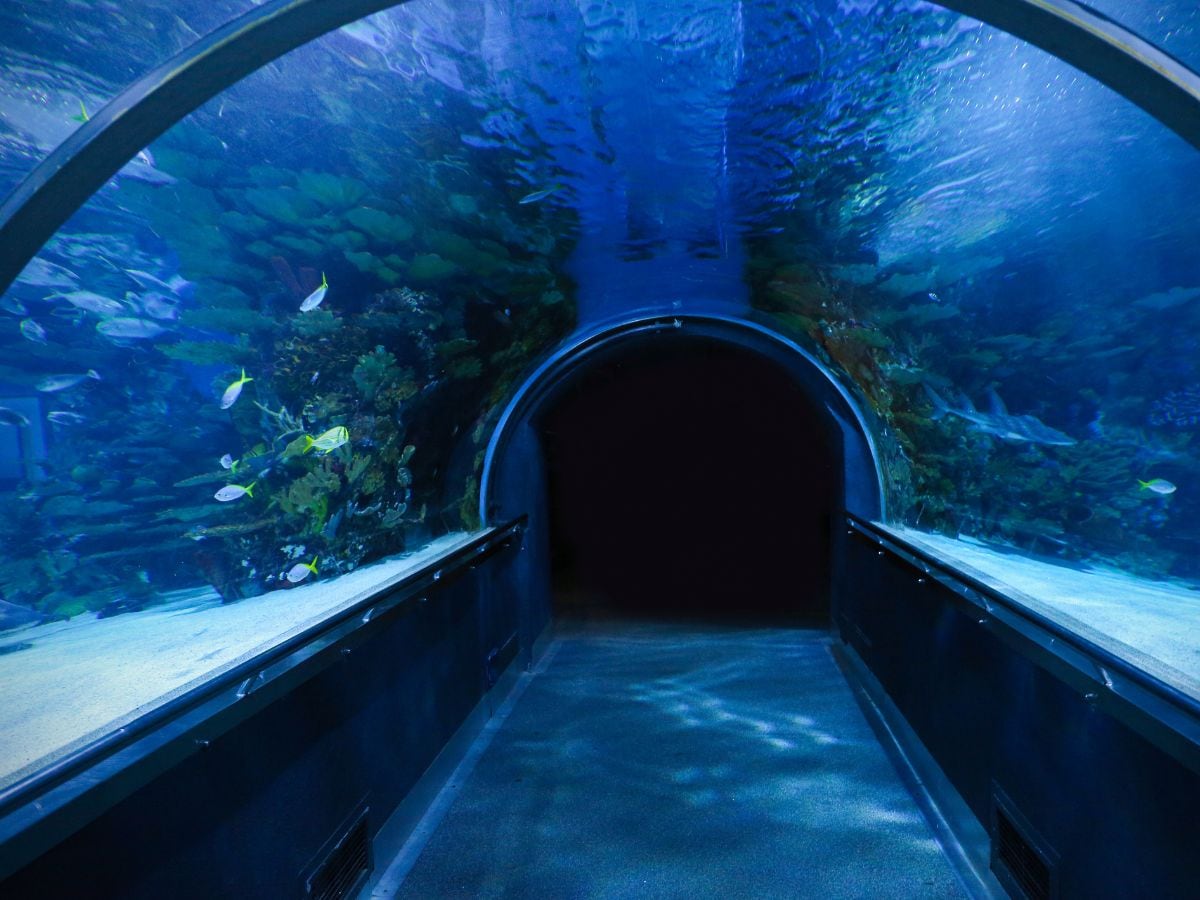
Supporters of the idea argue that the tunnel could redefine global transportation, drastically altering how people, goods, and capital move between continents. Proponents say it would boost tourism, accelerate international business, and tighten economic ties between Europe and North America. Some even suggest it could reshape global geopolitics by effectively bringing two continents closer than ever before. (AI-Generated Image)
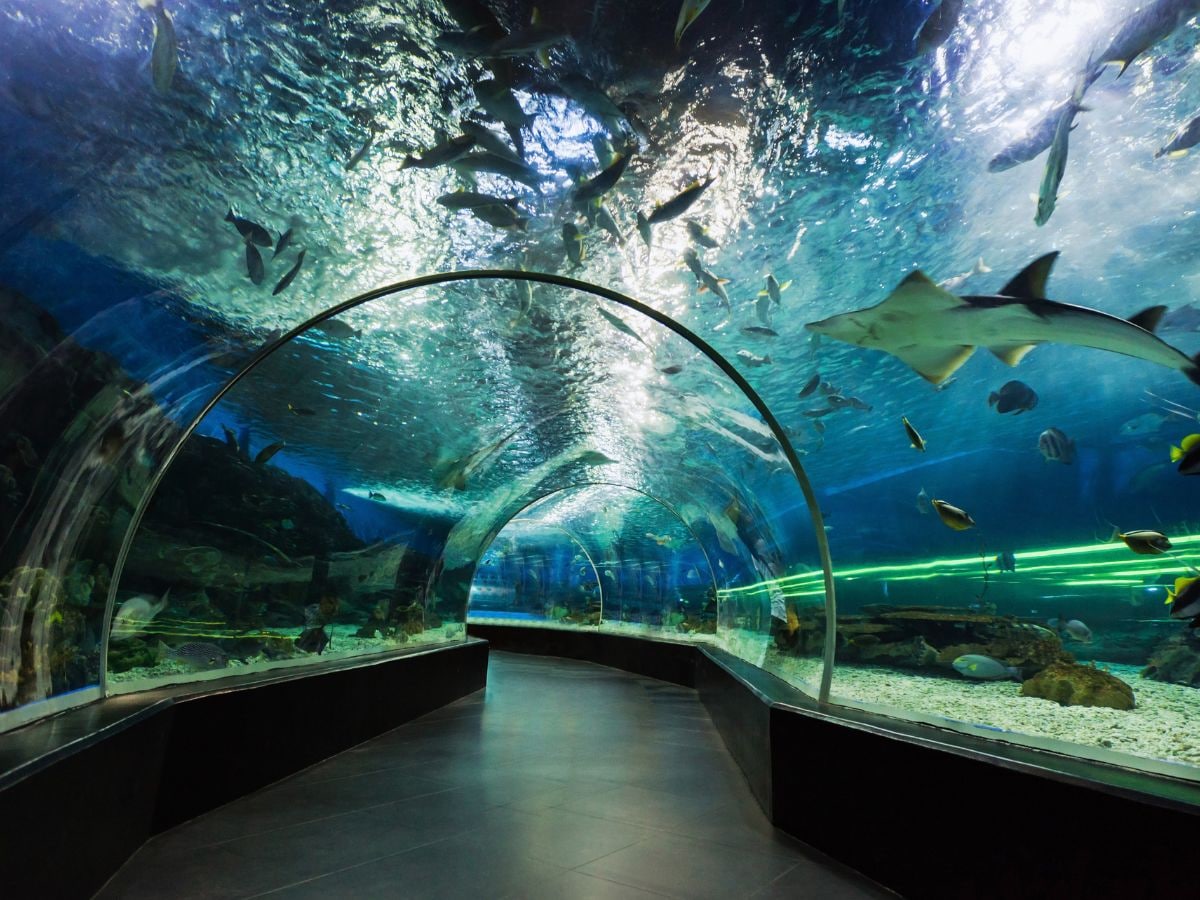
Yet the obstacles remain enormous. The estimated cost is said to be nearly four times the United Kingdom's annual GDP, with materials, energy demands, and construction technology accounting for the bulk of the expense. The engineering challenges of maintaining a stable vacuum environment beneath deep ocean pressures, ensuring passenger safety, and managing seismic risks remain unresolved. As of now, no country possesses the technology required to execute such a project at this scale. (AI-Generated Image)

For these reasons, the tunnel exists largely on paper, discussed more as a visionary concept than a concrete plan. While the United States and the United Kingdom have both seen renewed interest in advanced transport technologies, there is no official confirmation that construction will begin in the foreseeable future. The idea has, however, captured the imagination of futurists and technologists worldwide. Billionaire entrepreneur Elon Musk has previously spoken about transcontinental vacuum tunnels, suggesting such projects could one day redraw the map of the world. Whether rhetoric or roadmap, the vision continues to fuel debate. (AI-Generated Image)
News Photogallery world World's Longest And Costliest Tunnel To Cut 8-Hour Journey Into Just 54 Minutes!





 English (US) ·