
 1 hour ago
1
1 hour ago
1
ARTICLE AD BOX
Last Updated:March 13, 2026, 21:35 IST
Government sources have confirmed to CNN-News18 that India is actively facilitating discussions to establish a common BRICS position on the conflict


For Tehran, a BRICS-led diplomatic intervention represents a shift away from Western-centric mediation. For India, however, the priority remains the safety of nearly one crore (10 million) Indian nationals in the Gulf and the stability of energy supply chains. (Representational image/X)
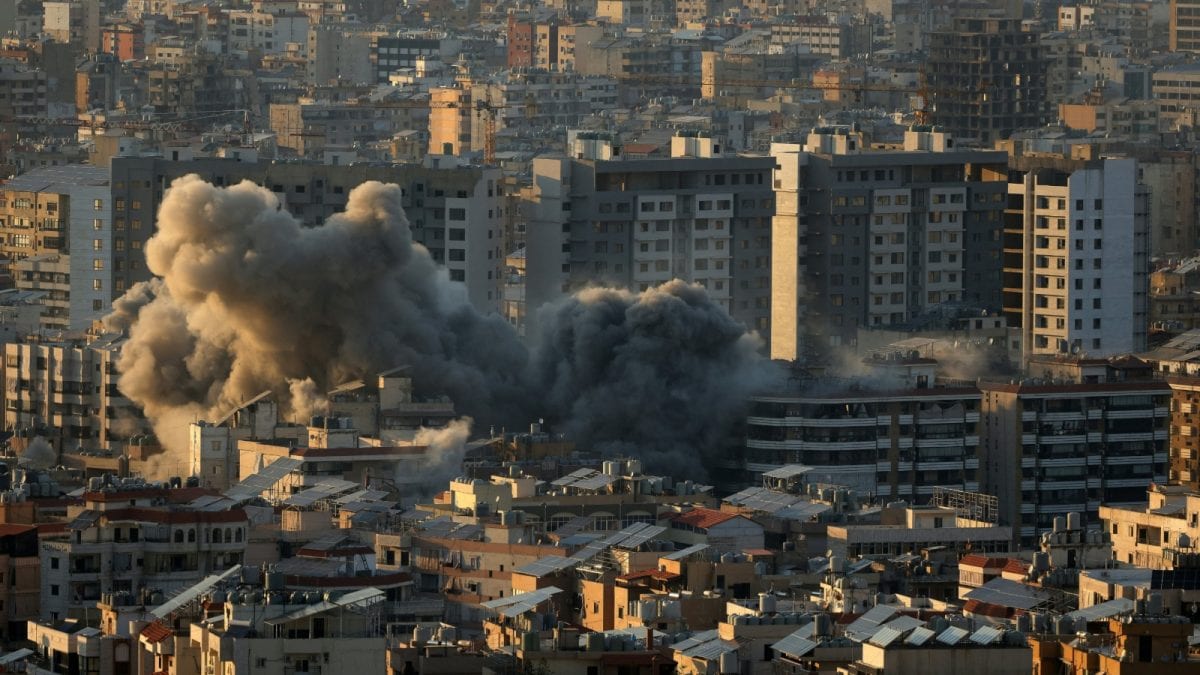
As the West Asia conflict enters its third week, India’s role as the Chair of BRICS has moved to the diplomatic forefront. While the region remains a “kill zone" for commercial shipping and a theatre for escalating strikes, New Delhi is navigating a complex web of internal interests to forge a rare consensus among the expanded 10-member bloc.
Government sources have confirmed to CNN-News18 that India is actively facilitating discussions to establish a common BRICS position, even as some members find themselves on opposing sides of the geopolitical divide.
The Sherpa Channel: Facilitating a Fragile Peace
As the 2026 Chair, India’s primary challenge lies in the fact that several BRICS members—including new entrants like Iran and the UAE—are directly impacted by or involved in the ongoing hostilities. This proximity has historically made a unified statement difficult to achieve.
To bridge this gap, India has been utilising the “Sherpa channel". The most recent virtual meeting of BRICS Sherpas was held on March 12, where Indian officials pushed for a “human-centric" approach to de-escalation. Sources indicate that while differences remain palpable, India’s neutrality and its “Link West" policy have allowed it to act as a trusted mediator between the founding members and the newer, West Asian constituents.
The Iran Telecon: BRICS as a Regional Lever
The diplomatic heat intensified on March 12 during a high-stakes telephonic conversation between India’s External Affairs Minister (EAM) Dr S Jaishankar and his Iranian counterpart, Seyed Abbas Araghchi. During the call, Iran reportedly expressed a strong desire for BRICS to take a definitive, formal position on the conflict.
For Tehran, a BRICS-led diplomatic intervention represents a shift away from Western-centric mediation. For India, however, the priority remains the safety of nearly one crore (10 million) Indian nationals in the Gulf and the stability of energy supply chains. The EAM highlighted that while India will continue to engage with all leaders in the region, any BRICS consensus must respect the “legitimate interests of all parties" to ensure a sustainable settlement.
India’s Balancing Act
New Delhi’s chairmanship comes at a time of “Global Uncertainty," where it must balance its growing strategic partnership with the US against its leadership of the Global South. By keeping the dialogue open through the Sherpa channel and engaging in direct leadership outreach, India is attempting to turn BRICS into a platform for “Resilience and Cooperation" rather than just another arena for polarisation.
First Published:
March 13, 2026, 21:35 IST
News world How India Is Navigating BRICS Differences On West Asia Conflict | Exclusive
Disclaimer: Comments reflect users’ views, not News18’s. Please keep discussions respectful and constructive. Abusive, defamatory, or illegal comments will be removed. News18 may disable any comment at its discretion. By posting, you agree to our Terms of Use and Privacy Policy.
Read More






 English (US) ·