
 1 hour ago
1
1 hour ago
1
ARTICLE AD BOX
Last Updated:April 22, 2026, 08:45 IST
Trump may extend temporary Jones Act shipping waiver to ease US oil transport amid the Iran war, aiming to stabilize fuel prices despite criticism over impacts on US shipping jobs.


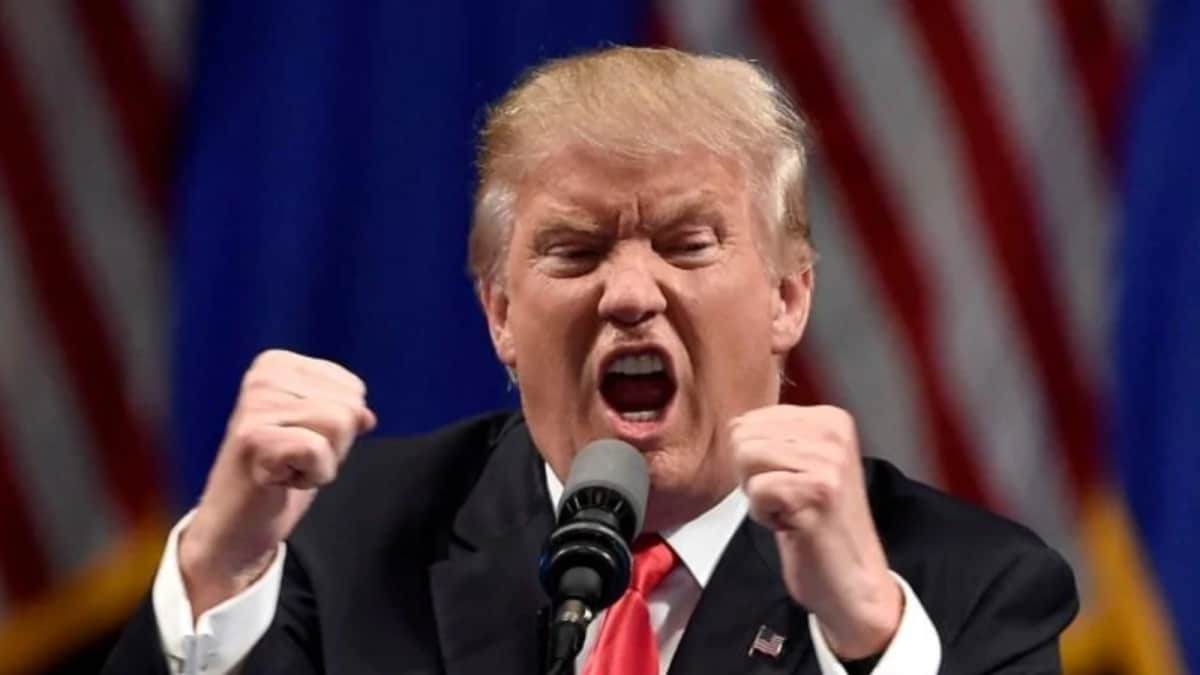
Trump Weighs Extending Oil Shipping Waiver (IMAGE: REUTERS)
US President Donald Trump is now weighing an extension of a temporary shipping waiver aimed at easing oil movement across the United States. The move comes during the ongoing Iran war and disruption around the Strait of Hormuz, where tensions have raised concerns over global energy supplies.
According to a report by Axios, the proposal would continue a relaxation of shipping rules to ensure oil keeps flowing and to prevent further pressure on fuel prices.
What the waiver means?
The waiver allows more flexibility in transporting oil by sea within the US. It temporarily suspends parts of the Jones Act, which requires goods moved between US ports to be carried on American-flagged vessels.
Because such vessels are limited in number, the rule often increases shipping costs. By easing this restriction, the administration has made it easier for foreign-flagged ships to carry oil between domestic ports.
The specific waiver also applied to Russian oil already loaded onto ships, and it has been extended until May 16. Axios quoted officials saying the measure is designed to stabilise the volatile market at a time of rising energy costs.
Impact on oil supply and prices
The effects of the waiver have been visible. Since it was introduced on March 18 for a 60-day period, around 40 tankers have delivered oil between US ports, including routes from California to Texas, Florida, and Alaska.
This has effectively increased the available shipping fleet by 70 per cent. Data shared with Axios shows that about 9 million barrels of oil have already been transported under the waiver.
Officials say this has helped reduce costs and improve supply. In Alaska, for example, jet fuel brought in under the waiver is roughly equal to half the state’s average monthly consumption, highlighting the scale of its impact.
Market-stabilising step
The administration has presented the move as a way to keep energy markets stable. By allowing oil to move more freely, it aims to avoid sudden spikes in fuel prices caused by disruptions linked to the Iran conflict.
At the same time, the decision has drawn criticism. Some argue that easing restrictions could indirectly support Russia’s oil trade, even if the primary goal is domestic supply stability.
Debate over the Jones Act
The waiver has reignited debate around the Jones Act itself. Experts, including libertarian groups, argue that the law is outdated and unnecessarily increases costs.
The Cato Institute has described it as an “archaic" and burdensome law that has survived for nearly a century despite its drawbacks.
On the other side, protectionist voices defend the law. The Hudson Institute has warned that waiving the rule could allow foreign-built and foreign-flagged ships to take work away from American operators. It argues that this could harm tens of thousands of jobs and reduce investment in the US shipping industry.
No final decision yet
Officials say no final call has been made on extending the waiver. However, there are clear signs that the administration views the policy positively.
One adviser familiar with discussions said the president “likes what he sees" and is open to continuing the measure as long as tensions with Iran keep fuel prices high.
White House spokesperson Taylor Rogers said the waiver has already helped ease cost pressures and improve supply flows, noting that more oil has reached US ports faster under the current arrangement.
As uncertainty continues around the Iran conflict and global oil routes, the decision on whether to extend the waiver will be closely watched. For now, the policy remains a key tool for managing supply and controlling fuel costs during a period of instability.
Handpicked stories, in your inbox
A newsletter with the best of our journalism
Location :
United States of America (USA)
First Published:
April 22, 2026, 08:45 IST
News world Trump Likely To Extend Oil Shipping Waiver To Ease Fuel Prices As Iran War Upsets Energy Markets
Disclaimer: Comments reflect users’ views, not News18’s. Please keep discussions respectful and constructive. Abusive, defamatory, or illegal comments will be removed. News18 may disable any comment at its discretion. By posting, you agree to our Terms of Use and Privacy Policy.
Read More





 English (US) ·